REVIEW · SHOW
Da Nang: Da Nang Charming show ticket
Book on GetYourGuide →Operated by TRUONG SA TOURISM TRADE COMPANY LIMITED · Bookable on GetYourGuide
Da Nang Charming Show feels like a shortcut to Central Vietnam’s traditions, mixing live performing arts with historical stops. I like the way the program uses traditional dance and music to explain culture without lecturing you. You’ll also have moments for pictures and shopping time that make the evening feel more real than just sitting in a theater.
What I most liked was the variety in the performance and how each act tells a different story. The Cham dance starts things off with an ancient art form tied to the Cham people, then you move into Ao Dai and Non La elegance, followed by a lotus-themed dance and a Dan Bau solo. Even if you don’t know the background, the flow is easy to follow and visually strong.
One thing to consider: the ticket lists 1 hour, but the program is described as an evening experience that can last a few hours. Plan for a longer evening overall, especially if your schedule includes time around Dong Ba Market and the tomb visits.
In This Review
- Key highlights worth your time
- What the Da Nang Charming Show experience really includes
- Cham Dance, Ao Dai, Non La, and Lotus: the show’s story arc
- Cham Dance: the older thread
- Ao Dai and Non La: Vietnamese grace in motion
- Lotus Dance: symbolism you can see
- Dan Bau Solo: the sound that lingers
- Minh Mang and Khai Dinh Tombs: why history fits this show
- Minh Mang and Khai Dinh: a contrast you can feel
- Photo notes for tomb time
- Dong Ba Market: a practical souvenir stop (with haggling time)
- How to haggle without turning it into a stress test
- Photo tips in the market
- Price and value: is $23 worth it?
- Where the value comes from
- When it might not be the best deal
- Timing, duration, and what to plan for
- What you’ll notice when you sit down: sound, costumes, and pacing
- Language, host, photography, and the small stuff that can make or break it
- Who this Da Nang cultural show fits best
- Should you book the Da Nang Charming Show ticket?
- FAQ
- How long is the Da Nang Charming Show?
- What language will the host or greeter use?
- What does the ticket price include?
- Is transportation included?
- Is there a dress code?
- Can I take photos during the show and activities?
- What is the cancellation policy?
Key highlights worth your time
- Cham dance opening that frames the evening with Central Vietnam identity
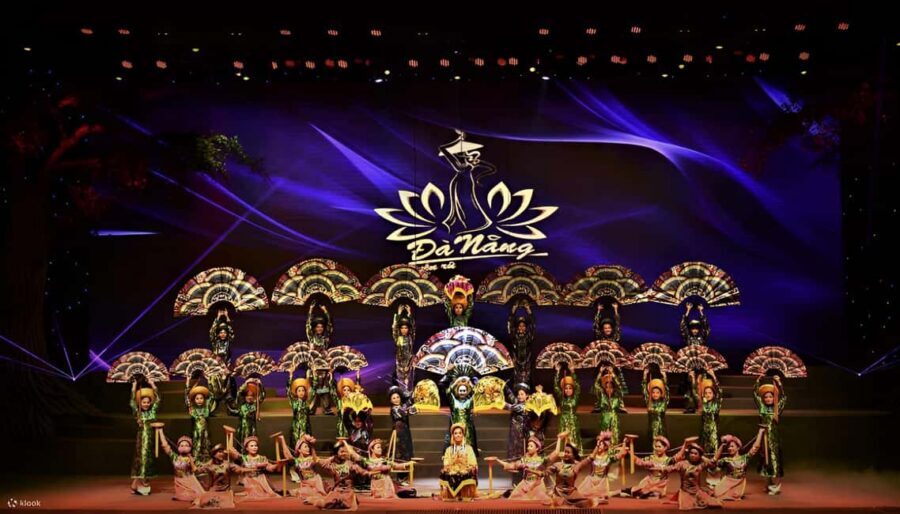
- Ao Dai and Non La costumes showing classic Vietnamese style on stage
- Lotus dance symbolism connected to Vietnam’s national flower
- Dan Bau solo music with a haunting, single-string sound
- Minh Mang and Khai Dinh Tombs that add history to what you see on stage
- Dong Ba Market haggling and photos for a practical souvenir break
What the Da Nang Charming Show experience really includes
This is sold as a cultural program in Da Nang that centers on a live evening performance, produced by Truongsatourist (Truongsatour). The ticket is straightforward: you get an entry ticket, and the rest of the value comes from what the program pairs with the show.
Based on the program highlights, you’re not just watching one performance in isolation. You’re also given time to connect the performance themes to places tied to Vietnam’s past—especially the royal tomb sites (Minh Mang and Khai Dinh). Add in Dong Ba Market time for shopping and photos, and the evening turns into a mix of art, culture, and real-life street energy.
One more practical plus: it’s a private group experience with an English host or greeter, and you can skip the ticket line. That matters in Vietnam, where lines can eat up your best travel hours.
You can also read our reviews of more tours and experiences in Da Nang


Cham Dance, Ao Dai, Non La, and Lotus: the show’s story arc
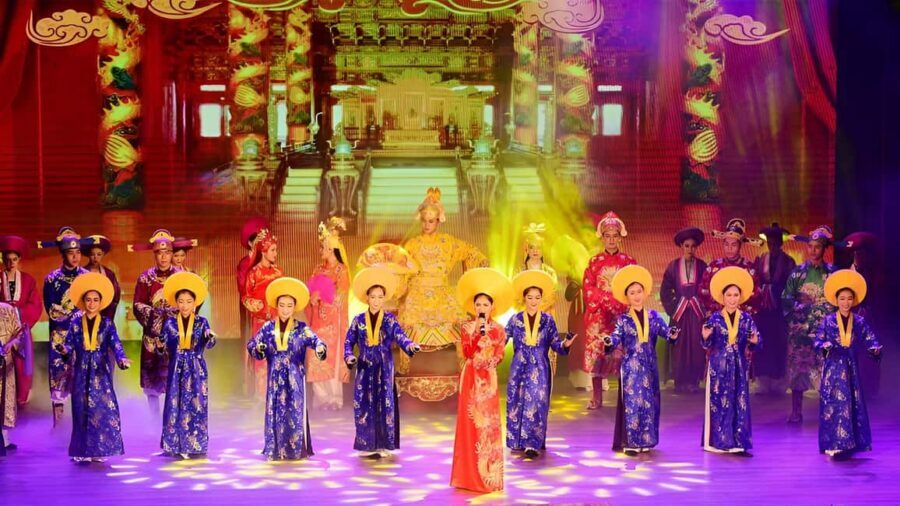
The heart of the evening is the stage program, and it’s built like a sequence of cultural “snapshots.” Here’s what you can expect from the main acts.
Cham Dance: the older thread
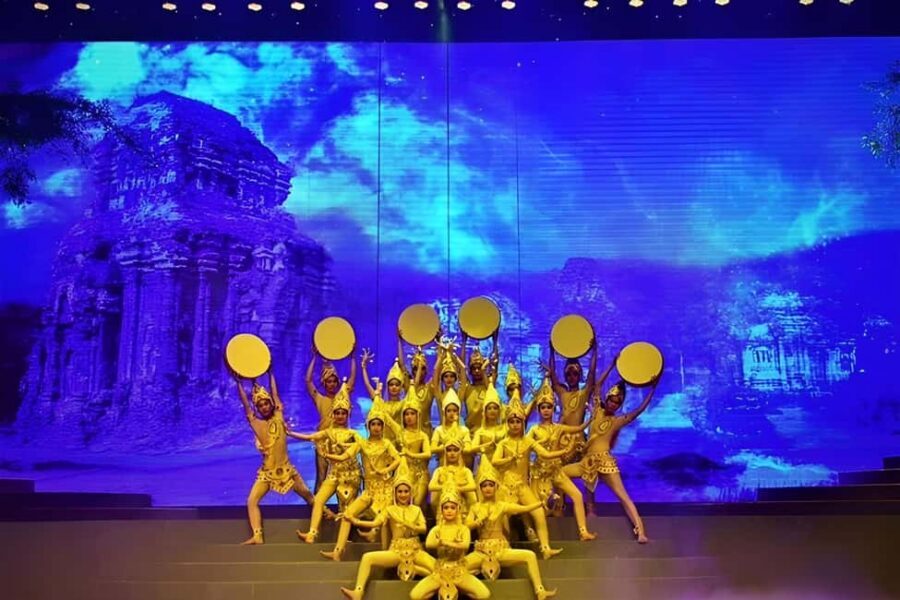
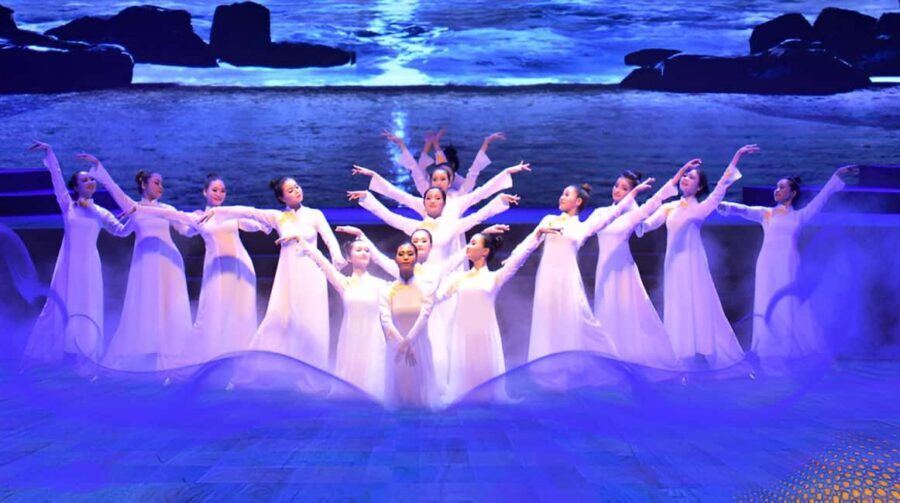
The show starts with Cham dance, described as an ancient art form tied to the Cham people’s cultural identity. The value here is not just the look. Cham performance traditions are older, and the opening helps set a tone: you’re seeing Central Vietnam culture as something with deep roots, not a modern costume parade.
If you’re the type who enjoys watching body language—hands, feet, and posture—this opening is where you’ll feel the craftsmanship. It’s also a good moment to settle in. Even with no background knowledge, you’ll quickly understand that the movements are doing meaning work.
Ao Dai and Non La: Vietnamese grace in motion
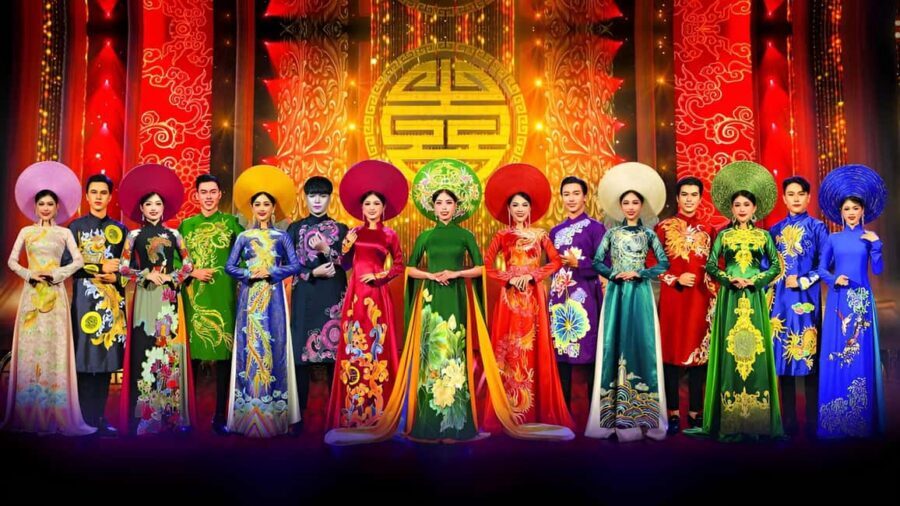
Next come the costumes: the program highlights Ao Dai dresses and Non La conical hats. This act typically works well because it’s easy to read visually. The Ao Dai line and the conical hat shape help the performers stay clear from farther seats, and the visual contrast makes it satisfying even if you’re trying to watch on a moving schedule.
Practical tip: take a couple photos early, then put your camera away for a moment. The show’s later acts have different lighting and angles, and you’ll get better pictures if you give yourself time to look first.
Lotus Dance: symbolism you can see
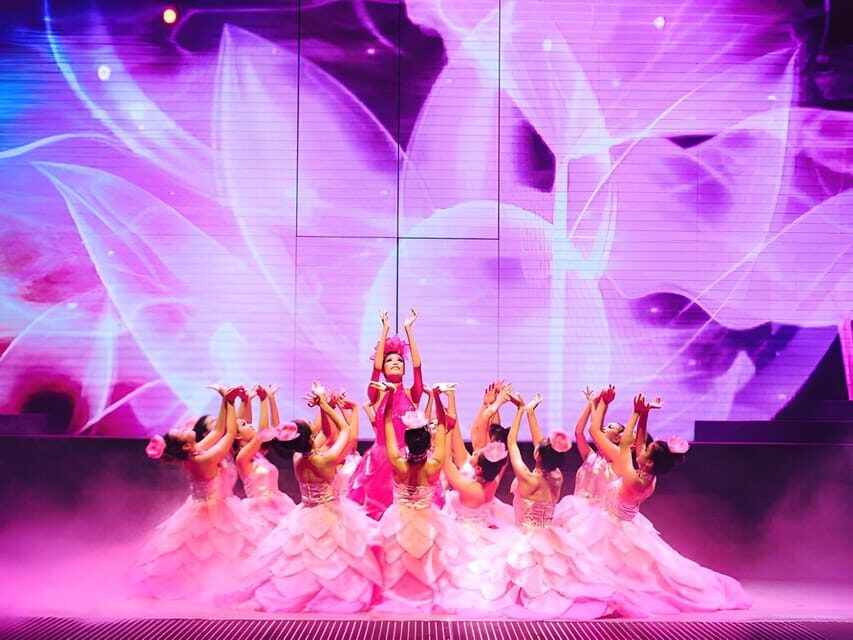
Then the lotus takes center stage. The lotus is Vietnam’s national flower, and the performance uses it as a kind of cultural shorthand for purity and meaning. Even if you don’t know the exact symbolism before you arrive, the way performers frame and move around the lotus theme makes it click.
This act is a good “breather” in the show. It slows down the tempo enough that you can watch details: how performers transition positions, how they use space, and how the choreography keeps its clean shapes.
You can also read our reviews of more tours and experiences in Da Nang




Dan Bau Solo: the sound that lingers
The evening closes the cultural loop with the Dan Bau solo. The Dan Bau is a traditional Vietnamese monochord instrument, and the program calls out the skilled musician behind the haunting melodies.
If you’ve never heard a Dan Bau live, don’t underestimate how much a single instrument can carry. With one main sound source, it feels intimate even in a theater setting. This act often becomes the memory you replay later, because it’s distinct—less like background music, more like a voice.
Minh Mang and Khai Dinh Tombs: why history fits this show
The program also includes time to see the royal tomb sites of Minh Mang and Khai Dinh. Even without a guide “explaining every stone,” these places matter because they make the show feel connected to something real.
Here’s the simple logic: the performance gives you culture through movement and sound. The tomb visits give you culture through architecture and royal-era expression. They answer a question you might not even know you’re asking: where did these artistic ideas live, and how did rulers and dynasties represent power and belief?
Minh Mang and Khai Dinh: a contrast you can feel
The highlights don’t list exact architectural details, but they do name both tombs, and that’s useful. When you see more than one royal site, you often notice differences in style and emphasis—like each tomb has its own “personality.” That contrast helps you understand the historical timeline rather than treating everything as one big blur.
Photo notes for tomb time
Because photography is allowed, you can take pictures when lighting is good. Tomb areas can also involve walking and uneven surfaces, so keep footwear practical. If it’s hot when you go, plan for breaks. Don’t try to squeeze in every corner in one pass.
And if your schedule includes the market before or after, keep in mind you’ll likely be carrying small items. In that case, do the tomb photography first, then shop, so you’re not juggling bags.
Dong Ba Market: a practical souvenir stop (with haggling time)
One of the more useful—and fun—parts of this program is the highlight about Dong Ba Market. The key idea is that you don’t just pass by; you get time for haggling for treasures and capturing pictures in a lively market setting.
Why this is valuable: a theater show can feel “clean” and controlled. A market gives you sensory contrast. You’ll see everyday life, and you can shop while you’re already in a cultural mood.
How to haggle without turning it into a stress test
The program encourages haggling, which is great, but don’t treat it like a contest. A simple approach works well:
- Ask for a price, then offer a counter that feels reasonable to you
- Keep your tone calm and friendly
- Don’t get stuck on one item—use comparison to guide your final choice
If you’re buying small gifts, plan what you’ll actually carry home. Markets can be great for quick gifts, but bag space matters.
Photo tips in the market
Photography is allowed, so take advantage of it. Still, use common sense: avoid blocking sellers and keep your camera movements gentle. Market photo moments are usually more interesting when you capture hands, fabrics, and close details rather than only wide shots.
Price and value: is $23 worth it?
The price listed is $23 per person, and the ticket includes entry. That’s the headline. The value part depends on what you’re already planning for Da Nang.
Where the value comes from
You’re paying for a package that includes:
- Entry ticket for the show
- An English host or greeter
- Private group setup
- Skip-the-line advantage
- A program that connects the performance to cultural sites (Minh Mang and Khai Dinh)
- Time at Dong Ba Market
If you want one evening that covers art plus context, $23 can feel like a bargain. The Dan Bau solo and the sequence of dances aren’t something you can easily replicate on your own at low cost.
When it might not be the best deal
Transportation is not included. If you’ll need taxis or rides anyway, you’ll add that cost. Also, if you’re already committed to seeing Minh Mang and Khai Dinh Tombs and you just want the show, you may compare costs and decide whether this combined format is worth it for your personal plan.
For me, it’s a good “one-stop evening” option when you don’t want to coordinate multiple separate tickets and timing on your own.
Timing, duration, and what to plan for
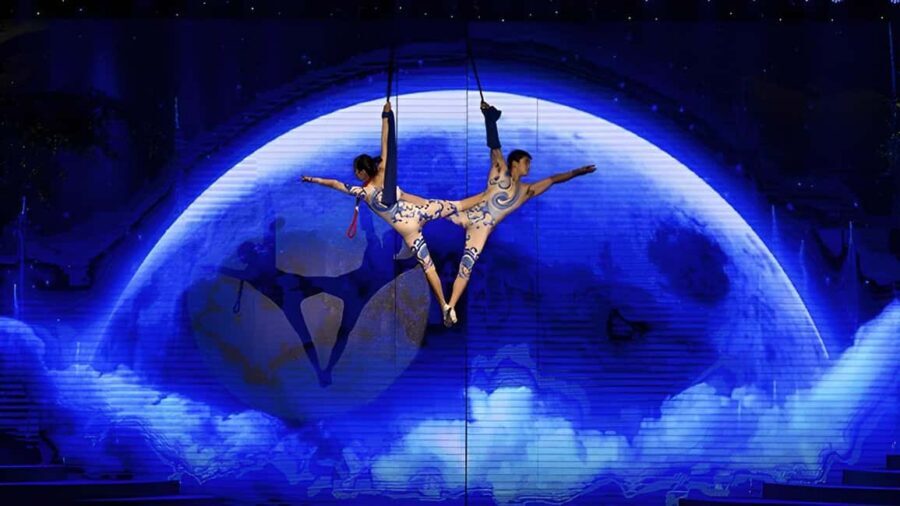
Here’s where you should be practical: the ticket lists duration: 1 hour, but the experience is also described as an evening program that typically lasts for a few hours.
So what should you do with that? Treat it like this:
- Build your day plan as if you’ll be out for several hours
- Don’t schedule a tight last stop right after
- Give yourself a buffer for walking, photos, and market time
Comfort matters too. The dress code is simple: there’s no specific dress code, but comfortable clothing is recommended. I’d also plan for light layers if the evening feels cooler than expected.
What you’ll notice when you sit down: sound, costumes, and pacing
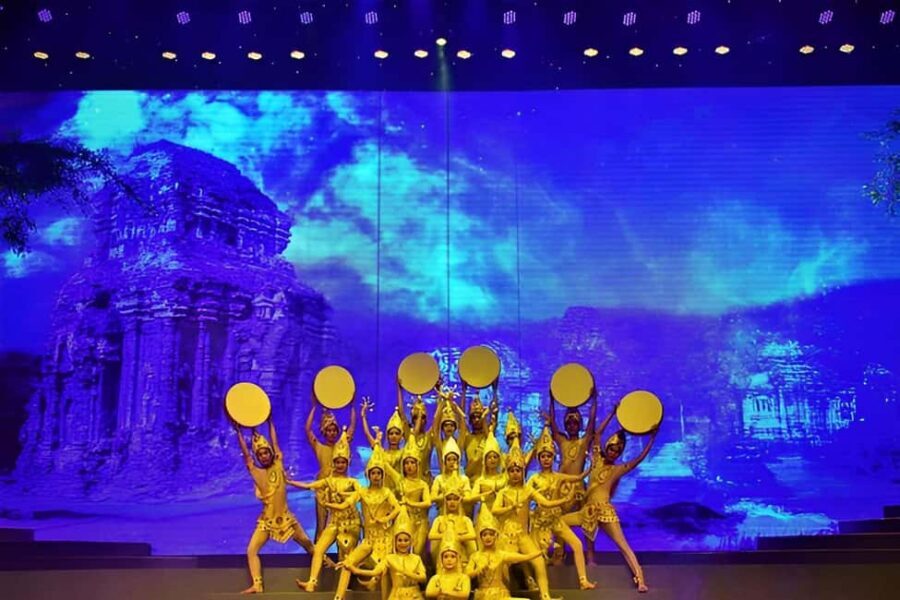
Even though this is a “show ticket,” the content is more than generic entertainment. The acts are linked: Cham identity, Vietnamese traditional dress, lotus symbolism, and then Dan Bau music that ties it all together in sound.
And pacing helps. When the show moves from dance to costumes to symbolism to a solo instrument, your brain gets a reset each time. That keeps it engaging, especially if you’re traveling with different interests.
The reviews highlight that the performance is visually striking and has a high level of difficulty. You can feel that in how controlled the movements are. The costumes are there for beauty, but they also function like tools—helping define shape and motion at stage distance.
Language, host, photography, and the small stuff that can make or break it
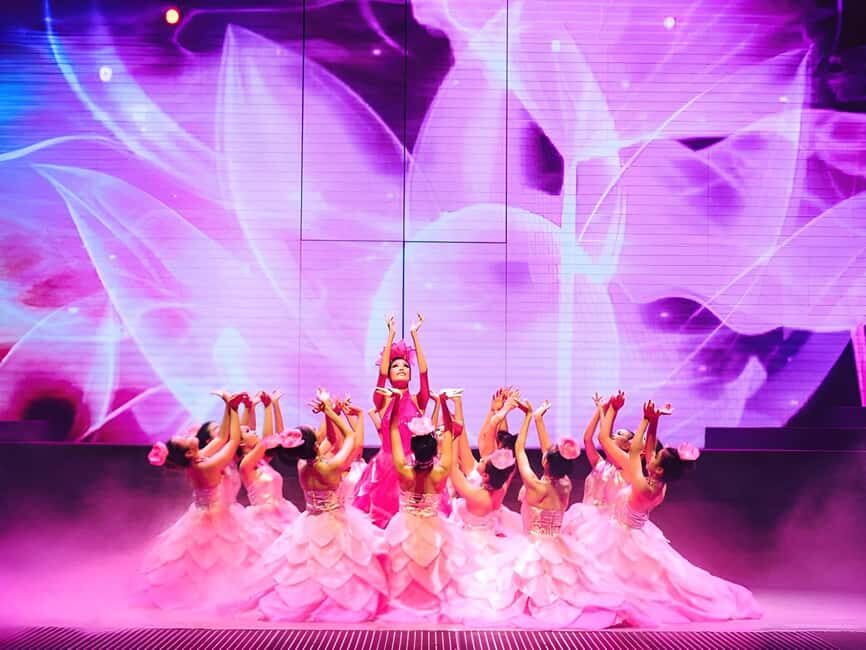
Good cultural shows can be ruined if you don’t understand what’s happening. Here, you’ve got support: there’s an English host or greeter, and the language is listed as English.
Photography is allowed, which is a huge practical win. You won’t feel like you’re stuck choosing between enjoying the show and collecting memories. Just remember: allowed doesn’t mean you have to shoot nonstop. Take a few early shots, then watch the performance in full.
Also, the program is wheelchair accessible, and it’s a private group. That’s not just a “nice-to-have.” It often means the logistics are easier to manage—less crowd pressure, fewer bottlenecks, and a smoother evening.
Who this Da Nang cultural show fits best
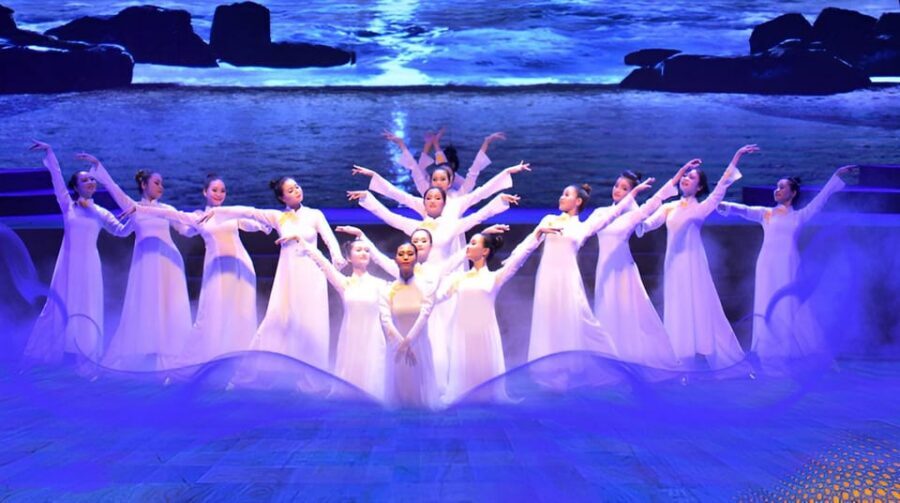
This ticket is a strong match if you:
- Want a single evening that mixes performance with real cultural context
- Like traditional arts, especially dance and traditional instruments
- Prefer a guided experience with an English host or greeter
- Want a market stop without planning it from scratch
It can be less ideal if you’re only interested in one narrow thing. For example, if you only want a theater show and you already have tomb plans covered, you might find you’re paying for more than you need. But if your goal is cultural understanding through multiple formats—show, history, and local shopping—this is built for that.
Should you book the Da Nang Charming Show ticket?
I’d book it if you want an evening with real cultural texture: Cham dance, Ao Dai and Non La costumes, a lotus dance with symbolism, and a Dan Bau solo that leaves a strong impression. Add Minh Mang and Khai Dinh Tomb time and Dong Ba Market for photos and haggling, and you get more than a quick performance.
But book with a realistic timing mindset. Because the ticket lists 1 hour while the overall experience is described as an evening that can run a few hours, plan for extra time so you don’t feel rushed.
If you’re traveling independently and you’re willing to handle your own transportation, the $23 entry ticket plus a guided cultural flow can be excellent value for Da Nang.
FAQ
How long is the Da Nang Charming Show?
The duration listed for the ticket is 1 hour. The program is described as an evening experience that typically lasts for a few hours.
What language will the host or greeter use?
The host or greeter is listed as English.
What does the ticket price include?
The included item is the entry ticket.
Is transportation included?
No. Transportation is not included.
Is there a dress code?
There is no specific dress code listed, but comfortable clothing is recommended.
Can I take photos during the show and activities?
Yes. Photography is allowed.
What is the cancellation policy?
Free cancellation is available up to 24 hours in advance for a full refund.