REVIEW · SHOW
Da Nang Charming Show Viet Nam
Book on GetYourGuide →Operated by Sanna Tour · Bookable on GetYourGuide
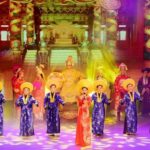
The lights go down, then Vietnam turns loud. This is the Charming Danang Show in Da Nang, a one-hour cultural performance built around big stages, bright costumes, and live traditional music. I like how it introduces you to Vietnamese artistry up close, and I also like the way the show’s four sections connect different cultural moods in one sitting.
The main thing to watch is timing: you must arrive early, and if you’re late you may not be allowed to watch. Also, the show is listed as 1 hour, so don’t assume it will run longer than that.
In This Review
- Key things that make this show worth your evening
- Charming Danang Show: a fast, colorful hit of Vietnamese culture
- What the one-hour pacing means for you
- The four parts: Champa to Spring, without losing the thread
- 1) Mysterious Champa
- 2) Ao Dai Show
- 3) Lotus Dance
- 4) Spring Dance Festival
- The real value: you’re watching live traditional music at scale
- Meeting Vietnamese artists: what that actually feels like
- Price and value: is $21 a fair deal?
- Tickets, timing, and the venue reality check
- What to bring (and what not to bring)
- Language support: Vietnamese and English
- Who this show suits best (and who might not love it)
- My booking advice: do this before you buy
- Should you book the Da Nang Charming Show?
Key things that make this show worth your evening
- Four cultural segments in one hour: Mysterious Champa, Ao Dai Show, Lotus Dance, and Spring Dance Festival
- Big, staged performances that rely on costume color and live traditional music
- Meet Vietnamese artists during a professionally run cultural show night
- Reserved-seating style energy where the pacing matters, so being on time counts
- Clear rules (no food/drinks, no alcohol) that keep the audience focused on the performance
Charming Danang Show: a fast, colorful hit of Vietnamese culture
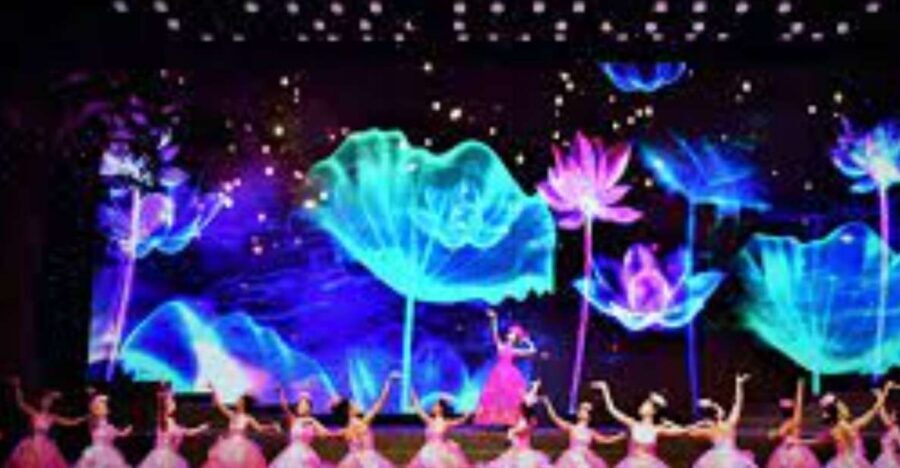
If you want Vietnamese culture without adding a whole day of planning, this show is built for you. It’s short. It’s loud in the fun way. And it’s organized around performance blocks that feel like chapters, not random acts.
The headline is simple: you’re watching a large-scale art performance powered by authentic Vietnamese music, with performers in eye-catching costumes. For many people, that combination is the sweet spot—less “reading labels,” more “feeling the rhythm.”
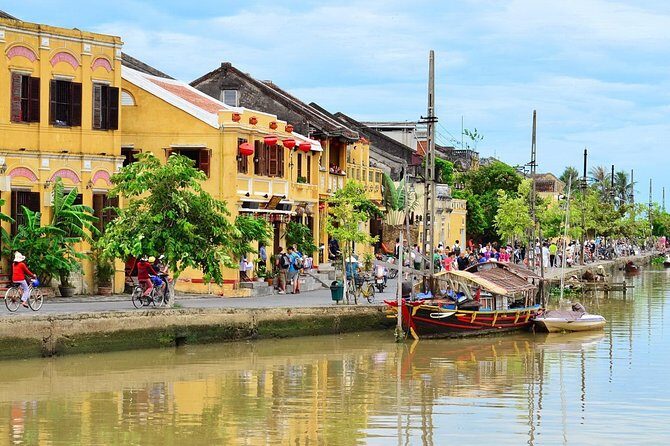
And there’s another practical benefit. In central Vietnam, Da Nang and nearby Hội An can keep you busy with sights, food, and beaches. A one-hour cultural show is an easy add-on when you want something meaningful that still fits into your schedule.
You can also read our reviews of more tours and experiences in Da Nang


What the one-hour pacing means for you
This isn’t a long, slow cultural lecture. It’s a performance night, structured into four parts. That structure matters because it keeps your attention. You won’t feel like you’re waiting through long gaps.
The timing also changes how you should approach the experience:
- You’ll want to arrive ready to watch right away.
- You should plan your evening around it, not around “maybe it starts late.”
Also, one important note for your planning brain: the show duration is listed as 1 hour. If you see different timing during booking or on your ticket details, double-check before you pay. One past booking experience flagged a mismatch between what was sold and what was actually scheduled, and that’s exactly the kind of problem you want to avoid.
The four parts: Champa to Spring, without losing the thread
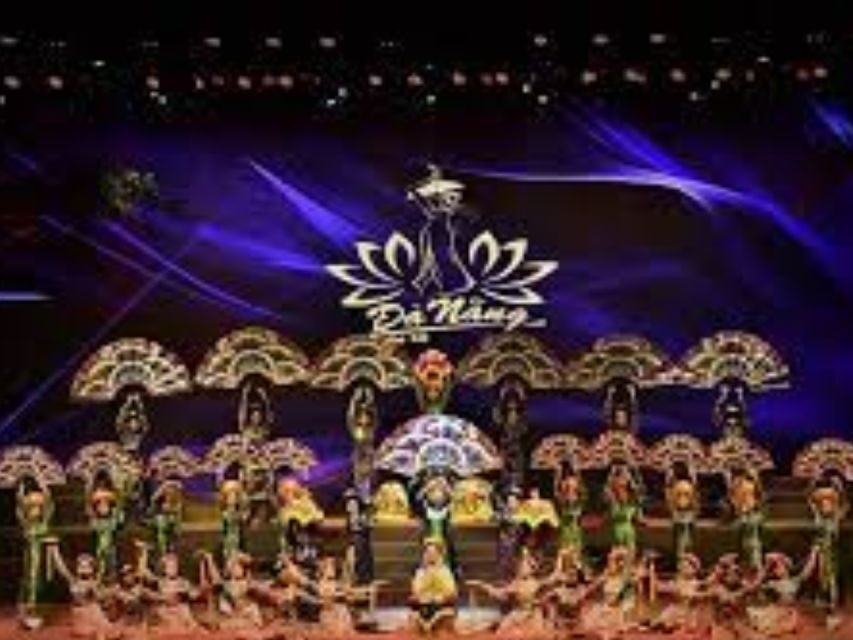
Think of the program as four cultural sections, each with its own style and visual focus. Here’s what you can expect in the show’s order and why it works.
1) Mysterious Champa
This opening segment sets the cultural tone. The show uses movement, music, and costuming to highlight Champa-inspired themes. Even if you don’t know the history, the performance language is clear: it’s meant to feel atmospheric at first—like you’re stepping into a different mood.
Why you’ll likely enjoy it: openings set expectations fast. You get a sense of the show’s energy early, and then it keeps building.
2) Ao Dai Show
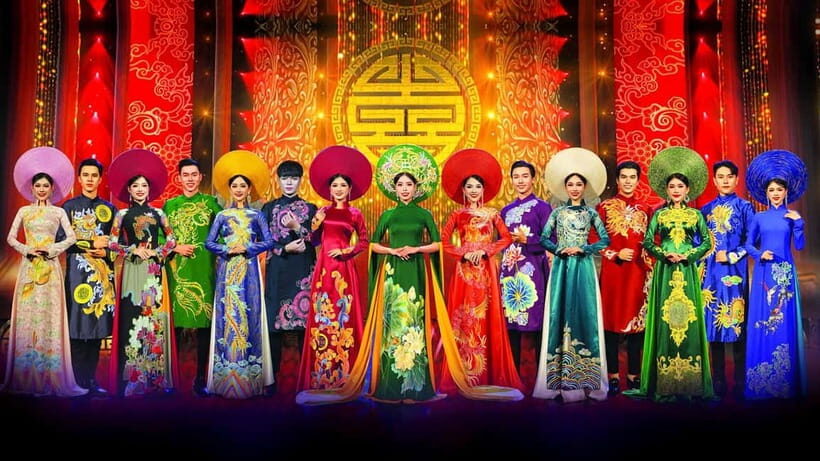
Next comes the Ao Dai Show, centered on Vietnam’s iconic áo dài style. This part tends to be visually satisfying because the costumes do so much of the storytelling.
Why it matters: áo dài isn’t just clothing here. It’s presented as part of a performance identity—movement, color, and presentation working together. If you’ve seen áo dài in photos and wanted the “real-life effect,” this is the kind of setting where it can feel more alive.





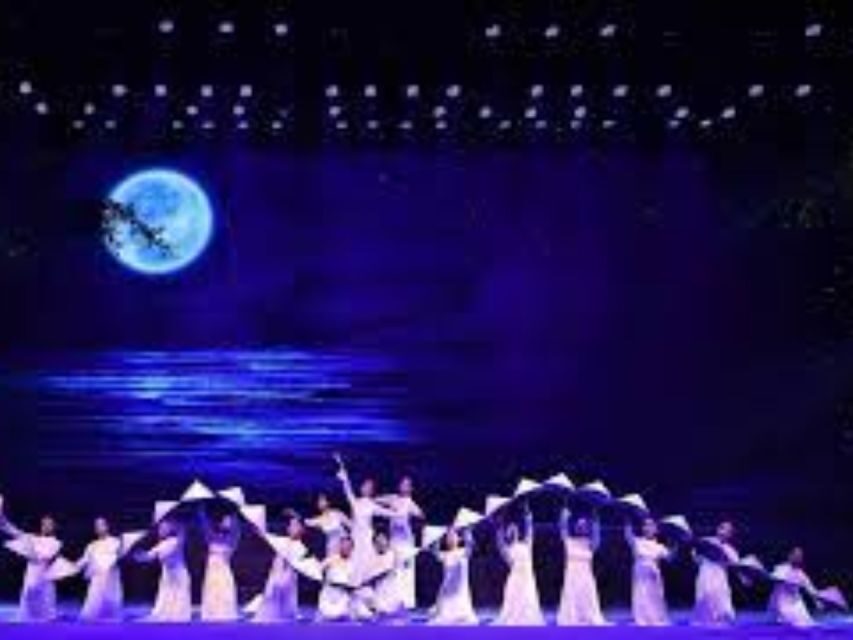
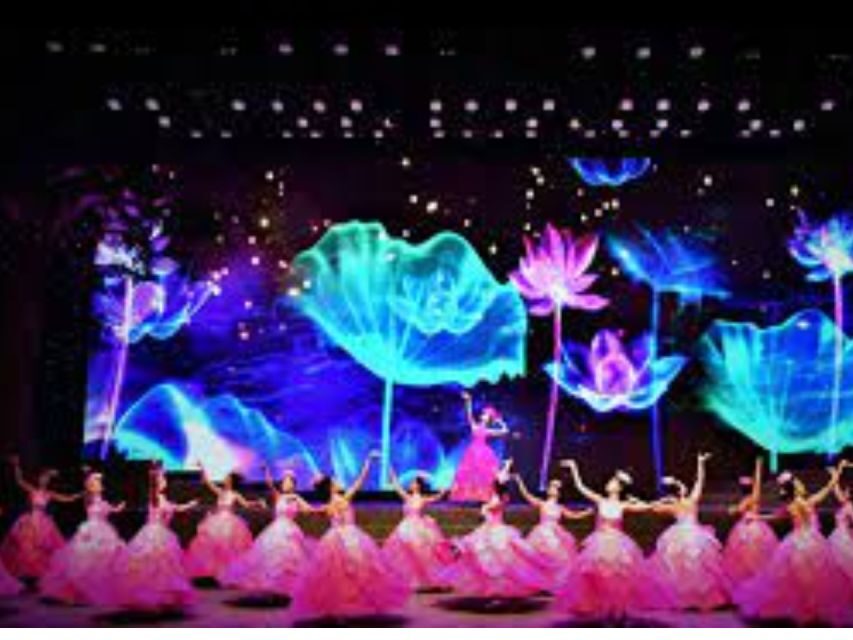
3) Lotus Dance
Then you shift into the Lotus Dance. Lotus-themed performance styles often use graceful arm and body positions, with a focus on controlled motion. You’re watching precision, timing, and the way dancers use space on a big stage.
If you’re the type who appreciates how choreography communicates without words, this segment is your payoff.
4) Spring Dance Festival
The final part turns toward celebration. The Spring Dance Festival segment is designed to close on a high note, with music and movement that feel like a season-changing party.
Why the ending works: after three cultural flavors, you get a brighter, more festival-style finish. It’s the right kind of “wrap-up energy” for a short show.
The real value: you’re watching live traditional music at scale
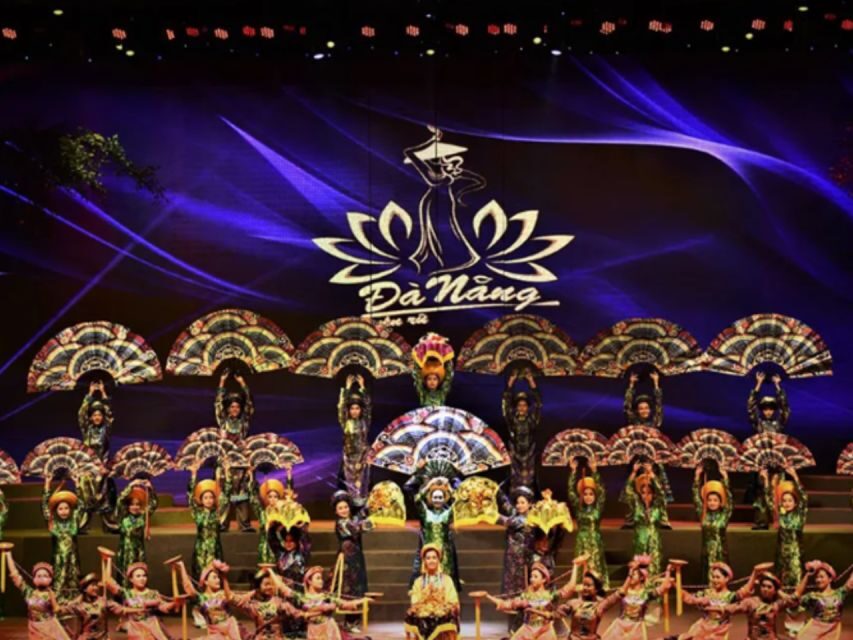
A lot of cultural performances promise authenticity. This one leans into it with traditional music and large-scale staging. That matters because a live ensemble can make the experience feel bigger than the sum of its costumes.
Also, the performers aren’t hidden behind a museum barrier. You’re watching National Vietnamese artists in a performance context, which is different from static displays. It’s a night of seeing Vietnamese culture in motion.
I like that the show is structured so the music isn’t a background detail. It drives the pacing and the vibe across all four parts.
Meeting Vietnamese artists: what that actually feels like
The experience includes the chance to meet Vietnamese artists. That sounds vague in a brochure, but here’s the practical meaning: you should expect some sort of artist interaction tied to the event flow.
How to make the most of it:
- Have your questions ready in your head (short ones work best).
- If you don’t speak Vietnamese, lean on the English support available through the instructor.
The show’s format also makes it easier to feel connected to the culture. Instead of only watching from a distance, you get a direct human link to the people performing.
Price and value: is $21 a fair deal?
At about $21 per person for a one-hour show, you’re paying for three things:
1) A professionally staged performance
2) Live traditional music and costume-heavy choreography
3) A short evening activity that doesn’t require a full-day commitment
That price point tends to feel reasonable for a cultural show in central Vietnam, especially because you’re not adding transport time like you would with a multi-hour tour. In other words, you’re buying time efficiency plus spectacle.
Still, value depends on your expectations. If you expect a two-hour grand tour experience, you may feel shortchanged. The show is listed at 1 hour, so plan your night around that.
Tickets, timing, and the venue reality check
You should treat arrival timing like it’s part of the show.
Key rules from the info you have:
- You must arrive earlier than the starting time.
- You must arrive 30 minutes before the activity.
- If you arrive late, you may not be allowed to watch.
This isn’t just “nice to know.” In a short one-hour performance, late arrivals lose too much of the show. So build buffer time into your evening—especially if you’re navigating Da Nang traffic or figuring out your exact meeting spot.
Another small but important detail: hotel pickup and drop-off are not included. So you’ll need to get yourself to the meeting point on your own.
What to bring (and what not to bring)
This show asks for one key document: bring your passport.
And there are clear restrictions:
- No food or drinks
- No alcohol or drugs
- No littering
- No explosive substances
- No nudity
Why these rules help: they keep the focus on performance. Also, they reduce distractions during a tightly timed event.
If you’re used to eating on the go while traveling, plan to eat before you go. Then show up ready to watch.
Language support: Vietnamese and English
An instructor is listed as Vietnamese and English. That’s practical if you want quick help with directions, show flow questions, or general understanding.
Don’t expect a full guided lecture during the performance, but you can use the language support to get oriented. Ask what you can before the show starts so you’re not scrambling once the music begins.
Who this show suits best (and who might not love it)
This experience is a strong match if you:
- Want a short, meaningful cultural night in Da Nang
- Prefer live performance over museum-style browsing
- Like dance and costume visuals tied to traditional music
- Are traveling with limited time and don’t want a half-day commitment
It may not be the best fit if you:
- Need a longer event format (the show is listed as 1 hour)
- Have trouble managing rules like arriving early and leaving phone/snacks behind
- Are traveling with very young children: it’s not suitable for children under 3
My booking advice: do this before you buy
To avoid the only real “watch-out” that shows up in the booking history, I’d do a quick checklist before you commit:
- Confirm the show duration on your ticket details matches 1 hour
- Confirm the start time and plan to arrive 30 minutes early
- Double-check what’s included so you’re not surprised about no hotel pickup
Then set your expectations correctly: this is a performance event, not an all-day culture tour. If you like shows that move fast and hit hard with music and color, you’re in the right zone.
Should you book the Da Nang Charming Show?
Book it if you want a one-hour cultural fix with live traditional music, four distinct performance segments, and a bright costume-first approach. The price feels like solid value when you treat it as a short evening plan, not a half-day excursion.
Skip—or at least rethink—if your main goal is a long guided experience, or if you’re the type who struggles with strict arrival times. This show rewards people who show up ready to watch.
If you’re balancing Da Nang and Hội An in your itinerary, this can be an efficient way to add Vietnamese culture to your day without turning your schedule into a puzzle.