REVIEW · WILDLIFE WATCHING
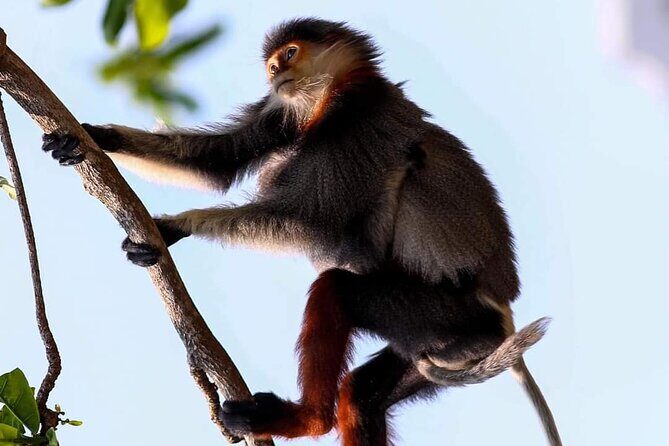
Endangered Monkeys Watching – Red Shanked Douc Langurs
Book on Viator →Operated by Da Nang Scooter Adventures · Bookable on Viator
Red-shanked douc langurs are tough to find, so a local guide matters. This small-group Son Tra experience puts you on the right trails to watch endangered douc langurs in their natural habitat, with binoculars and plenty of chances to see families moving through the trees. I love that the guides don’t just point; they teach you what you’re looking at and why it matters for conservation.
What I like most is the way the tour turns spotting into learning. You’ll use binoculars and a zoom camera mindset to pick up real behavior cues, and your local host guides you through things like telling male vs. female traits and figuring out age stages in the group.
One drawback to plan for: you’re in the forest and on mountain roads, so monkey sightings depend on timing and weather. The activity runs best with good conditions, and you should be ready for some walking and stopping on uneven terrain, too.
In This Review
- Key highlights at a glance
- Endangered Douc Langurs on Son Tra: what makes this Da Nang tour work
- Meet at Esco Beach, then ride into Son Tra by scooter
- Trail time: binocular watching, forest creatures, and real-time research
- What you’ll learn about douc langurs: sexes, age, and family dynamics
- Photo-friendly stops: Monkey Mountain views and secret beach breaks
- Guides make the difference: Cillian, Bin/Binh, Bao, Thanh, Brandon, and more
- Price and value: is $57.38 fair for a 2.5–3 hour douc langur outing?
- When the tour costs extra: holidays and weather considerations
- Who should book this douc langur experience (and who should skip)
- Practical tips: what to bring and how to make monkey spotting easier
- Should you book Endangered Monkeys Watching for Da Nang?
- FAQ
- How long is the Endangered Monkeys Watching tour in Da Nang?
- Where does the tour start?
- Is hotel pickup available?
- What’s included in the price?
- Do I need to bring binoculars?
- How many people are in a group?
- Are there age or weight limits?
- Is there an extra cost for holidays?
- What kind of tickets will I receive?
- What if the weather is bad?
- Can I cancel and get a full refund?
Key highlights at a glance
- Max 6 travelers keeps the forest watching calm and focused
- Binoculars included, and your guides actively help you spot elusive langurs
- Local conservation angle through real-time research data collection
- Motorbike ride with scenic breaks around Son Tra and Monkey Mountain views
- Family-focused wildlife viewing including babies, adults, and alpha-male behavior cues
- Photogenic moments with guide help for better framing and sometimes shared photos
Endangered Douc Langurs on Son Tra: what makes this Da Nang tour work
If you only have one wildlife outing in Da Nang, this is the kind you’ll remember. The star is the red-shanked douc langur, an endangered monkey that lives high in the Son Tra Peninsula forest. You’re not hunting with a loud crowd. You’re watching like a field observer—quiet, patient, and guided.
The big value here is the guide’s role. Douc langurs can be timid and hard to spot at first glance. Without local eyes, you might miss them entirely. With a trained host, you get a better chance of seeing multiple langur groups during the same outing, plus learning how to identify what you’re seeing while you’re watching.
You can also read our reviews of more tours and experiences in Da Nang.
Meet at Esco Beach, then ride into Son Tra by scooter
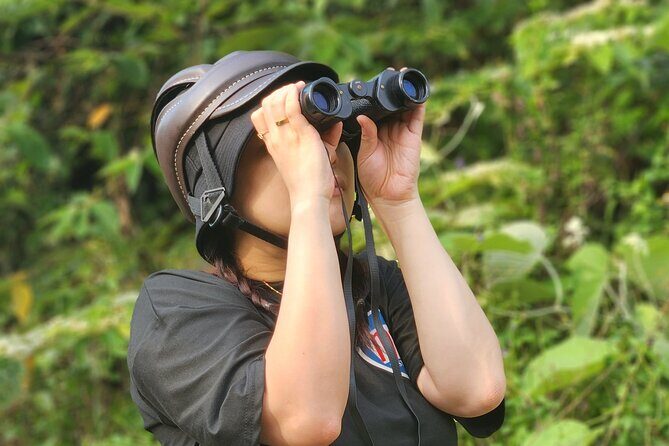
The tour starts at Esco Beach, Bar Lounge & Restaurant on Lô 12 Võ Nguyên Giáp, An Hải, Sơn Trà, Đà Nẵng. Some departures also include pickup, so you can often start from your hotel area rather than hauling yourself to the beach meeting point.
Then the day shifts from city to forest via a mountain-road ride. Many people expect a car; this experience often runs by motorbike/scooter, and that’s part of the charm. You’ll get sweeping coastal-and-mountain views as you head into Son Tra’s quieter roads, and it’s a nice way to cover ground without wasting hours in traffic.
A practical note: the operator asks for light travel because there’s no luggage room. Bring only what you need for the monkey watch—binoculars if you have them (they provide some too), a phone/camera, and a small layer in case the weather turns.
Trail time: binocular watching, forest creatures, and real-time research
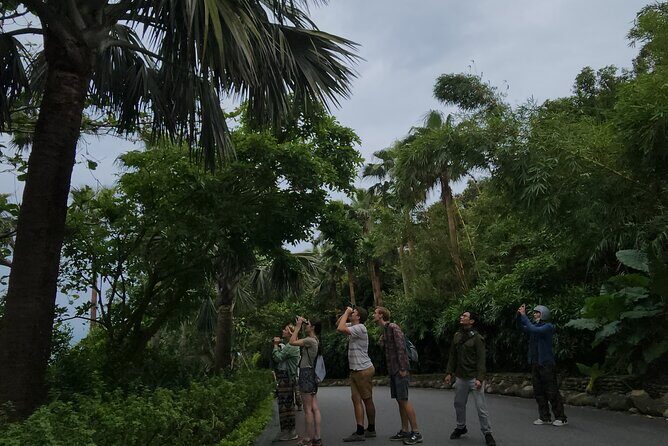
Once you’re on the trail, the experience becomes more than a sightseeing stop. You’ll use binoculars and camera zoom to track movement in treetops—exactly how you’d do it if you were trying to observe wildlife without disturbing it. The tour is built around the idea that you’ll learn how to look, not just where to stand.
Your local host also builds in a conservation and research element. The guide may involve you in real-time research—helping collect data about the monkeys you encounter. Even if you’re not a scientist, you’re participating in a process that helps local conservation understand how these primates are using the habitat.
And it’s not only about monkeys. You may see a supporting cast—birds, colorful butterflies, plants, and sometimes mongoose. That matters because it keeps the forest experience lively even when the langurs take their time appearing.
What you’ll learn about douc langurs: sexes, age, and family dynamics
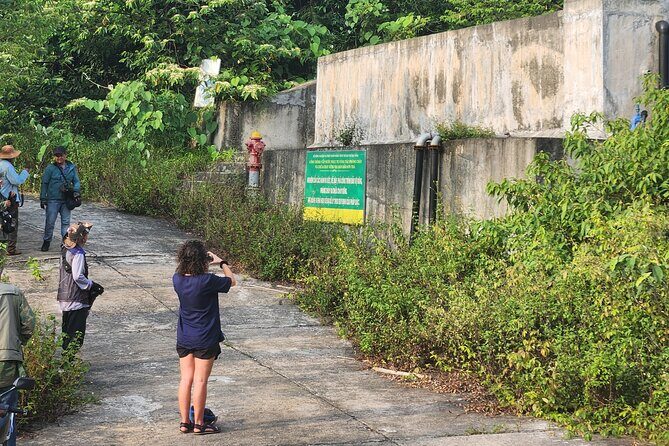
The red-shanked douc langur is famous for its look, but watching behavior is where the tour becomes special. You’ll learn how to tell a female vs. male and how to judge age stages. That turns quick glimpses into something you can actually interpret, instead of just a fleeting animal sighting.
You’ll also learn to watch for the group behaviors that show up during different times of year. The tour description calls out breeding-season activity from March to July—when you’re more likely to notice playful off-spring and more obvious interactions in the troop. Even outside that window, you can still see adults, an alpha male, and the everyday rhythm of a forest family moving and calling.
A detail I think you’ll appreciate: the guides don’t just tell you what to look for; they connect it to what you’re seeing in front of you. That’s why you’re more likely to get multiple encounters during one outing—your eyes get trained by the time you reach the next observation spot.
Photo-friendly stops: Monkey Mountain views and secret beach breaks
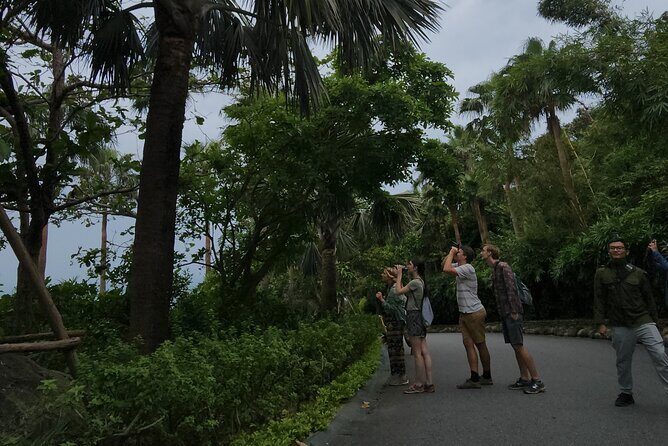
The day includes more than one kind of viewpoint. You’ll likely spend time around places people describe as Monkey Mountain and the chance to see a quieter stretch of coast—often referred to as a secret beach. These stops give you breathing room between langur sightings and help you understand the scale of the area the monkeys live in.
From a photographer’s perspective, this matters. Douc langurs often move high in the canopy. If you’ve got a moment to reset your settings, stabilize your phone/camera, and review what the guide said about tracking movement, you’ll get better results when the next group appears.
If you book an evening option, you might also catch sunset over the bay area, depending on timing and weather. That adds a different mood to the wildlife watching—less heat, softer light, and a calmer soundscape.



Guides make the difference: Cillian, Bin/Binh, Bao, Thanh, Brandon, and more

In a good wildlife tour, the guide is your field instrument. Here, the guides are a core part of the value—people like Cillian and Bin/Binh show up repeatedly, and other names you may meet include Bao, Thanh, Brandon, Alan, Huy, and Henry. Different names, same idea: they know where the monkeys tend to show and how to read the day.
What stands out in the way they guide is safety and pacing. Many people find motorbike rides intimidating at first. The guides aim for smooth, careful driving, and they help nervous riders feel more comfortable. That’s not a small thing—because if you’re tense, you miss details.
They’re also photo-minded. Some guides help with framing, taking photos at different locations, and using professional-style lenses for closeups when conditions allow. You might even receive photos after the day, which is a nice bonus when you’re busy watching with binoculars.
Price and value: is $57.38 fair for a 2.5–3 hour douc langur outing?
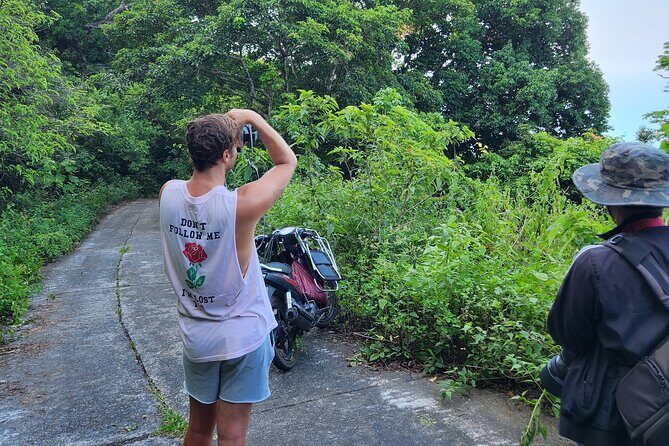
At $57.38 per person, this is priced like a focused half-day wildlife adventure—not like a long-day private tour. For that cost, you typically get:
- Local hosts on the Son Tra trails
- Binoculars included (bring your own if you want, but you won’t be stuck without)
- Bottled water
- A small group size (maximum 6 travelers)
- Scenic motorbike transportation on twisting mountain roads
- Conservation-minded activities like data collection
The real “value math” comes down to likelihood. Douc langur watching is unpredictable, and you can’t force wildlife to appear. What you can do is stack the odds with local spotting skills. That’s what you’re paying for: time on the right trails with people who know how to spot and interpret behavior.
If you were to do this independently, you’d spend money on transport, struggle to know where to look, and probably miss the identification clues that make the whole experience meaningful. Here, you get the guide-led learning and the spotting support bundled in.
When the tour costs extra: holidays and weather considerations
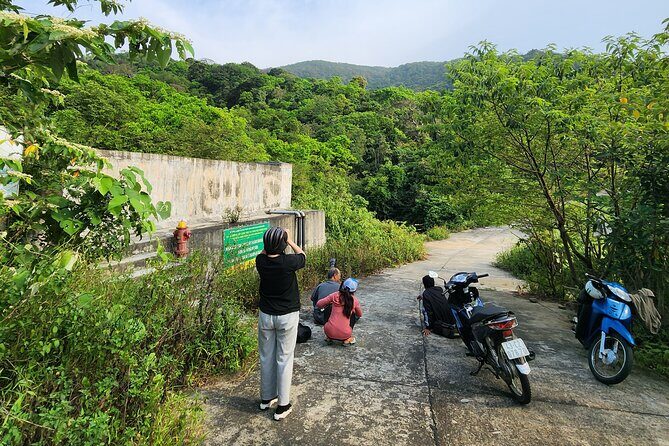
Two things can affect your planning.
First is the holiday surcharge: there’s an extra $10 on National Holidays—specifically 1 Jan and 16–20 Feb 2026. If your trip overlaps those dates, that surcharge may be added.
Second is the weather. The tour requires good weather. If it’s canceled due to poor weather, you’re offered a different date or a full refund. In other words, don’t schedule this as the last-minute plan of your trip without flexibility.
Who should book this douc langur experience (and who should skip)
This is ideal for you if you:
- Want a wildlife outing that feels calm and respectful, not a theme-park hunt
- Like learning—sex/age clues and behavior cues make the sightings more satisfying
- Enjoy views and a scenic ride, not just a short stop-and-go drive
- Want a small group and the chance to observe longer when animals appear
It’s not a great fit if you:
- Have trouble with motorbike riding. The tour runs by scooter/motorbike, and while guides aim for safe rides, you’re still on a motorbike.
- Are traveling with young kids. It’s not recommended for guests under 4.
- Have heavier weight considerations. It’s not recommended for guests over 100kg.
- Expect lots of luggage space. The tour says to travel light because there’s no room for luggage.
Also, keep expectations realistic: wildlife watching can’t be guaranteed. What you can expect is effort, good guiding, and multiple opportunities.
Practical tips: what to bring and how to make monkey spotting easier
Here’s how to set yourself up for the best experience in Son Tra:
- Pack light. There’s no luggage space, so keep your items small and easy to hold.
- Bring sunscreen and a hat if you burn easily. The day can include long outdoor minutes while you wait and watch.
- Wear comfortable shoes for short trail sections and uneven ground. Even if the tour doesn’t turn into a hike, you’ll still be stepping on forest paths.
- Use the binoculars right. If you’re not used to them, pause on a stable stance and scan slowly. The guide can show you how they track movement.
- Keep your camera ready. Douc langurs move quickly between canopy areas. Having your camera accessible helps.
- Plan for changing weather. The tour can involve rain; your best bet is a small layer and be ready for damp conditions if needed.
Should you book Endangered Monkeys Watching for Da Nang?
I’d book this if you want an experience that’s both scenic and meaningful, where the guide actually helps you understand endangered wildlife—not just where to look. The small group size, included binoculars, and the real-time research component make it feel like more than a quick stop.
I’d think twice if you hate motorbike travel, have mobility limits that make forest paths hard, or you need a perfectly predictable schedule. Wildlife doesn’t follow timetables. But with local hosts, multiple observation chances, and the chance to learn behavior cues, you’re choosing a tour designed for better odds.
If you’re flexible with weather and comfortable on a scooter, this is a strong choice for your Da Nang itinerary—especially if you care about seeing red-shanked douc langurs in their habitat.
FAQ
How long is the Endangered Monkeys Watching tour in Da Nang?
It runs for about 2 hours 30 minutes (approximately). Some descriptions also frame it as roughly a 3-hour adventure depending on the route and conditions.
Where does the tour start?
The meeting point is at Esco Beach, Bar Lounge & Restaurant, Lô 12 Võ Nguyên Giáp, An Hải, Sơn Trà, Đà Nẵng 550000, Vietnam.
Is hotel pickup available?
Pickup is offered. You can also start from the listed meeting point at Esco Beach.
What’s included in the price?
The tour includes bottled water and binoculars. You are welcome to bring your own camera gear.
Do I need to bring binoculars?
No. Binoculars are provided. If you have your own, bring them, but you won’t be left without.
How many people are in a group?
The experience has a maximum of 6 travelers, which keeps things quieter and more focused.
Are there age or weight limits?
It’s not recommended for guests under 4. It’s also not recommended for guests who weigh over 100kg.
Is there an extra cost for holidays?
Yes. There’s an extra charge of $10 on National Holidays on 1 Jan and 16–20 Feb 2026.
What kind of tickets will I receive?
You’ll get a mobile ticket.
What if the weather is bad?
This activity requires good weather. If it’s canceled due to poor weather, you’ll be offered a different date or a full refund.
Can I cancel and get a full refund?
Yes. Free cancellation is available up to 24 hours in advance for a full refund.
If you want, tell me what dates and whether you’re doing the morning or afternoon/evening slot, and I’ll suggest how to plan your day around the best light and the best odds for sightings.