REVIEW · CITY TOURS
From Da Nang: Hue City Full-Day Tour with Lunch (Group tour)
Book on GetYourGuide →Operated by La Ban Tour · Bookable on GetYourGuide
Hue changes pace the moment you arrive.
I loved the way this day trip ties together the Nguyen Dynasty power center with real-world craft stops on the road. You also get a strong three-part hit of Hue’s best-known sights: Thien Mu Pagoda, the Imperial Citadel, and the 12th emperor’s Khai Dinh Tomb. One thing to consider: the trip includes a long bus day and a couple of extended stops where buying is strongly encouraged, so plan to treat those more like quick breaks than part of your sightseeing day.
The tour’s best value is the “made-easy” setup: hotel pickup and drop-off from Da Nang, an experienced English-speaking guide (mine went by Quick), entrance fees for the main sites, a set-menu lunch in Hue, and bottled water. The trade-off is comfort. If you’re sensitive to bumpy roads, expect the bus ride to feel long, and I’d strongly suggest using the restroom before boarding when you can.
In This Review
- Key things I’d watch for on this Hue day tour
- From Da Nang to Hue: Hai Van Tunnel and the road stops
- Thien Mu Pagoda at 11:00: Hue’s iconic start point
- Lunch in Hue at noon: simple set menu, real recovery time
- Imperial Citadel of Hue: Ngo Mon Gate to the Nine Tripod Cauldrons
- Khai Dinh Tomb at 3:00: the architectural surprise finish
- The bus ride trade-off: long hours, bumpy roads, and restroom timing
- Price and value: is $46 a fair deal for this Hue day?
- Who this Hue tour suits best (and who should skip it)
- Should you book this Da Nang to Hue full-day tour?
- FAQ
- What time does the tour pick me up in Da Nang, and when does it end?
- Which sights are included in Hue?
- Is lunch included in the price?
- What is included in the tour price?
- What is not included?
- How does the group travel from Da Nang to Hue?
- What languages are the tour guide services available in?
- What should I bring for the day?
Key things I’d watch for on this Hue day tour
- Hai Van Tunnel crossing (6.3 km): a fast, scenic transfer, but it’s still a long travel day.
- Thien Mu Pagoda at the late-morning start: a calm first anchor before heavier walking.
- Imperial City highlights built into the route: Ngo Mon Gate, Thai Hoa Palace, Forbidden City zones, and more.
- Khai Dinh Tomb’s East–West architecture: the finish is the most surprising stop.
- Two shop-style detours: Lang Co pearl processing area and a melaleuca oil craft village take real time.
- Comfort vs. price: you’re paying for logistics, lunch, and entry fees, not a luxury bus.
From Da Nang to Hue: Hai Van Tunnel and the road stops
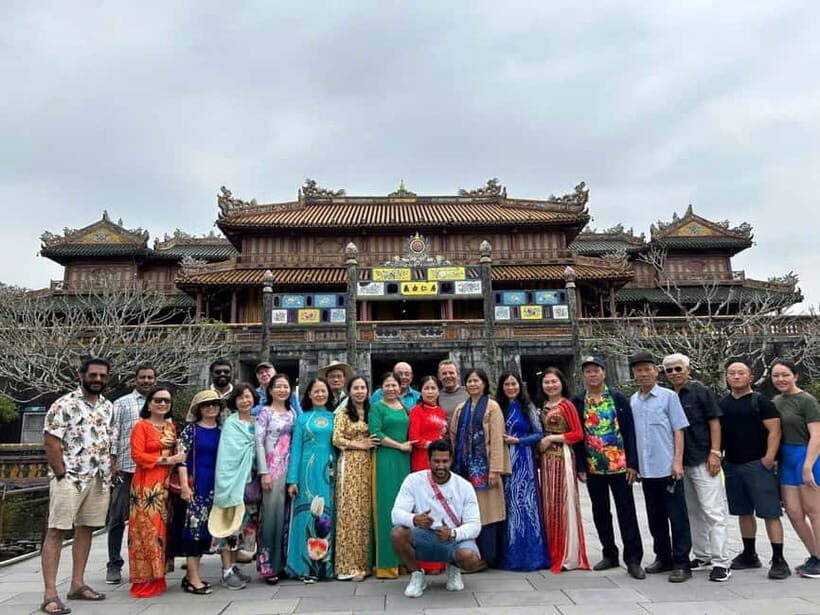
This is a true day trip, and the day starts early. You’ll get picked up from your Da Nang hotel around 7:30–8:00 am, then the group heads toward Hue on a bus that passes through Hai Van Tunnel, a 6.3 km stretch that runs through the pass at the border area between Da Nang and Thua Thien Hue province. If you’re the type who likes to get sightseeing momentum quickly, that tunnel crossing helps because it keeps the transfer moving.
The transfer also includes a couple of stops that aren’t really “tourist sights.” The group pauses for rest and for visits around a pearl processing area in Lang Co Bay, plus a melaleuca oil refining craft village stop. These can be interesting if you want to understand how products from the region are made. Still, they’re also the exact part of the day where time can feel stretched, and the shopping push can be hard to ignore.
Here’s how I’d handle it: set your expectation that you’re getting a quick look at production and materials, not a free-form market stroll. If you enjoy craft processes, pay attention to how they explain the product and skip browsing that turns into pressure. If you just want more time in Hue, this is the part of the schedule you’ll feel most strongly.
You can also read our reviews of more city tours in Da Nang


Thien Mu Pagoda at 11:00: Hue’s iconic start point
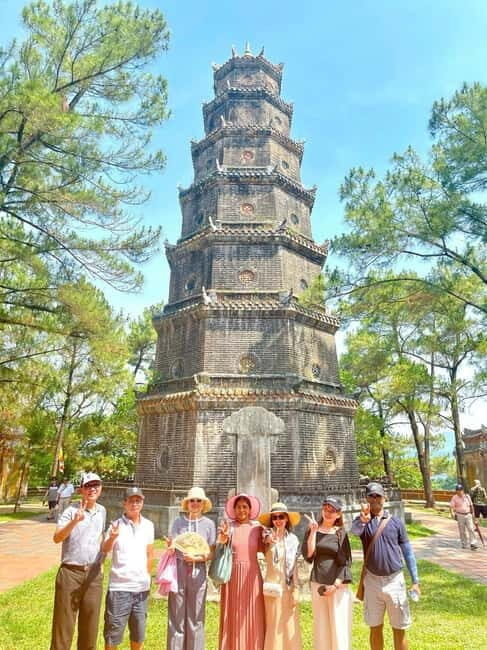
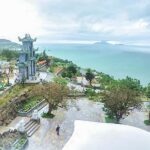
You arrive in Hue around late morning and the first major stop is Thien Mu Pagoda at about 11:00 am. This pagoda is an important symbol of Hue, and it dates back to the reign of Lord Nguyen Hoang. Even if you only have a short visit, it gives the day a historical and spiritual framing before you move into the Imperial Citadel zone.
What I like about placing this stop early: it balances the day. After the bus ride and the road detours, Thien Mu Pagoda gives you a calmer moment—less of a “timeline museum” feeling and more like the city’s living identity. The vibe tends to be local and observant, and it’s a good place to pause, take a breath, and get your bearings in Hue.
Practical note: the tour includes bottled water (one bottle per person), but you’ll still want a hat and sunscreen. Pagoda visits can mean standing and walking in open areas depending on the day, and Hue weather can switch quickly.
Lunch in Hue at noon: simple set menu, real recovery time
At around 12:00 pm, the group has lunch at a local restaurant in Hue. It’s a set menu, which makes the day run smoothly for a group tour. For me, that’s the main win: you’re not hunting for food, and you don’t lose your place in the schedule.
The downside is also baked in. Set-menu lunch usually means limited flexibility, and the quality can land somewhere in the middle. One highlight from the day overall is that lunch is included, so you’re not calculating costs or time mid-tour. If you’re picky or have food restrictions, you’ll want to think ahead and decide how you’ll handle “set menu” choices once you arrive.
If you want to make the most of lunch time, treat it like a reset. Use the break to refill water (if needed), and then plan to be ready for the afternoon walking—because after this, the itinerary shifts into Imperial City exploration.
Imperial Citadel of Hue: Ngo Mon Gate to the Nine Tripod Cauldrons
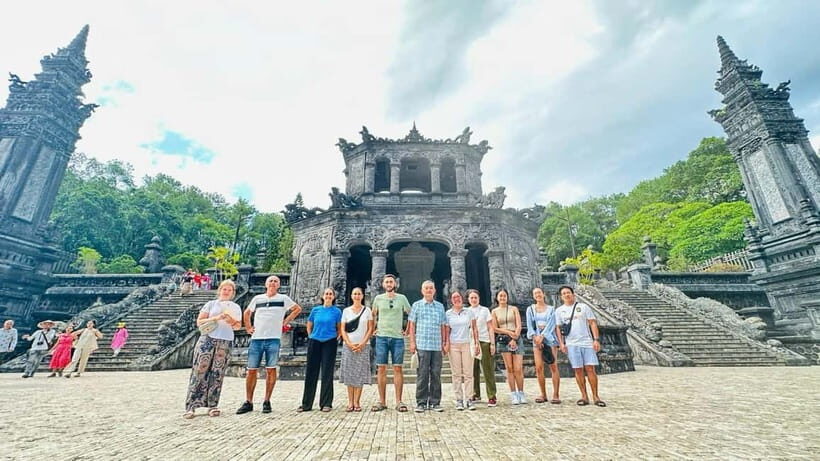
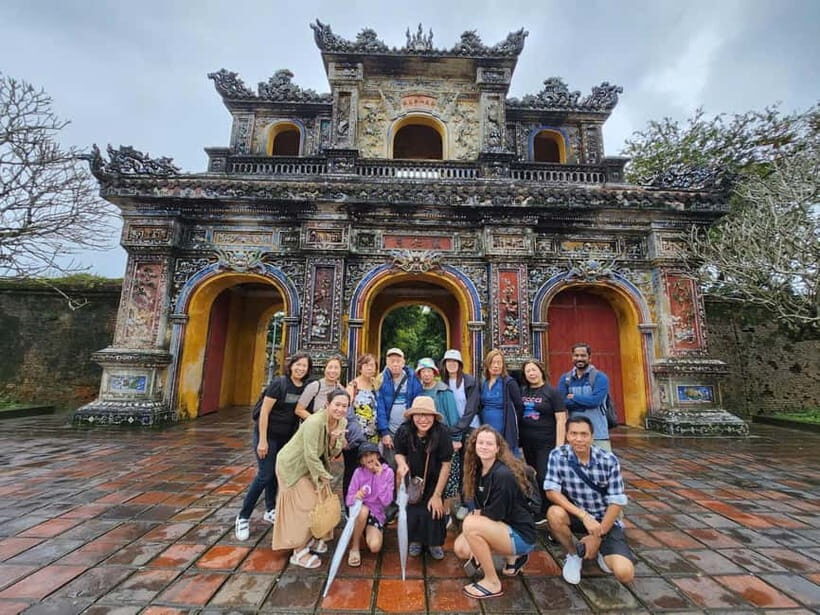
The Imperial Citadel of Hue is your main walking block, starting around 1:00 pm. This part of the day matters because it’s where you see how imperial power was organized, displayed, and reinforced through built space.
You’ll visit a sequence of famous areas and structures, including:
- Ngo Mon Gate
- Thai Hoa Palace
- Forbidden City
- Mieu temple
- Hien Lam pavilion
- The Nine Tripod Cauldrons
What to look for (and why it’s worth doing with a guide): the sites aren’t just random ruins. They were designed as an ordered system—gates, halls, worship spaces, and ceremonial markers all working together. With a guide like Quick, you get the context that helps each stop click into place, instead of feeling like a pile of separate monuments.
My favorite way to experience this portion is to slow down for the “big layout” moments. Stand at key viewpoints, notice alignments, and then move into smaller details like decorative elements and the scale of the courtyards. You’ll likely move between multiple named areas, so comfortable shoes really matter. The tour’s suggested gear includes sports shoes, and I agree: your feet will thank you.
A small reality check: since the schedule moves on time, you won’t linger everywhere for long. If you’re the kind of person who loves to take tons of photos, pick your priorities early—especially around the structures that feel most symbolic to you.
Khai Dinh Tomb at 3:00: the architectural surprise finish
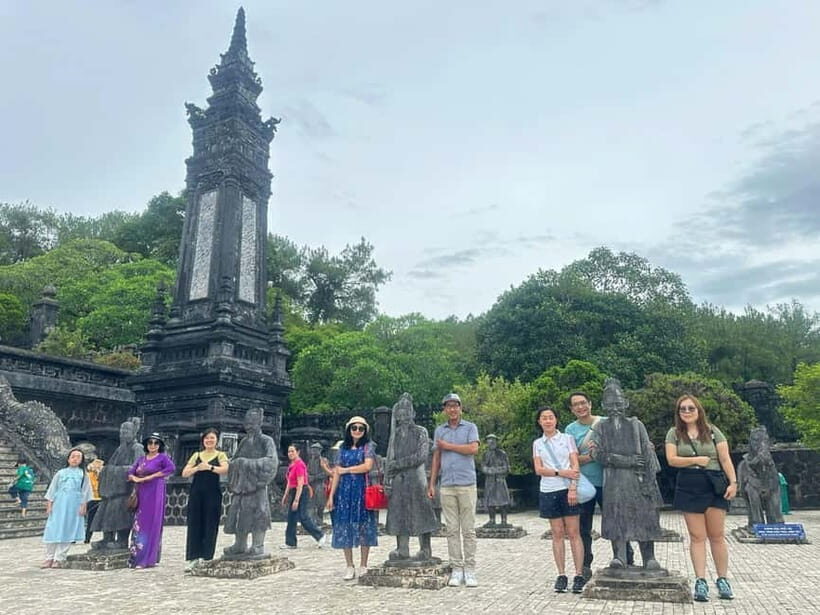
Around 3:00 pm, you’ll head to Khai Dinh Tomb, the burial place of the 12th emperor of the Nguyen Dynasty. This is often the stop that people remember, and it’s easy to see why. The tomb’s architecture mixes Eastern classicism with Western modernity, creating a look that feels unusual compared with what most visitors expect to see in a royal Vietnamese site.
This is the moment where the day’s theme “Hue power and legacy” turns into “how that legacy was expressed.” You’re not just touring a grave site—you’re seeing design decisions that reflect the era’s influences. If you love architecture, religious symbolism, and historical style changes, this final major landmark can feel like the payoff.
Timing helps too. By late afternoon, the crowds can ease a bit depending on the day, and you’re already in sightseeing mode, not still adapting to the city. The one caution: if the day is cold or rainy, you’ll want that jacket the tour recommends. I’ve seen similar conditions derail people’s comfort, and layers make the difference between power-walking and wishing you’d prepared.
You can also read our reviews of more tours and experiences in Da Nang



The bus ride trade-off: long hours, bumpy roads, and restroom timing
This tour is built around transportation from Da Nang, and that means you spend real time on the bus. The schedule points to an early start and a late return, with the return gathering in the late afternoon around 4:00 pm. Add road stops and site visits, and you’ve got a long day.
Comfort can be a weak point. Some people find the bus less comfortable for several hours, especially on bumpy streets. So if you’re prone to back or neck discomfort, plan accordingly: wear supportive shoes, bring a light layer, and consider simple ear protection if you’re sensitive to noise.
One practical tip that I’d treat like non-negotiable: use the restroom before you board when you have the chance. Even if the stop timing looks fine on paper, you’ll be glad you did it early rather than hunting later.
The tour does include bottled water, which helps, but don’t assume that fixes everything. Long travel + sun + walking can still drain you.
Price and value: is $46 a fair deal for this Hue day?
At $46 per person, this tour sits in a reasonable mid-range for a full-day trip from Da Nang. The value isn’t just that you’re paying for the sites. It’s that you’re paying for the whole day’s structure:
- Hotel pickup and drop-off in Da Nang
- Experienced, enthusiastic guide
- Entrance fees for the itinerary sites
- Lunch at a Hue restaurant (set menu)
- Bottled water
- Travel insurance
When you add up those pieces, $46 starts to look less like a “cheap bus ride” and more like paying for fewer decisions. You don’t have to plan transport, figure out ticket timing, or coordinate the day yourself.
Where the value gets weaker is around the parts of the route that feel shopping-driven. The pearl and melaleuca stops can eat time, and if your main goal is concentrated Hue sightseeing, you might feel you’re spending your day away from the places you came for. Also, lunch is included but can be only average depending on the day and the restaurant’s set-menu options.
Still, if you want a guided overview of Hue in one day—without the stress of driving, parking, or ticket logistics—this price can be a solid deal.
Who this Hue tour suits best (and who should skip it)
This tour makes sense if you:
- Want a one-day Hue sampler with the main imperial and tomb highlights
- Prefer guided interpretation, not just a self-guided walk
- Like having lunch handled and entrance fees included
- Don’t mind a long day with a few breaks along the way
I’d think twice if you:
- Have a strong dislike of shop-heavy stops
- Are extremely sensitive to bus comfort and bumpy roads
- Need lots of free time to roam slowly and linger at each site
If you fall in the middle—curious about Hue but also practical about time—go in with clear expectations. You’ll likely enjoy the strongest sights most, especially Thien Mu Pagoda, the Imperial Citadel sequence, and the Khai Dinh Tomb finish.
Should you book this Da Nang to Hue full-day tour?
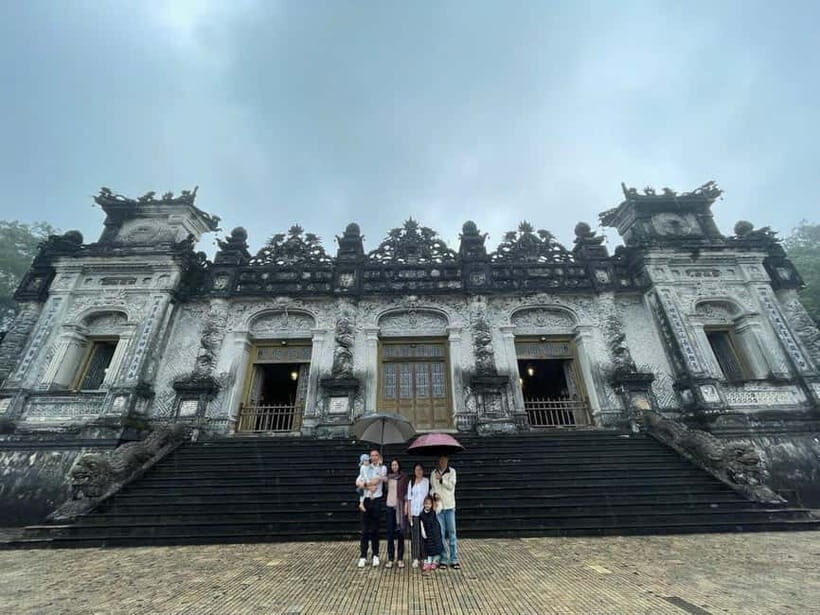
Yes, book it if you want a structured, guided Hue day that includes transport, entry tickets, and lunch. The best parts are the main-sight combination: Thien Mu Pagoda for context, the Imperial Citadel for scale and symbolism, and Khai Dinh Tomb for that striking East–West style.
Skip or adjust your expectations if your top priority is uninterrupted sightseeing. The road stops for pearl processing and melaleuca oil can feel like detours, and the bus ride isn’t the most comfortable for everyone. If you’re prepared for a full day and bring what you need—especially comfortable shoes, hat, sunscreen, and a jacket—this tour can be a good use of your time in Central Vietnam.
FAQ
What time does the tour pick me up in Da Nang, and when does it end?
Pickup is around 7:30–8:00 am from your hotel in Da Nang. The group returns and is scheduled to gather back in the late afternoon around 4:00 pm, with drop-off at the same point as the morning pickup.
Which sights are included in Hue?
You’ll visit Thien Mu Pagoda, the Imperial Citadel of Hue (including Ngo Mon Gate, Thai Hoa Palace, the Forbidden City area, Mieu temple, Hien Lam pavilion, and the Nine Tripod Cauldrons), and Khai Dinh Tomb.
Is lunch included in the price?
Yes. Lunch is included at a local restaurant in Hue as a set menu.
What is included in the tour price?
The price includes pick-up and drop-off car service, an experienced guide, entrance fees for the itinerary, lunch, bottled water (1 bottle per person), and travel insurance.
What is not included?
Any personal expenses are not included.
How does the group travel from Da Nang to Hue?
You travel by car/bus, including a drive through Hai Van Tunnel, which is 6.3 km long.
What languages are the tour guide services available in?
The tour is offered with English and Vietnamese.
What should I bring for the day?
Bring a hat, sunscreen, a jacket, and sports shoes.