REVIEW · SAFARI
Safari – Finding the most endangered monkey in the World
Book on GetYourGuide →Operated by SON TRANG DUNG COMPANY LIMITED · Bookable on GetYourGuide
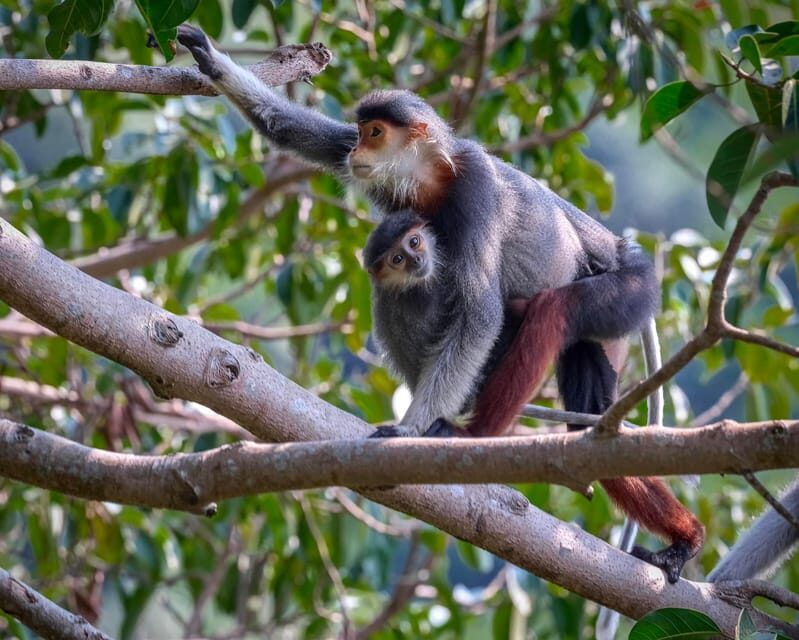
A sunset safari for the rarest primates. This Son Tra Nature Reserve trek is built around the red-shanked douc langur, often called the Queen of Primates, and it takes you off the main tourist routes for quiet, jungle-style spotting.
I love the small group size and the very practical touches: binoculars for those shy sightings, plus water and fruit snacks during the hunt. I also like that the guides teach you how to read what you’re seeing, so your photos aren’t just pretty, they’re informed.
One consideration: seeing monkeys, and seeing the most distinctive ones, isn’t guaranteed. Weather, monkey behavior, and luck decide a lot, and the trip is designed to be respectful rather than pushy.
In This Review
- Key things worth knowing before you go
- How a Da Nang Sunset Safari Fits Real Wildlife Watching
- The Ride Up: Motorbike Trekking Into Quiet Jungle Slopes
- Your Binoculars Plan for Douc Langurs High in the Trees
- What You’ll Learn: Sex, Age, and Real-Time Field Data
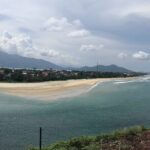
- Hidden Stops: Monkey Mountain and a Secret Beach Feel
- Photos, Video, and a Guide’s Camera Support
- The Guide Team: Small Group Energy and Strong Scanning Skills
- Price and Value: What $48 Buys in the Real World
- What to Bring (and What to Leave Behind)
- Who This Safari Suits Best (And Who Might Skip It)
- Should You Book This Red-Shanked Douc Langur Safari?
- FAQ
- How long is the safari?
- Where do I meet, and where does it end?
- Is seeing the monkeys guaranteed?
- What’s included in the price?
- Do I need to bring a camera?
- Are there weight limits?
- Is this tour suitable for young children?
Key things worth knowing before you go
- Critically endangered focus: Your target is the red-shanked douc langur, not the usual “whatever wildlife shows up” plan.
- Binocular time for shy animals: You’re provided binoculars to help when the monkeys stay high in the trees.
- Learning in the field: You can practice identifying sex and age, plus you may help collect real-time research data.
- Motorbike + foot mix: You’ll move by motorbike to remote slopes, then walk a gentle route in the reserve.
- Expert spotting, safe distance: Reviews highlight how guides keep a respectful buffer while still helping you observe closely.
- More than monkeys: You’ll also see scenic stops tied to places like Monkey Mountain and a secret beach area.
How a Da Nang Sunset Safari Fits Real Wildlife Watching
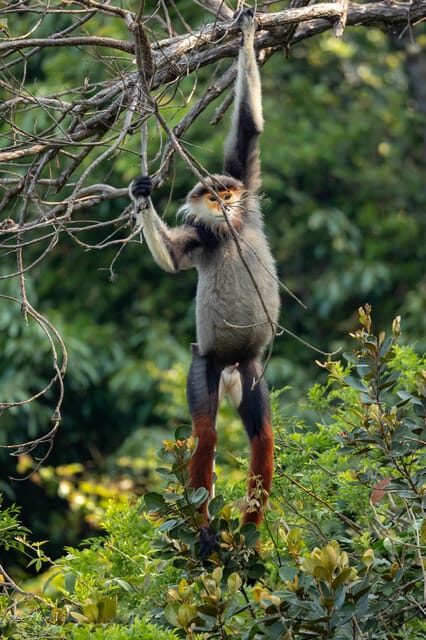
This safari is timed for late-day activity in the Son Tra hills. In plain terms: you’re visiting when the reserve feels alive, the light is better for viewing, and the langurs are more likely to be visible as they move and feed.
What makes this different from a “we’ll stop and hope” experience is the way the whole outing is built around one goal: find red-shanked douc langurs (the “queen” of primates) in their natural habitat. That focus matters for your expectations. When you buy into a specialist plan, you spend less time bouncing around and more time learning how to look.
And yes, you may still end up with a lower sighting day. The operator is clear that nothing is guaranteed. That honesty is good. It means you can plan as a nature outing first, and as a primate-spotting bonus second.
You can also read our reviews of more tours and experiences in Da Nang.
The Ride Up: Motorbike Trekking Into Quiet Jungle Slopes
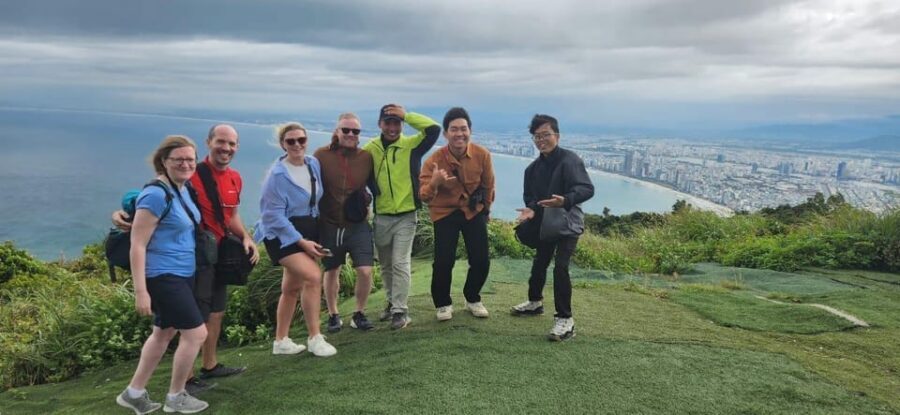
Most of the adventure starts before you even see a monkey. You’ll travel by motorbike with a guide who also acts as your driver, then switch to walking for parts of the route.
From reviews, the motorbike portion is a real part of the experience: the guides are experienced at spotting while riding and scanning the slopes for movement. The ride is not described as wild thrill-seeking; it’s more like getting you to the right angles and forest edges where sightings are possible.
If you’re in the 85kg to 100kg range, there’s a practical note: you’re required to pay 250,000vnd extra, and they prepare a more powerful bike for the climb. That’s not a random upsell detail. It’s a sign they plan for comfort and safety on the hills.
One more practical point: the tour asks for light travel. They explicitly say there’s no space for backpacks or luggage. Pack with that in mind, because hauling bags in a tight, remote setup won’t feel fun.
Your Binoculars Plan for Douc Langurs High in the Trees
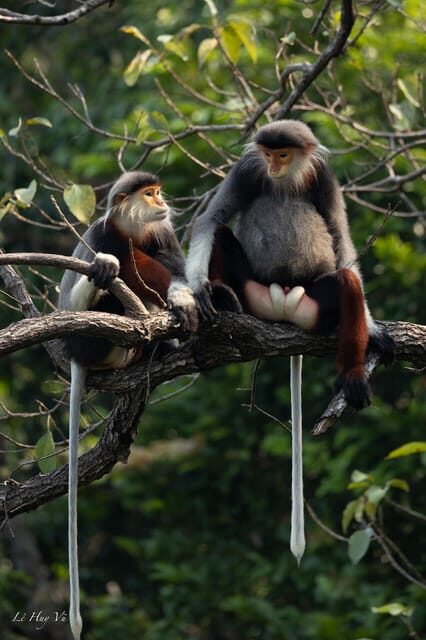
Red-shanked douc langurs can be hard to photograph because they may stay high, move quickly, or pause just long enough to test your patience. That’s exactly why the tour includes binoculars.
The value here is simple: binoculars let you confirm details even if the monkey is too far for a clear phone shot. With the right view, you’re more likely to understand what you’re seeing, not just guess.
The guide work matters too. In multiple reviews, people talk about guides like Cillian, Brendan, Tam, Huy, and Binh spotting langurs quickly along the way. That skill changes the whole feel of the day. It’s the difference between wandering and actually hunting—quietly, respectfully.
What You’ll Learn: Sex, Age, and Real-Time Field Data
This is where the safari earns its “more than a sighting” reputation. The outing doesn’t just point at monkeys. It aims to teach you how to read them.
You’ll get instruction on how to tell:
- she vs. he (sex identification)
- their age (what changes as they grow)
That might sound like trivia until you’re standing there and realizing how much information you can pull from posture, size, and behavior. It turns your viewing into something you can actively participate in.
Even better, the program includes a “real-time research” element. You may help collect data about the monkey you encounter. That doesn’t mean you’re doing lab work in the jungle. It means the tour frames you as part of the observation process, which encourages patience and respectful distance.
You’ll also get a supporting cast of forest life. The program mentions birds, colorful butterflies, plants, and sometimes mongoose. When you’re not staring at one monkey group, you’ll still have plenty to notice, which makes the whole outing feel richer even on slower sighting moments.
Hidden Stops: Monkey Mountain and a Secret Beach Feel
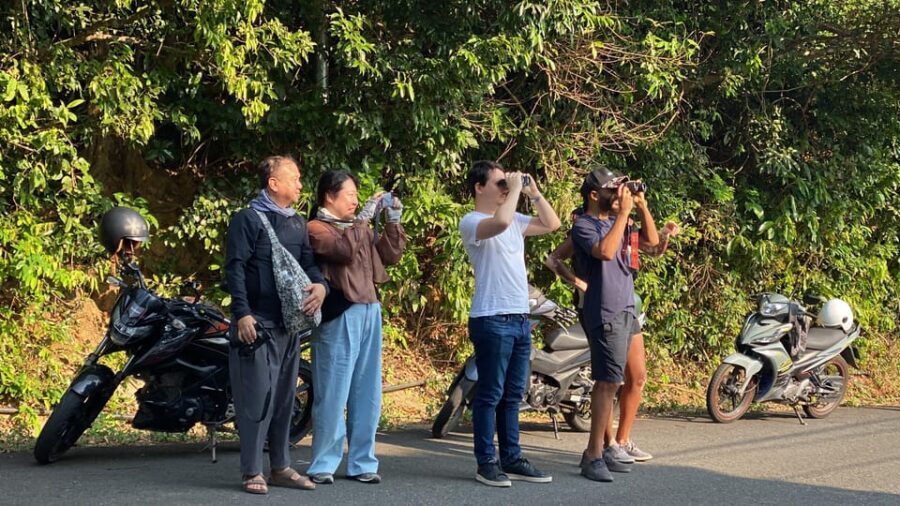
The route is described as multiple slopes and secret spaces inside the reserve, plus scenic elements outside strict “just follow the guide” sightseeing. The tour specifically mentions opportunities to see:
- Monkey Mountain
- a secret beach area
- other hidden scenery during the ride and walk
For you, that means the safari isn’t only about one brief wildlife window. You’re also getting rewarding views and a sense of place. If you’re traveling with someone who cares more about scenery or photos than animal ID, this helps keep the balance.
There’s also a smart, practical vibe to how these stops work. Because you’re moving between viewpoints and forest edges, you don’t feel stuck waiting at one spot for too long. The “hunt” keeps shifting, which helps keep the day from getting monotonous.
Photos, Video, and a Guide’s Camera Support
If you’re hoping to film or shoot video, this is set up for it. Cameras aren’t included, but the tour encourages bringing your own.
A nice extra shows up in reviews: you may be given a link to access photos taken on professional cameras by the guides. That’s helpful if you’re holding a phone and binoculars at the same time and can’t nail every frame.
Also, keep in mind the guides aim for respect and distance. Reviews repeatedly highlight that they don’t frighten the monkeys and keep a safe buffer for the langurs’ comfort. That can mean slightly less “close-up” than some people expect from animal tourism. But it’s the trade-off for a more ethical, sustainable experience—and a better chance of continued sightings rather than one scared group that disappears.
The Guide Team: Small Group Energy and Strong Scanning Skills
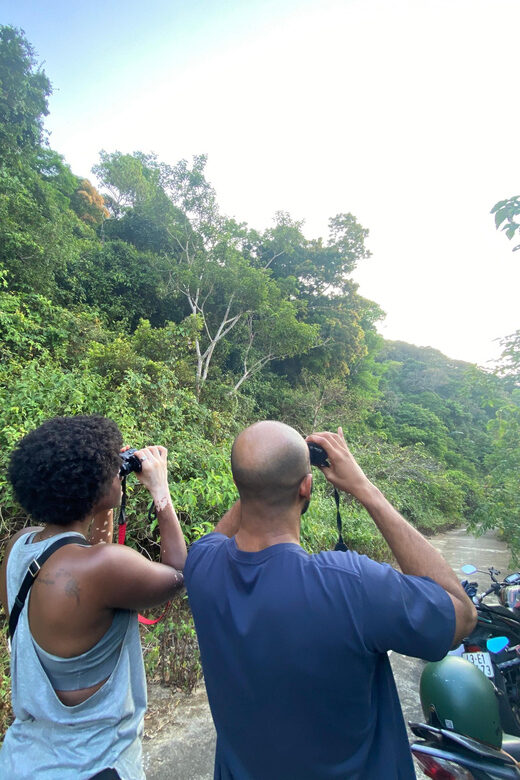
This is a small group tour limited to 5 participants. That matters. With fewer people, you can actually hear the guide explanations and stay positioned for binocular viewing without turning the viewing area into a crowd.
Reviews point to strong guide spotting ability. People mention an ability to detect langurs along the slopes quickly, then guide the group to watch without constant interruption. Names that come up often include Brendan, Cillian, Tam, Huy, Binh, and Lillian.
You’ll also have time for conversation. The program mentions chances to talk with local animal photographers on the trail, plus you can see their photos for better context on the monkeys. That’s a fun angle if you like wildlife photography, and it also helps you learn faster because photographers often explain what to look for beyond the basics.
Price and Value: What $48 Buys in the Real World
At $48 per person, this sits in the “worth it if you care about seeing the right animal” category. The price isn’t only for walking in a forest. It’s for:
- access to a specialized search focus (red-shanked douc langurs)
- binoculars
- guided instruction on identification
- motorbike transportation to remote areas
- water and fruit snacks
- a small group setup
On top of that, there are extra charges that can apply:
- During Lunar New Year (Jan 28 to Feb 1, 2025) there’s a 300,000vnd service charge paid on the spot.
- If you’re 85kg to 100kg, there’s a 250,000vnd extra fee, and they adjust the bike setup.
For value, the biggest question for you is: do you want expert-led wildlife viewing, or do you just want an easy nature walk? If you want the first one, this makes sense because it’s structured like a search-and-learn outing, not a casual stroll with a chance of wildlife.
What to Bring (and What to Leave Behind)
You don’t need heavy gear here. The operator notes that there’s no space for backpacks or luggage, so travel light. Bring what you’ll actually use: phone or camera, maybe a small pouch for essentials, and whatever lets you feel comfortable for a few hours in outdoor conditions.
You’ll also have:
- water and fruit snacks provided
- binoculars provided
- English-speaking instruction
And a quick rule that matters: no alcohol or drugs during the activity. That’s typical, but it’s good to know ahead if you’re thinking of combining this with nightlife.
Who This Safari Suits Best (And Who Might Skip It)
This one is a great fit if you:
- care about wildlife viewing that tries to be ethical and respectful
- want real instruction (sex and age identification, behavior reading)
- enjoy photography and video, but also like learning what makes a sighting meaningful
- like small groups and hands-on guiding
It’s not suitable for:
- children under 5
- people over 220 lbs (100 kg)
If you’re a bit nervous about the motorbike portion, reviews suggest the guides are considerate and safety-focused, including for people in their 60s. Still, if you’re extremely uncomfortable with motorbike transport, this may not be your best day.
Also, set expectations about sightings. The program explicitly says they can’t guarantee seeing monkeys every time or seeing rare ones every day. Your best mindset is flexible: you’re going for a high-quality jungle experience with a serious chance of seeing langurs.
Should You Book This Red-Shanked Douc Langur Safari?
If your top priority is red-shanked douc langurs in Son Tra, and you’re happy to trade “certainty” for a more responsible, guided search, I’d book it. The strongest reason to go is the combination of expert spotting, binocular support, and hands-on learning (sex/age ID plus possible field data help).
If you need a guaranteed sighting no matter what, plan something else too. Even with skilled guides, weather and animal behavior drive the day.
FAQ
How long is the safari?
The activity is listed as 2.5 hours total.
Where do I meet, and where does it end?
Meet in front of Esco Beach Bar in Da Nang. The tour ends back at the same meeting point.
Is seeing the monkeys guaranteed?
No. The operator notes that seeing monkeys, including rare ones, depends on weather, monkey behavior, and luck.
What’s included in the price?
You get binoculars to view the shy monkeys, plus water and fruit snacks. You’ll also travel by motorbike, with a guide serving as your private driver.
Do I need to bring a camera?
Cameras are not included, but you’re encouraged to bring your own if you want to take photos or videos.
Are there weight limits?
Yes. It’s not suitable for people over 220 lbs (100 kg). If you’re 85kg to 100kg, there’s an additional 250,000vnd fee, and they prepare a more powerful bike.
Is this tour suitable for young children?
No. It’s not suitable for children under 5.