REVIEW · CHAM ISLAND SNORKELING
Visit Cham Islands & Snorkelling & Scuba Diving
Book on GetYourGuide →Operated by Asia Tour · Bookable on GetYourGuide
Corals and white sand in one day is a rare combo. Cham Islands delivers clear water and real reef time, with a tour flow that mixes nature and island stories.
What I like most is the chance to switch from snorkeling to relaxing on Lang Beach and its loungers under coconut trees. I also appreciate the cultural stops, like the ancient well said to be used to pray for love, plus Hai Tang Pagoda. One possible drawback: the water experience can be busy and conditions vary, and the scuba option may be more beginner-friendly than you expect.
In This Review
- Key Highlights at Cham Islands
- First, Getting to Cu Lao Cham Sets the Tone
- Speedboat + Canoe: What the Transport Really Means for You
- Arrival on Cham: Lang Island and Its Real-World Scale
- Lang Beach Stops: Marine Sanctuary and the Love-Well Story
- Hai Tang Pagoda: A Calm Pause Between Sea Time
- Chong/Ong Beach: Where Your Water Time Happens
- Quick reality check on visibility and comfort
- If you’re scuba-certified
- Equipment and Support: The Difference Between “Doable” and “Good”
- Seafood Lunch: Fuel After Saltwater Time
- Back to the Beach: Relaxation and the Coconut-Tree Reset
- Price and Value: Is $32 Worth It?
- Practical Tips Before You Book
- Who This Tour Suits Best
- Should You Book Cham Islands Snorkeling and Scuba?
- FAQ
- How much does the Cham Islands snorkeling and scuba tour cost?
- What’s included in the tour price?
- Is scuba included, or is it extra?
- Where is the pickup and how do you get to the islands?
- What languages are available for the tour?
- Is lunch included, and what kind of food is served?
- Can I cancel and get a full refund?
Key Highlights at Cham Islands
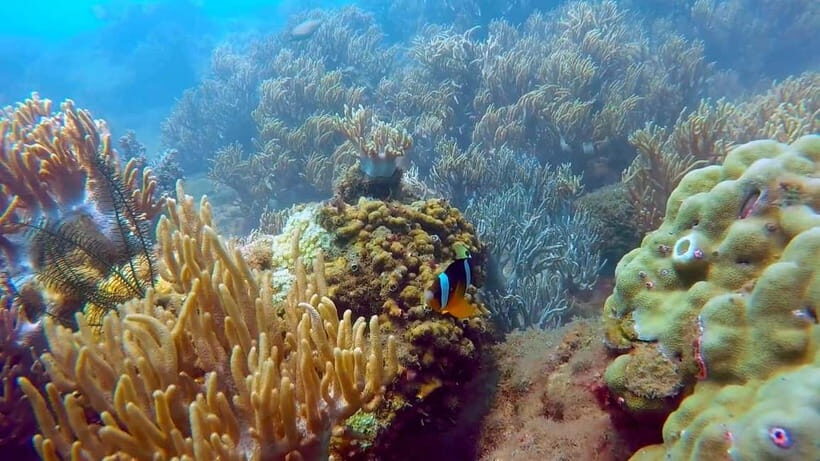
- Snorkel or go underwater on Chong/Ong Beach to look for coral, fish, and starfish
- Lang Beach Marine Sanctuary with fossil-style displays of marine creatures
- An ancient love-well story tied to how island people traditionally prayed
- Hai Tang Pagoda visit on the island, adding a calm spiritual pause
- Seafood lunch after your time on the water, plus a simple mineral water bottle
First, Getting to Cu Lao Cham Sets the Tone
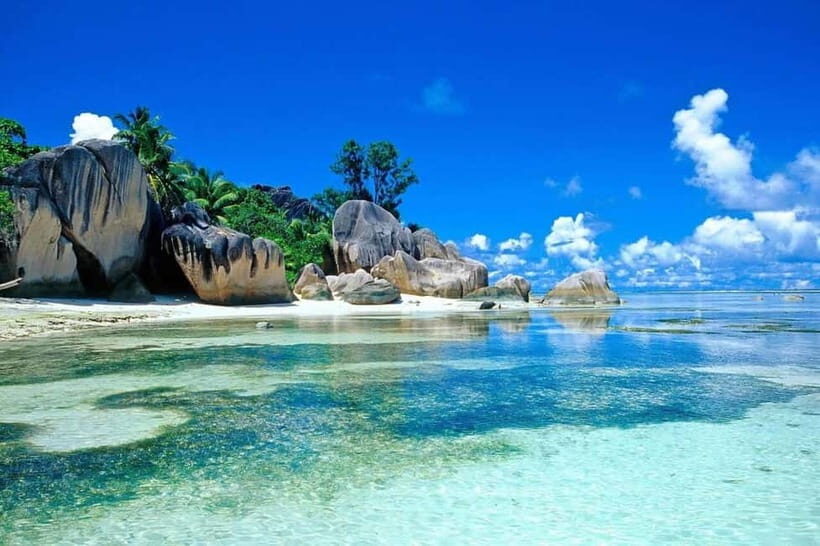
The day starts with hotel pickup by an air-conditioned car heading toward Cu Lao Cham. If you’re coming from Da Nang, there’s a surcharge mentioned for the transfer. Even before you reach the port, you’ll pass coastal scenery in Vietnam’s central stretch, so the morning doesn’t feel like dead time.
From Cu Lao Cham, you take a canoe to the island area, then ride a speedboat over to Cham Islands. That wave-riding part matters more than you might think: it’s your first taste of “island day” energy, and it helps break up the long travel feeling.
You can also read our reviews of more snorkeling tours in Da Nang
Speedboat + Canoe: What the Transport Really Means for You
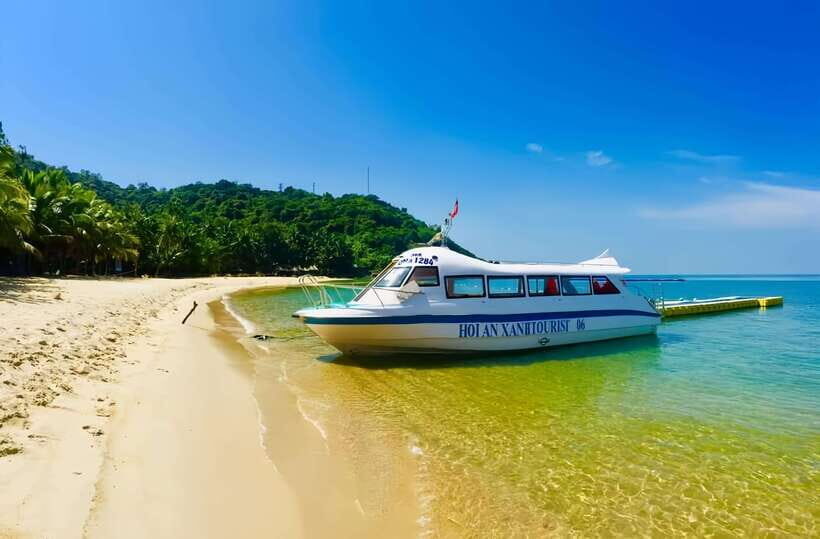
This tour is built around water movement, and it’s not subtle. You’ll experience a canoe crossing, then speedboat travel across open water, so you’ll want to be ready for motion.
If you get seasick easily, you should plan for that. The timing isn’t listed here, but the sequence suggests you’ll be on boats early and again around your island activities. A small mindset shift helps: treat it like part of the adventure, not a delay.
Arrival on Cham: Lang Island and Its Real-World Scale
Cham Islands includes a main island, Lang Island (home to around 3,000 people), plus several smaller islands. That detail is useful because it explains why the tour stops can feel both natural and organized: you’re not going to a “private beach” fantasy.
You’ll head to Lang Beach first, which is a great setup. It gives you a comfortable landing before you go looking at reefs. From a value perspective, this matters because you get beach time early, then you do the more gear-and-water part later without feeling like the day is only work.
Lang Beach Stops: Marine Sanctuary and the Love-Well Story
At Lang Beach, you’ll visit the Marine Sanctuary. The standout element here isn’t just marine life—it’s how it’s presented. There’s a display concept that includes fossils of marine creatures, which adds a “where this life comes from” layer to your snorkeling day.
Then your tour guide brings you to an ancient well on the island. The story centers on people using the well’s water to pray for love. Even if you’re not a temple-and-legend person, this stop gives the day texture. You’re not only consuming scenery—you’re learning what the place means to locals.
A guide is also part of the value. One review specifically praised Hien for on-time pickup and good service, so when communication is smooth, the whole day feels more relaxed.
Hai Tang Pagoda: A Calm Pause Between Sea Time
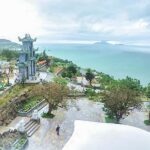
After the well, you’ll continue to Hai Tang Pagoda. The tour description frames it as an ancient temple on the island and highlights how sacred it is.
This is a smart scheduling choice. You’ve been moving around on boats and thinking about water activities, so a quiet temple visit offers a mental reset. It’s also a helpful moment to step away if you’ve got sun stress building.





Chong/Ong Beach: Where Your Water Time Happens
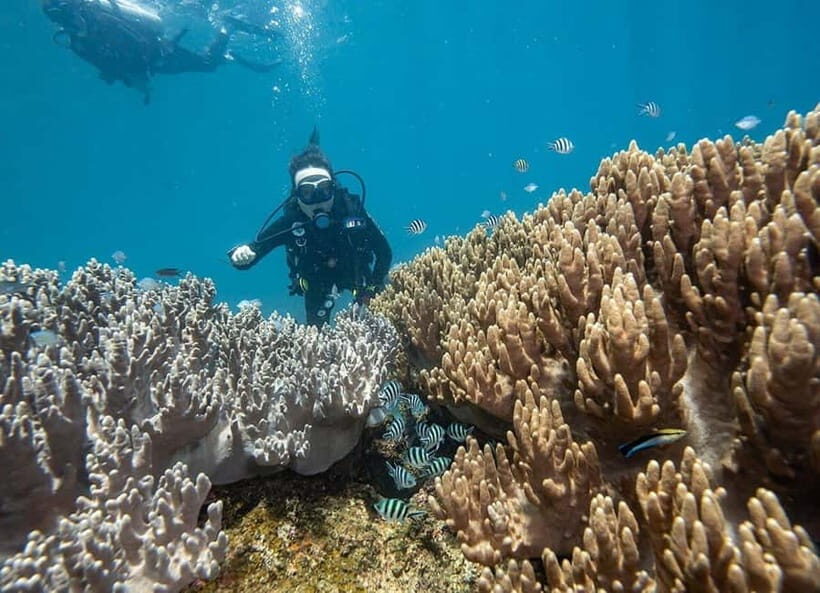
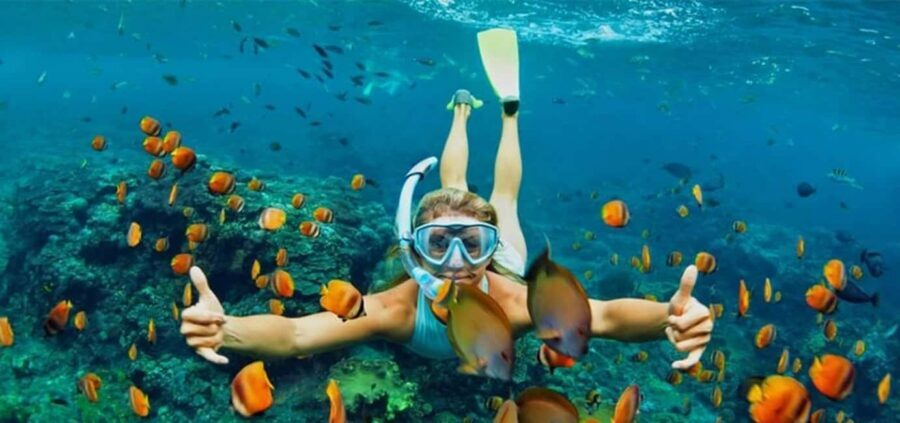
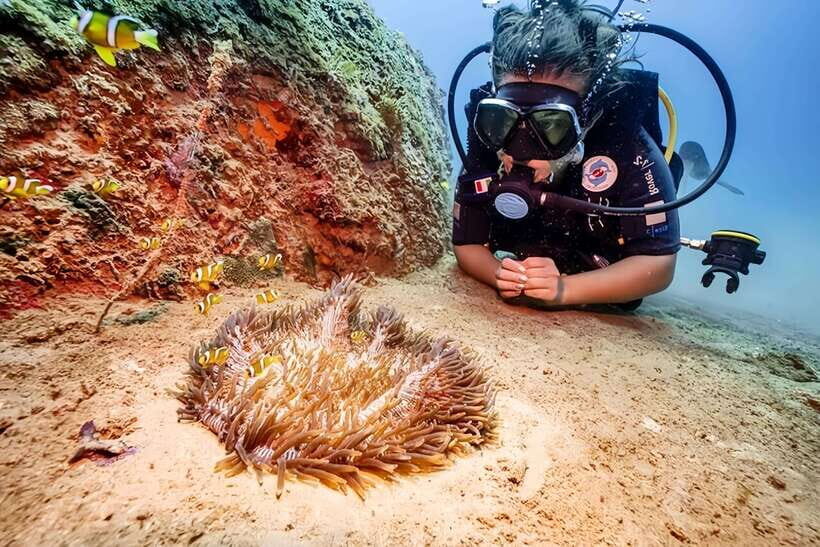
After your island sightseeing, you’ll go to Chong/Ong Beach for snorkeling or scuba. This is the main event for anyone coming for reef life.
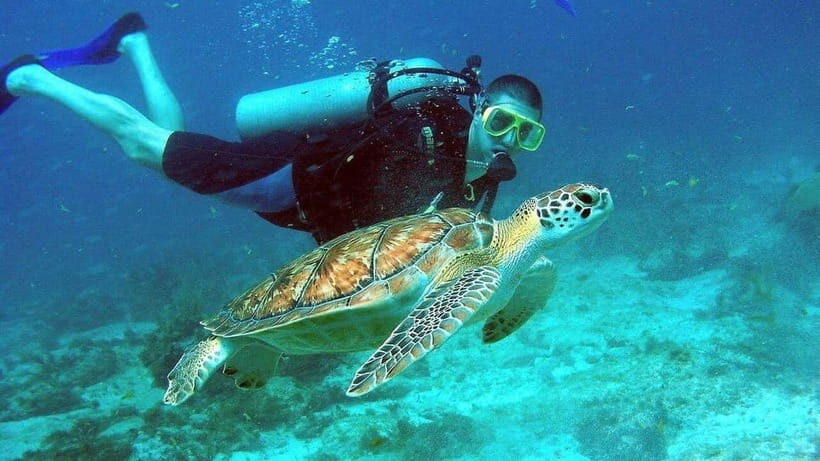
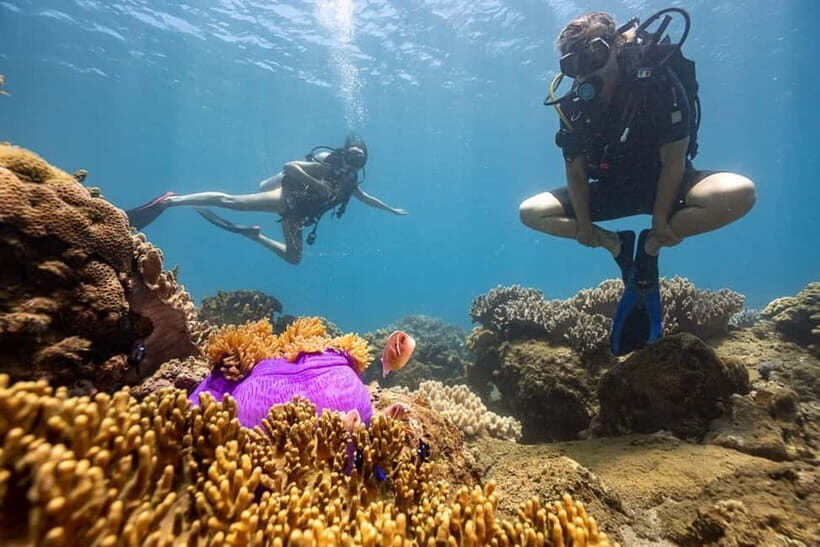
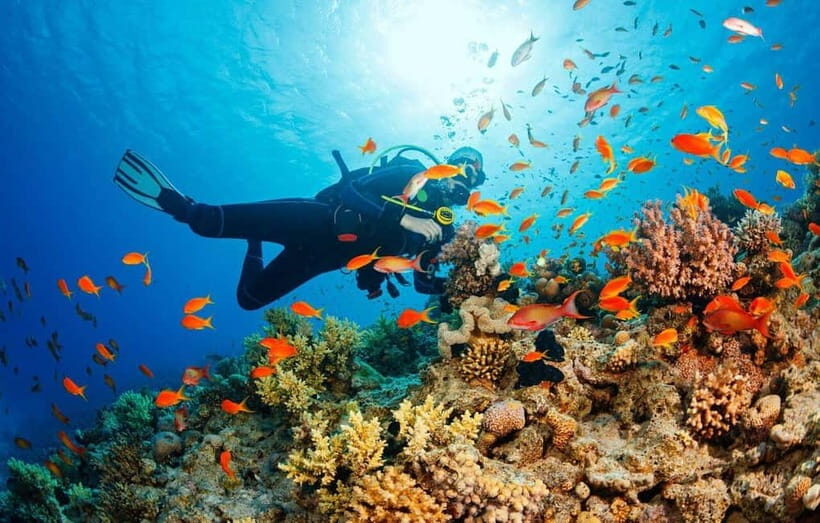
Here’s what you can expect from the tour description: you’ll have time to swim, snorkel, or do the scuba activity and explore the marine world. The highlights listed are coral reefs, fish species, and starfish. That’s the exact kind of payoff you want after boat travel and temple stops.
Quick reality check on visibility and comfort
Not all water time is identical. One set of notes described jellyfish and poor visibility during snorkeling. You should treat that as a weather/conditions reminder, not a reason to cancel your dreams. If you’re planning for comfort, consider packing (or wearing) protective clothing like a rashguard, and keep your plan flexible if water conditions aren’t ideal that day.
If you’re scuba-certified
The scuba option has a surcharge, and the important nuance is how it may be handled. Some reports describe scuba as more guided for beginners, with an instructor supporting from behind and a very shallow maximum depth (around 3 meters). If you hold an OW certification and you want a more independent setup, you should confirm the expected format and depth limits before you go. It’s totally reasonable to ask—this is your safety and your experience.
Equipment and Support: The Difference Between “Doable” and “Good”
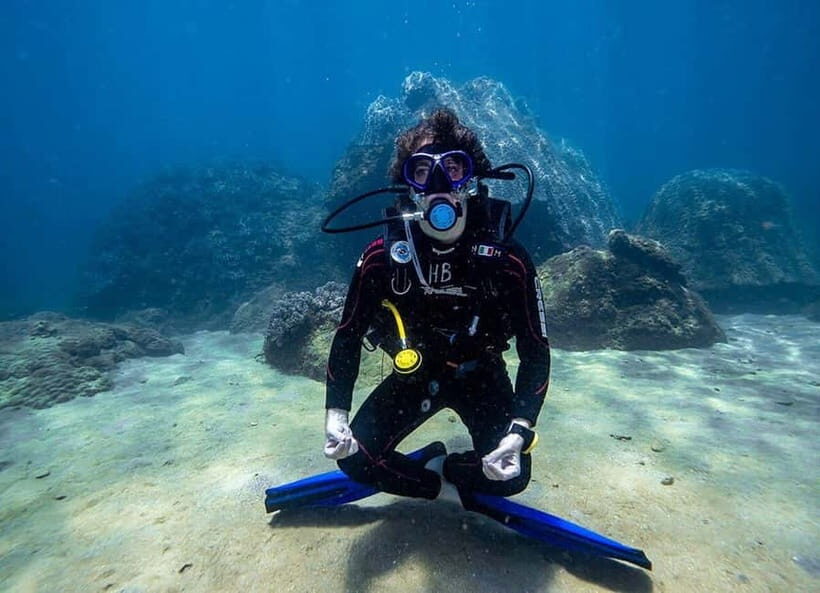
The tour includes swimming and snorkeling, while scuba is an extra cost. For many people, that division is simple: snorkeling is the included path, scuba is the add-on.
The quality factor isn’t just equipment—it’s how confident you feel in the water. One review described first-time scuba support as reassuring and said the guide took care of the group well. Another review warned that experienced divers might not get the level of autonomy they hoped for. Translation for you: snorkeling is a solid bet even if you’re cautious, while scuba is worth it if you’re okay with a structured, beginner-leaning style.
Seafood Lunch: Fuel After Saltwater Time
Lunch is included and is a seafood option. This is also one of the day’s practical benefits: you get a planned meal after the ocean part, instead of trying to find food while everyone’s sandy and hungry.
One caution from a real-world experience: there was mention of food poisoning after lunch for one person. I can’t tell you the cause from here, but it’s a reminder to eat what you feel comfortable with and stick with bottled water. The tour provides 500ml mineral water per person, which is at least a small safety net.
Back to the Beach: Relaxation and the Coconut-Tree Reset
After snorkeling/scuba time and lunch, you’ll return toward the mainland (the tour notes a return to Hoi An) and you’ll have time to relax at a beach area. The description mentions being showered with clean water and having chairs or hammocks under coconut trees.
This is the part I think many people underestimate. You’re not just buying a marine visit—you’re buying the decompression. Looking at blue water and white sand after time in the sun can feel like a forced pause from your normal pace.
Price and Value: Is $32 Worth It?
At $32 per person, this tour’s value is strongest if you want the full package: transport, an English-speaking guide (with language surcharges for other languages), time for snorkeling, a seafood lunch option, and mineral water.
Where the value gets tricky is scuba. Scuba is explicitly not included (it has a surcharge), and the scuba experience may be structured for beginners, not advanced diver needs. So if scuba is your top priority, the true value depends on your scuba expectations and what depth/support you’ll receive.
Also consider the optional surcharges: pickup from Da Nang, non-English guide, and holiday surcharges in Vietnam. The tour may be an excellent deal when you fit the standard plan, and a less attractive deal if you keep adding extras.
Practical Tips Before You Book
Here are a few ways to make this day smoother without wasting money or energy:
- If you want scuba, message first to confirm the scuba format and what certification level it’s aimed at.
- Plan for crowds. One note described many people and some chaos on the island. Bring patience and start early in your free-water mindset.
- If you’re sensitive to water conditions (jellyfish, visibility), don’t treat bad water as personal failure. Switch your expectations toward “sea life spotting” instead of flawless clarity.
- Bring sun protection. You’ll be out on a beach with white sand and clear water, so sun will do the talking faster than you think.
- If you’re coming from Da Nang, budget for the pickup surcharge.
Who This Tour Suits Best
This tour is a great fit if you:
- Want a single-day Cham Islands plan that mixes beach, reef time, and cultural stops
- Prefer snorkeling over scuba, or you’re okay with a guided scuba setup
- Like simple, organized experiences where transport and lunch are handled
It may be less ideal if you:
- Are a certified scuba diver who expects deeper or more independent underwater time
- Need consistently calm, uncrowded water conditions every time
Should You Book Cham Islands Snorkeling and Scuba?
I’d book this if you want an easy, affordable way to see coral reefs and sea life, then spend real time relaxing on a white-sand beach. The combination of Lang Beach, the Marine Sanctuary, and the ancient well story makes the day feel more than just swimming.
I’d hesitate only if scuba autonomy and advanced dive time are your main goals. In that case, ask hard questions before you pay the scuba surcharge—especially around depth limits and instructor positioning—so you don’t end up with a mismatch between what you want and what’s offered.
FAQ
How much does the Cham Islands snorkeling and scuba tour cost?
The price is listed as $32 per person.
What’s included in the tour price?
Included items are hotel pickup and drop-off by AC car, an English-speaking tour guide, lunch with a seafood option, swimming and snorkeling time, and 500ml mineral water per person.
Is scuba included, or is it extra?
Scuba is not included. It’s available with a surcharge. Snorkeling is included as part of the swimming and snorkeling time.
Where is the pickup and how do you get to the islands?
You’re picked up from your hotel by an AC car, then travel to Cu Lao Cham. At the port, you use a canoe to get to the island area and take a speedboat ride toward Cham Islands.
What languages are available for the tour?
The languages listed are English, Chinese, Japanese, French, Italian, German, Russian, Korean, and Spanish (with a surcharge for languages other than English).
Is lunch included, and what kind of food is served?
Lunch is included and offers a seafood option.
Can I cancel and get a full refund?
Yes. You can cancel up to 24 hours in advance for a full refund. Also, there’s a note to contact the provided phone number before booking to check availability.