REVIEW · FOOD
Cook 5 Dishes Authentic Vietnam Food and Market Adventure
Book on Viator →Operated by Danang Summer Cooking Class · Bookable on Viator
This cooking class turns a simple meal into a mini Vietnam trip. You start with a local market, then cook five well-known Vietnamese dishes from scratch, learning the stories behind what’s on your plate. I love that you get both hands-on time and cultural context, including a touch of language and the background of each dish.
One thing I really like is the pacing: you’ll shop, prep, and cook during the same 3-hour session, so the food stays fresh and the class stays practical. The second standout for me is value: the price includes meals and all equipment, so you’re paying mostly for instruction and ingredients you’ll actually use. The one consideration is transportation—public transport isn’t included—so plan your arrival and return around the meeting point.
In This Review
- Key Highlights You’ll Feel on Day One
- From Market Aisles to Your Cutting Board on Phạm Quang Ảnh
- How the Market Tour Actually Changes What You Cook
- Five Famous Vietnamese Dishes Across Three Regions
- The Chef-Led Cooking Lesson: From Scratch, No Guesswork
- What You’ll Eat, and Why It Feels Like More Than a Snack
- Certificate and Cookbook: Your Take-Home Vietnamese Toolkit
- Dietary Preferences and How to Plan Without Stress
- Group Size, Timing, and Why 3 Hours Is a Sweet Spot
- Price and Value: What $36.09 Gets You in Da Nang
- Getting There: Meeting Point and Transport Reality
- Who This Class Suits Best (and Who Might Skip It)
- Should You Book Danang Summer Cooking Class?
- FAQ
- How long is the Cook 5 Dishes Authentic Vietnam Food and Market Adventure?
- Where does the class start and end?
- What’s included in the price?
- Do they accommodate dietary preferences or restrictions?
- Is public transportation included?
- How many people are in a group?
Key Highlights You’ll Feel on Day One
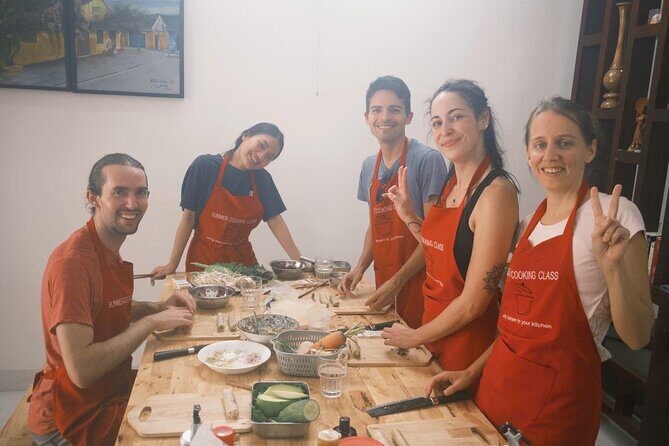
- Market ingredient picking with your instructor, so you learn what to buy and why
- Five dishes in one class, tied to famous foods across Vietnam’s regions
- Chef-led cooking from scratch, with histories and stories behind each plate
- Dietary preferences supported, so you can still join even with restrictions
- Small group size (max 16) for a more personal, hands-on flow
From Market Aisles to Your Cutting Board on Phạm Quang Ảnh
The experience starts right at 85 Phạm Quang Ảnh, An Hải Đông, Sơn Trà, Đà Nẵng. Arrive about 10 minutes before your booking time, get settled, and you’ll be ready to head to the market with your cooking instructor.
This is the part I think makes the whole class work. Food in Vietnam isn’t just a recipe—it’s what people choose at the market, how they judge ripeness, and what ingredients are normal in daily cooking. When you hand-pick your own items, you stop treating cooking as a mystery and start treating it as decision-making.
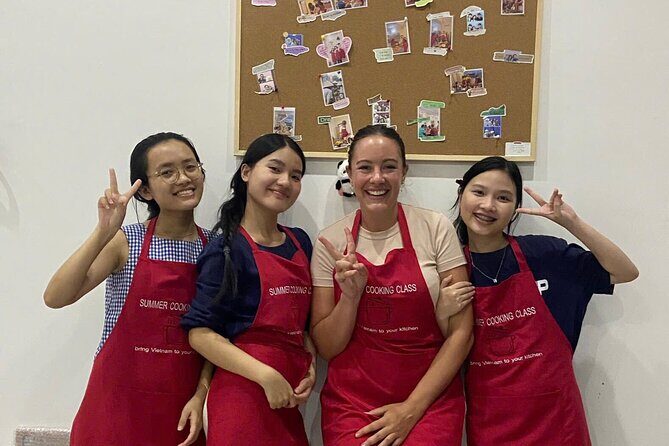
Another nice touch is the class size cap of 16 travelers. That matters in a cooking setting. With smaller groups, you’re more likely to get help when you’re chopping, mixing, or trying to get the timing right.
You can also read our reviews of more food & drink experiences in Da Nang
How the Market Tour Actually Changes What You Cook
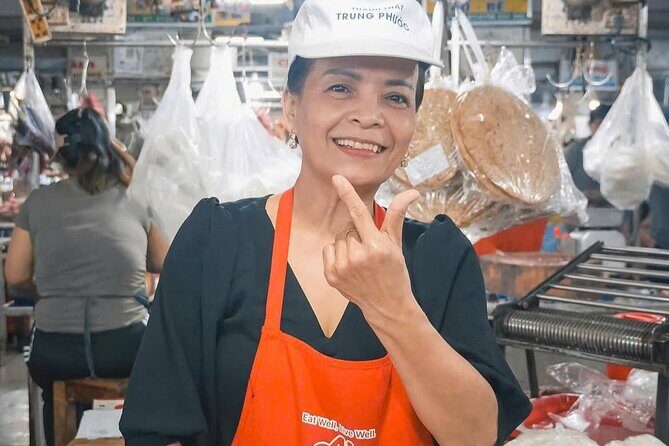
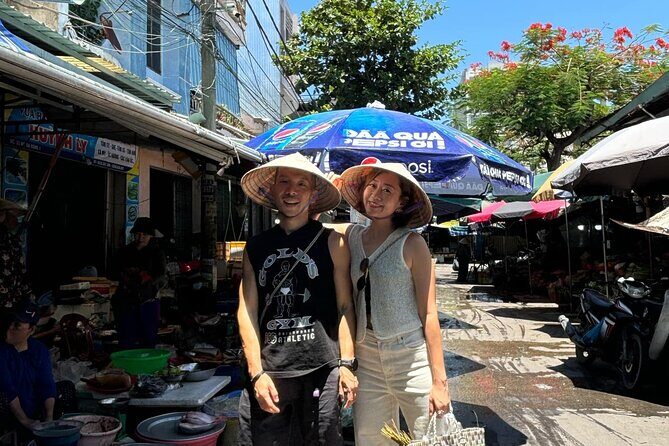
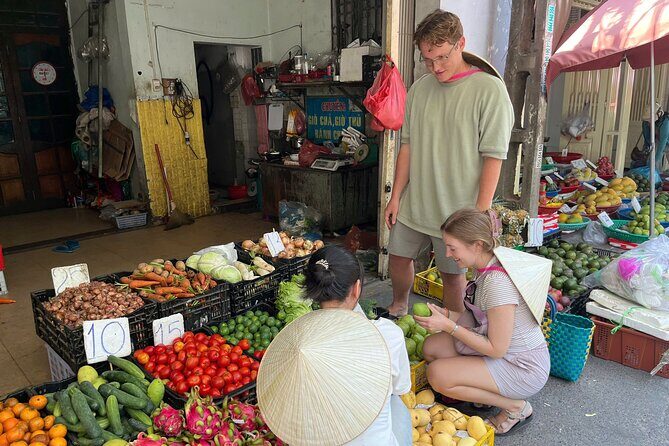
You’ll go to a local market with your instructor and select your ingredients for the dishes you’ll cook. Even if you’ve cooked Vietnamese food before, buying the ingredients locally changes the experience because it teaches you what matters and how vendors and locals think about food.
In practical terms, your instructor isn’t just showing you a grocery list. You’ll learn local ways of life while choosing what goes into your meals. That’s useful later, too. When you return home, you’ll have a clearer idea of what you’re trying to replicate rather than guessing from photos online.
And you’ll be doing more than looking. The market stop feeds directly into the next phase: coming back to the class to cook from scratch. That connection helps the class feel like one story, not two separate activities.
Five Famous Vietnamese Dishes Across Three Regions
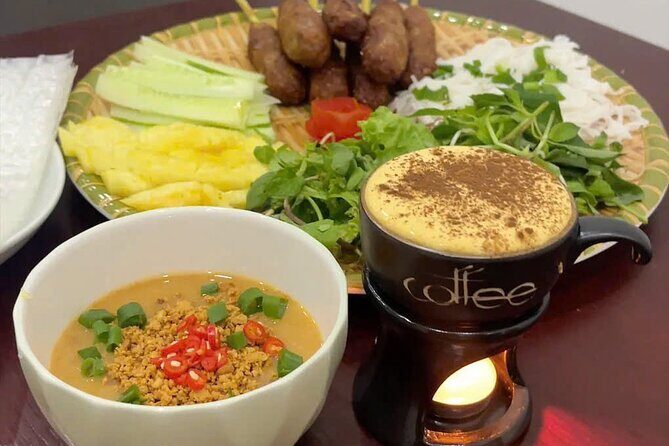
The class promises a path through all three regions of Vietnam via five famous dishes. That matters because Vietnamese cooking isn’t one style. North, Central, and South each have different tastes, ingredients, and “comfort” flavors.
What you’re really signing up for is variety without losing coherence. Instead of sampling random dishes, you cook a focused set that connects to where the flavors come from. The instructor also shares stories behind what you’re cooking, so you’re not memorizing steps only—you’re understanding the why.
You’ll also learn a touch of Vietnamese language as part of the cultural side of the class. Even if you only pick up a few basics, it adds texture. Food lessons stick better when they’re attached to real-world language and context.
The Chef-Led Cooking Lesson: From Scratch, No Guesswork
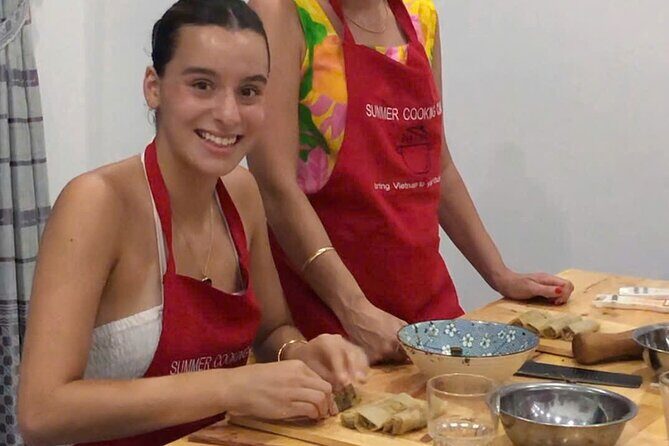
After the market, you’ll return to the class and start cooking your meals from scratch. You’ll work under the guidance of a Vietnamese chef, with instruction focused on what to do at each step and how to get the dish to taste right.
From a practical point of view, learning “from scratch” is a big deal. You’re not just assembling. You’ll be dealing with core techniques—mixing, cooking, seasoning, and building flavor—so you can recreate the results later without needing the same ingredients or exact equipment.
You’ll also get the dish histories and stories as you cook. That’s where the class becomes more than a food factory. It gives meaning to the flavors, the ingredients, and even the way certain dishes are traditionally served.
One of the most praised parts in the reviews is the leader and the vibe in the kitchen. People consistently highlight a fantastic leader with a good sense of humour, plus the simple fact that the food tastes great at the end. That combo matters because confidence grows fast when the teaching feels relaxed and clear.
What You’ll Eat, and Why It Feels Like More Than a Snack
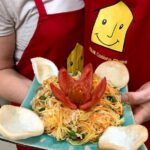
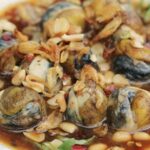
The class includes meals, and you get to enjoy your creations after cooking. The experience is built around the idea that you shop and cook for what you’ll actually eat together, not just for viewing or a quick taste.
That changes how you pay attention while cooking. You’re thinking like a cook, not like an observer. When you reach the table, you’ll understand your dish more because you built it, adjusted it, and shaped it.
And the reviews back up that payoff. The food at the end is described as delicious, with people pointing to the full flow: market, prep, cook, then eat.
You can also read our reviews of more tours and experiences in Da Nang
Certificate and Cookbook: Your Take-Home Vietnamese Toolkit
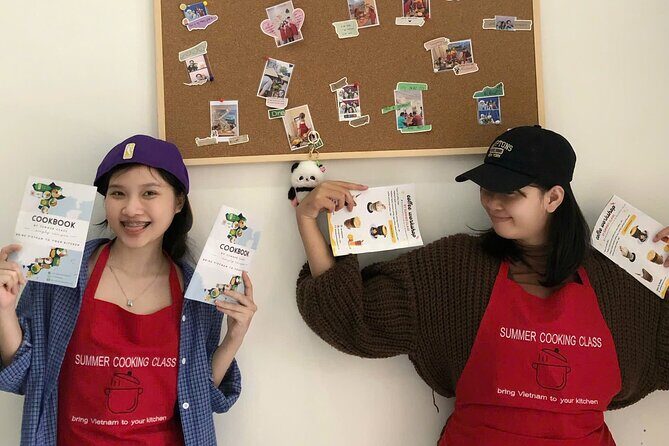
You’ll receive a certificate and a cookbook at the end of the class. The certificate is a nice keepsake, but the practical value is the cookbook. It gives you something to follow later if you want to recreate these dishes at home.
Even without going deep into kitchen training, a cookbook can help you avoid the common mistake: returning home and forgetting the sequence, the seasoning logic, or what made the dish taste balanced. With this class, you’ve already lived through the steps, so the written material becomes easier to use.
In short: you’re not leaving with a full stomach only. You’re leaving with tools.
Dietary Preferences and How to Plan Without Stress
The tour states that it caters to all dietary preferences and restrictions. That’s important because cooking classes can be difficult if you’re vegetarian, avoiding certain ingredients, or managing allergies.
Still, it’s smart to be practical when you book. If you have specific restrictions, you’ll want to communicate them clearly during the booking process so the class can adjust ingredients and preparation accordingly. The data here confirms flexibility, but the exact substitutions can depend on your needs.
If you’re unsure whether your restriction is supported, message the provider before you go. That simple step can save you from showing up and discovering the plan won’t work for you.
Group Size, Timing, and Why 3 Hours Is a Sweet Spot
Duration is about 3 hours. That’s long enough to shop, prep, and actually cook, but short enough that the class doesn’t drag.
A 3-hour format is also easier to fit into your Da Nang schedule. If you’re touring the city, you can still do other things before or after without needing a whole day. And because the experience ends back at the meeting point, you’re not left solving transport or logistics at the end.
The maximum of 16 travelers is another timing win. In small groups, instructors can keep the kitchen moving and still help people who need extra guidance. That’s part of why the reviews feel so consistently positive about leadership and the overall course flow.
Price and Value: What $36.09 Gets You in Da Nang
The price is listed at $36.09 per person. For a 3-hour market-and-cooking class, the value comes from what’s included: meals and all equipment at the class.
In most cooking setups, equipment and a guided market component are where costs sneak up. Here, you’re paying for the experience structure—market shopping with an instructor, chef-led cooking from scratch, and the cultural storytelling—while meals and equipment are already handled.
One more value point: mobile ticketing. It’s a small detail, but it reduces friction when you’re trying to stay on time.
The main cost you may need to account for outside the listing is getting there and back. Public transportation isn’t included, so factor that in when deciding what’s truly “cheap” versus “easy.”
Getting There: Meeting Point and Transport Reality
The start and end are the same location: 85 Phạm Quang Ảnh, An Hải Đông, Sơn Trà, Đà Nẵng. It’s marked as near public transportation, which should make arrival manageable for most people.
Still, since public transportation isn’t included, you’ll want to plan your route using your own transit option. Give yourself a little buffer so you don’t feel rushed before the market portion begins.
Also, because you’re arriving 10 minutes before the booking time, consider how you’ll manage shoes, bags, and anything you don’t want handling around food. Cooking time is active, so light and practical is the safest choice.
Who This Class Suits Best (and Who Might Skip It)
This experience fits best if you want more than a cooking demo. If you like learning how ingredients are chosen, not just how food is plated, the market start is a strong match.
It also suits people who value culture alongside cooking. The class includes the stories behind each dish and a touch of language, so you’re getting context, not only technique.
If you’re short on time but still want a hands-on food activity in Da Nang, the 3-hour duration is friendly. And if dietary needs matter to you, the class says it accommodates dietary preferences and restrictions.
You might consider skipping only if you strongly prefer to travel independently without group instruction, or if you don’t want to handle shopping, prep, and cooking within a single session.
Should You Book Danang Summer Cooking Class?
I’d book this class if you want an authentic Vietnam cooking experience that feels connected—from market choice to final meal. The five dishes, the chef-led from-scratch approach, and the ingredient picking are a powerful combo for building real skill, not just tasting food.
It’s also a good bet if you like an upbeat teaching style. The reviews emphasize a great leader, a sense of humour, and delicious results, which usually means you’ll learn faster and enjoy the process.
Just be ready to handle your own transport since it isn’t included. If you can get to 85 Phạm Quang Ảnh on time, you’ll get a lot out of this for the price.
FAQ
How long is the Cook 5 Dishes Authentic Vietnam Food and Market Adventure?
It’s approximately 3 hours.
Where does the class start and end?
The meeting point is 85 Phạm Quang Ảnh, An Hải Đông, Sơn Trà, Đà Nẵng, and the activity ends back at the same meeting point.
What’s included in the price?
Meals and all equipment provided at the class are included.
Do they accommodate dietary preferences or restrictions?
Yes, the class states it caters to all dietary preferences and restrictions.
Is public transportation included?
No, public transportation is not included. The meeting point is near public transportation, though.
How many people are in a group?
The tour/activity has a maximum of 16 travelers.