REVIEW · COFFEE EXPERIENCES
DaNang Farm-to-Table Cooking Class with Market and Coffee Tasting
Book on Viator →Operated by Jolie Danang Cooking Class · Bookable on Viator
Fresh herbs and coffee set the tone in Da Nang, with a small-group farm-to-table flow that links a vegetable walk, a market stop, and coffee tasting to the meal you cook.
I like that your guide team (such as Hannah and Blue) can switch between English and French, so you can ask questions while things are still fresh in your mind. I also like the low-stress setup: ingredients, equipment, transport during the experience, and refreshments are handled, which makes the $60 feel like real value.
One thing to consider: there’s no hotel pick-up, so you’ll want to plan how you’ll reach the start point at 9 Hàm Tử, Bắc Mỹ Phú, Ngũ Hành Sơn, Đà Nẵng.
In This Review
- Key things that make this class work
- Why this Da Nang farm-to-table lunch feels different
- Vegetable village: where the herbs make sense
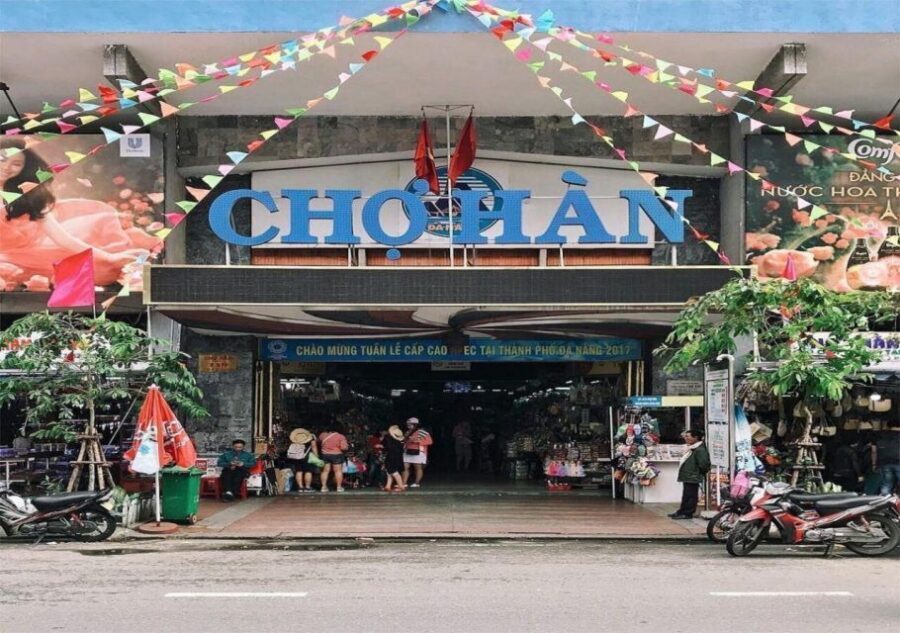
- Han Market shopping: learning what matters for Vietnamese flavor
- Vietnamese coffee tasting: a quick pause with real context
- The hands-on cooking class at a local home
- What you actually learn (so you can cook at home)
- Timing, group size, and how to plan your Da Nang morning
- Price and value: is $60 a good deal?
- Who this cooking class suits best
- Should you book it? My practical recommendation
- FAQ
- How long is the Da Nang farm-to-table cooking class?
- What is the price per person?
- What’s included in the experience?
- Is hotel pick-up or drop-off included?
- How big is the group?
- What language does the guide speak?
- Where does the tour start?
- What if I need to cancel?
Key things that make this class work
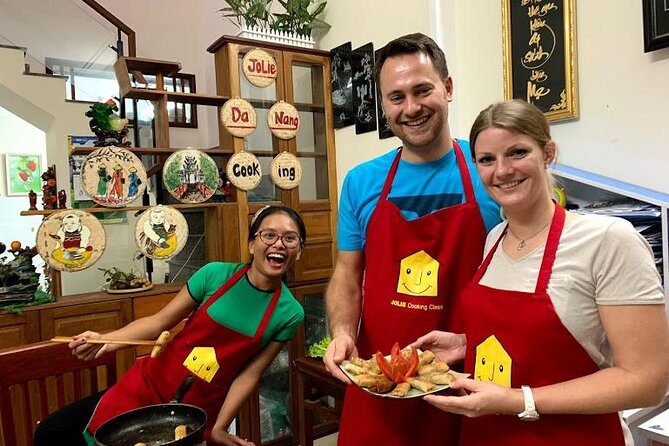
- Small-group cooking (max 10) means you get time for questions, not just a quick demo.
- Market skills you can reuse: you learn how to pick everyday ingredients the way locals do.
- Coffee tasting as part of the day, not a random add-on.
- A vegetable village start so you connect herbs and greens to flavor later in the meal.
- Hands-on instruction with equipment included, so you’re cooking from the first steps.
- Family-style meal at the end, with a full lunch made by you.
Why this Da Nang farm-to-table lunch feels different
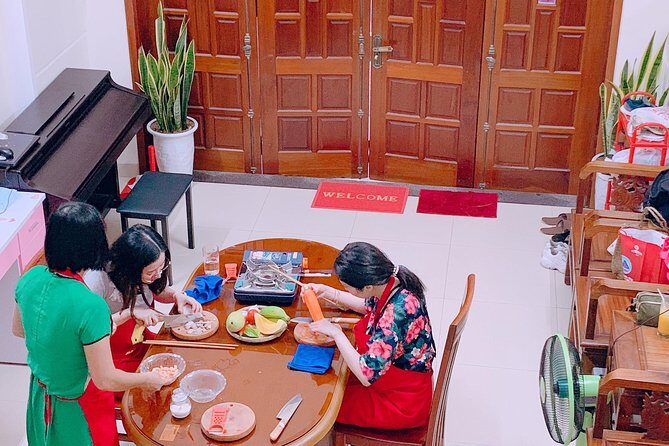
A good cooking class does more than teach recipes. It teaches decisions: what to buy, what to taste, and when to adjust. This Da Nang session is built around that idea, starting outdoors and ending at a local home for a step-by-step class and relaxed meal.
You start with a short walk to a nearby vegetable village. That matters because Vietnamese cooking leans hard on herbs, leaves, and fresh aromatics. If you only learn the final dish but never touch the ingredients, it’s easy to cook it wrong later. Here, you see how herbs and produce are grown before you ever chop.
The day also keeps momentum. You don’t spend hours in one room before cooking. You visit a market, take a Vietnamese coffee tasting break, then you head into the hands-on part. The structure is practical, and it helps you remember what you learned because you use it right away.
You can also read our reviews of more food & drink experiences in Da Nang
Vegetable village: where the herbs make sense
The morning begins with a walk to a vegetable village, where you’ll see how fresh herbs and produce are grown. This isn’t a lecture garden you stroll through for photos. It’s a quick, real introduction to the raw materials of Vietnamese flavor.
Here’s what you should watch for on this stop:
- Herb types and how they’re handled, bundled, or arranged.
- Leaves and greens that you’ll likely recognize later during cooking.
- The general freshness of produce, which affects how you use it (quick garnish vs. longer cook).
This part of the experience is one of the biggest reasons the class stays “farm-to-table” in spirit, not just in marketing. Vietnamese dishes often balance textures: crisp, soft, juicy, and aromatic. When you understand which herbs are used as fresh finishing touches, your finished plate tastes more like the real thing.
It also sets you up mentally. By the time you reach the market, you’re not just collecting ingredients. You’re shopping with purpose.
Han Market shopping: learning what matters for Vietnamese flavor
After the vegetable village, you head to a local market. This is where the day turns from scenic to useful. The focus is on essential ingredients you’ll see in everyday Vietnamese cooking, and you learn what to look for as you buy.
A market stop like this is valuable because Vietnamese cuisine isn’t built around complicated techniques. It’s built around correct ingredients and the right balance. That means your choices matter: fresh herbs that smell sharp and green, aromatics that aren’t bruised, and staples that hold up to cooking.
A few practical tips to get the most out of this market portion:
- Ask your guide to explain how an ingredient changes the finished dish. The guide team speaks English and French, which makes it easier to get clear answers.
- If you’re unsure, ask what you can swap at home. Even basic substitutions matter more than you’d expect once you start cooking.
- Pay attention to how vendors bundle or present herbs and greens. That’s often a clue about how they’re typically used.
Some classes also tie this shopping directly into your lunch ingredients. The result is that you cook with confidence, not guesswork.
Vietnamese coffee tasting: a quick pause with real context
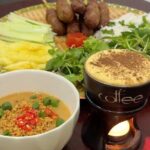
Before you head into cooking, you’ll enjoy Vietnamese coffee tasting. Even if coffee isn’t your main obsession, this stop is smart. Vietnamese food often runs on contrasts: hot and cold, bitter and sweet, light and aromatic. Coffee gives you another layer of understanding of how everyday taste preferences work in the region.
Think of the coffee break as a palate reset. It gives you a short moment to slow down, taste something local, and then re-focus before you start chopping and cooking.
What I like about including coffee here is timing. It happens before the kitchen work, so you’re not tasting while you’re distracted by heat, timing, or measuring. You can actually pay attention to flavors, then carry that awareness into the cooking session.
The hands-on cooking class at a local home
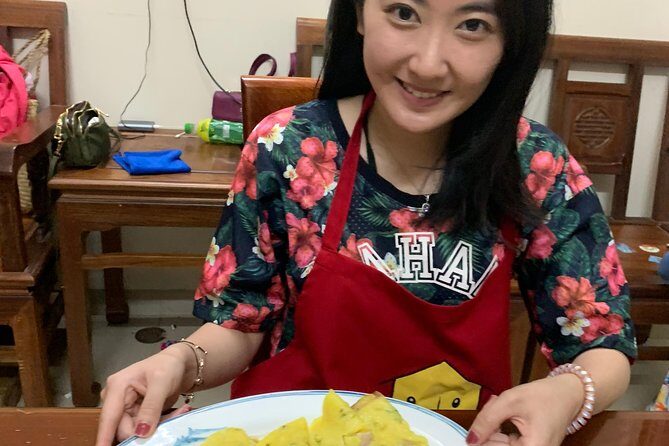
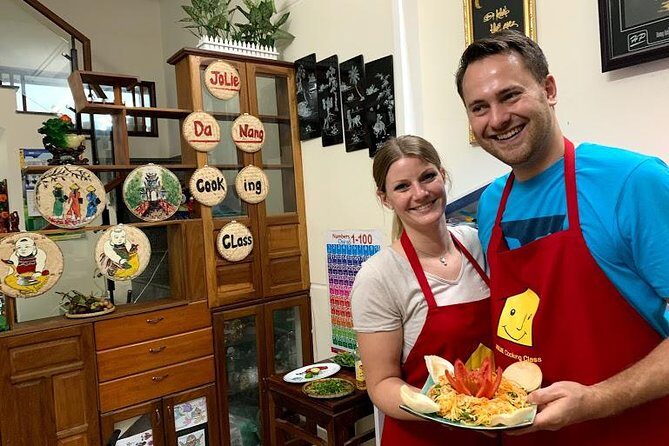
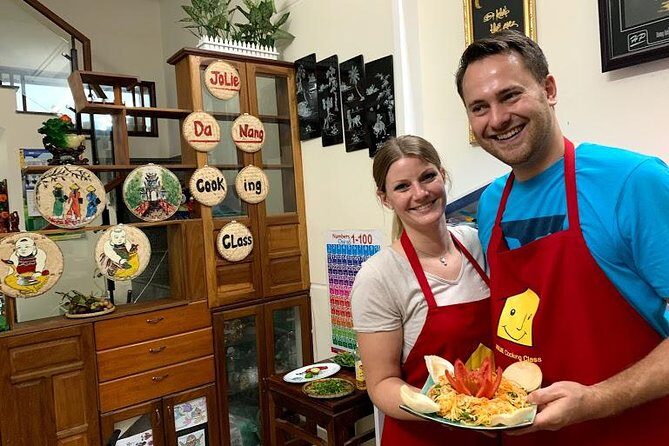
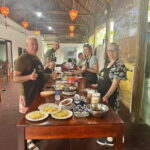
Once you’re done shopping and tasting, you head to a welcoming local home for the cooking class. This is the heart of the experience: step-by-step cooking instruction, then a relaxed family-style meal where you eat what you made.
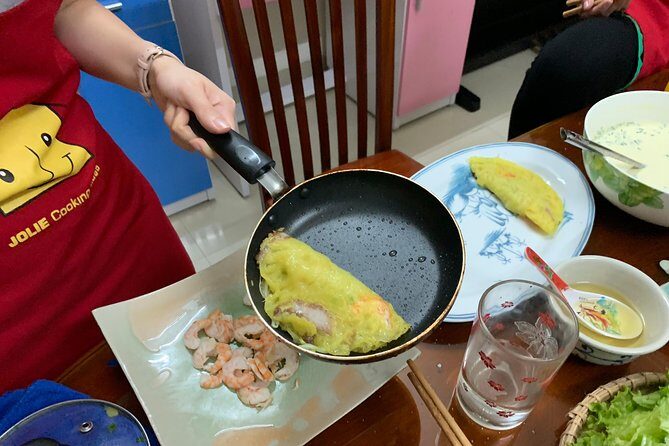
This format is a big part of the value. A live class helps you learn how Vietnamese dishes are built in stages: prepping herbs and aromatics, mixing seasoning components, assembling, then finishing with fresh elements. If you’ve ever tried to cook Vietnamese food from an internet recipe and wondered why yours tastes “almost,” it’s usually the timing and freshness. A hands-on class is where those details become obvious.
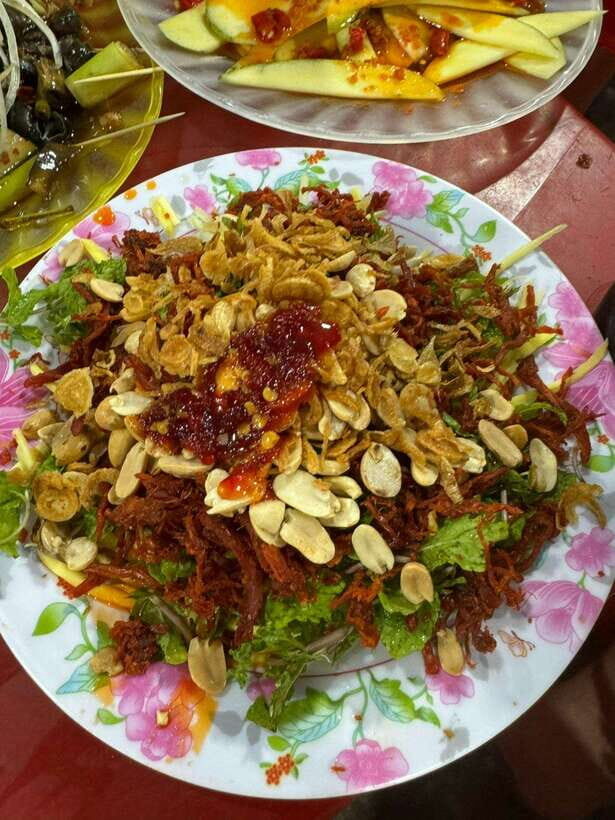
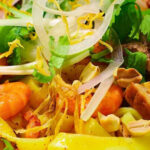
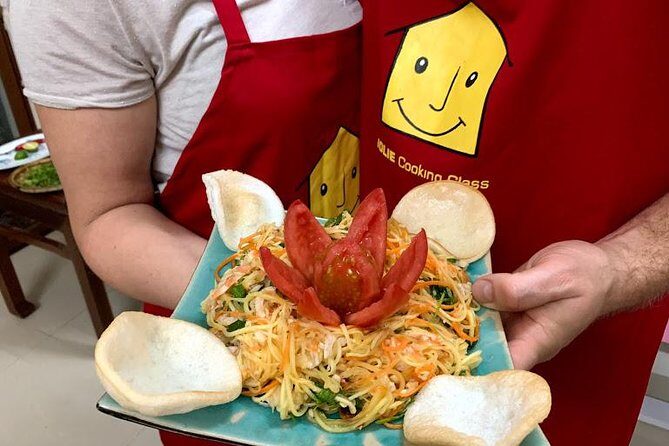
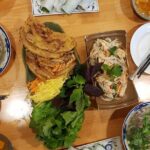
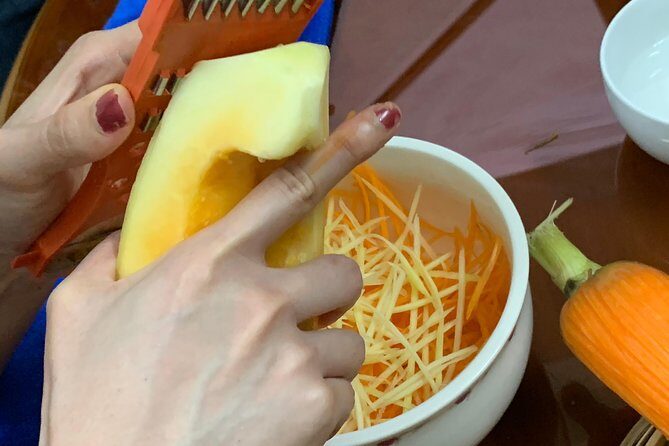
Based on the types of dishes cooked in sessions like this, you may work on items such as Pho Bo, papaya salad, pancake rolls, and aubergine hot pot. Don’t assume your menu will match perfectly every time, but the range gives you a sense of what the class teaches: both noodle soup and fresh salad, plus dishes built around texture and seasoning.
Here’s where the English/French instruction really helps. When a technique is happening in front of you, it’s easier to ask follow-ups. You also get clearer guidance on what to do if the flavor seems off, like adjusting balance during mixing or changing how you finish with herbs.
Equipment and all ingredients are included, so you’re not hunting for tools or buying extra items mid-day. Transportation during the experience is included too, which keeps the day from becoming a scramble between stops.
You can also read our reviews of more shopping tours in Da Nang



What you actually learn (so you can cook at home)
Cooking classes often stop at the meal. This one is designed to give you confidence to cook Vietnamese food after you go home.
The best part is that you learn more than one “trick.” You practice:
- Ingredient handling: how fresh herbs and greens are used for aroma and texture.
- Market-minded shopping: buying the right basics instead of only the most famous items.
- Flavor balancing: how sauces, seasoning, and fresh components work together.
- Basic assembly and finishing: the steps that usually fail when you cook from memory.
If you’re bringing this knowledge back to your kitchen, focus on the choices you made during the market stop. That’s what most home cooks skip. When you shop with the same logic, your results improve fast.
And because it’s a small group, you’re more likely to get specific feedback. That feedback can matter a lot in dishes where freshness and balance are the point.
Timing, group size, and how to plan your Da Nang morning
The tour runs about 4 hours 30 minutes. It’s short enough to fit into a travel day without stealing your whole schedule. You’ll start at 9 Hàm Tử, Bắc Mỹ Phú, Ngũ Hành Sơn, Đà Nẵng 550000, Vietnam and end back at the meeting point.
A mobile ticket is used, which is usually convenient for quick check-ins. The experience is also described as near public transportation, so you don’t have to rely on a hotel shuttle.
Planning note: hotel pick-up/drop-off is not included. If you’re staying outside the area, you’ll want to arrange your ride so you arrive on time. The good news is that the day is designed to include transportation during the experience itself, so you’re not stuck coordinating between the village, market, and home kitchen.
The group size limit is 10 travelers, which is excellent for a hands-on format. You’ll get more direct attention, and you won’t feel like you’re racing through the steps.
Price and value: is $60 a good deal?
At $60 per person, this class sits in a price range that can feel either high or fair, depending on what’s included. In this case, it’s fair because you’re not paying just for cooking instruction.
Your $60 is covering:
- Vegetable village and market visit
- Vietnamese coffee tasting
- Hands-on cooking class
- All ingredients and equipment
- Transportation during the experience
- The meal you prepare
- A small-group setup
When you add that up, it’s not just a kitchen session. It’s guided shopping plus a tasting plus a full lunch, with logistics handled. That’s why the experience tends to sell itself on value: you leave with something tangible (your lunch) and something transferable (how to buy and cook key Vietnamese components).
If you want a class where you leave knowing what to do next time you’re cooking at home, this structure makes sense for the money.
Who this cooking class suits best
This is a strong pick if you:
- Want to learn Vietnamese cooking beyond ordering food.
- Like hands-on instruction more than watching a demo.
- Enjoy markets and want ingredient skills you can use later.
- Prefer a smaller group setting with room to ask questions.
It’s also a good option for food travelers who don’t want a long day. The total time is about 4.5 hours, and the route is easy to understand: vegetable village → market → coffee tasting → cooking class and meal.
One more fit note: since the guide speaks English and French, it’s easier for a wider range of visitors to understand cooking steps and ask clarifying questions.
Should you book it? My practical recommendation
I’d book this Da Nang cooking class if your goal is to bring real Vietnamese cooking skills home. The mix of a vegetable village start, market ingredient learning, coffee tasting, and then a hands-on lunch is exactly the chain that helps the lesson stick.
Choose it with confidence if you’re excited to shop with a guide and cook in a local home setting, not just follow along in a classroom. The only real drawback is logistical: you’ll need to get yourself to the meeting point since hotel pick-up isn’t included.
If that works for your schedule and you’re looking for an experience that teaches you what to buy and how to build flavor, this is a solid $60 use of time in Da Nang.
FAQ
How long is the Da Nang farm-to-table cooking class?
The experience is about 4 hours 30 minutes.
What is the price per person?
It costs $60.00 per person.
What’s included in the experience?
It includes a vegetable village and market visit, Vietnamese coffee tasting, a hands-on cooking class, all ingredients and equipment, transportation during the experience, and the meal you prepare. It also includes a small-group experience.
Is hotel pick-up or drop-off included?
No. Hotel pick-up/drop-off is not included, and the tour ends back at the meeting point.
How big is the group?
The experience has a maximum of 10 travelers.
What language does the guide speak?
The guide speaks both English and French.
Where does the tour start?
The start is at 9 Hàm Tử, Bắc Mỹ Phú, Ngũ Hành Sơn, Đà Nẵng 550000, Vietnam.
What if I need to cancel?
You can cancel for a full refund up to 24 hours before the experience starts. If you cancel less than 24 hours before, the amount paid is not refunded.