REVIEW · DA NANG CITY TOURS
Da Nang: Half-day Journey To My Son Sanctuary
Book on GetYourGuide →Operated by Hoi An Express · Bookable on GetYourGuide
My Son Sanctuary is history you can walk through. In just about 5 hours, you’ll ride out of Da Nang to a UNESCO-listed Cham site tucked in a mountain valley, then explore it with an English-speaking guide who turns scattered ruins into a clear story.
What I love most is the way the guide keeps the visit moving—photo stop, guided walk, key context—without making it feel like a lecture. I also like that the timing and pacing fit real life in Central Vietnam: you’re not gone all day, but you still get a proper look at an important spiritual center. One watch-out: the site involves walking in heat, and it can get crowded at peak times, so you’ll want sunscreen and a steady pace.
The good news is that the trip often feels personal, especially on quieter departures. I’ve seen first-hand how guides like Hang, Eric, Michael, Snow, and Merk can shape the whole experience with clear explanations and good energy. If you’re expecting a perfectly effortless day with zero surprises, keep in mind that roads and routing can vary and you may have a little less time at specific spots than you hoped.
In This Review
- Key takeaways before you go
- My Son Sanctuary in 5 Hours: Why This Half-Day Works
- Getting There From Da Nang: Pickup, Drive, and Comfort
- First Look in the Valley: What You’ll See When You Arrive
- Guides Who Tell the Cham Story: Hang, Eric, Michael, Snow, Merk
- Temples Built, Burned, Rebuilt: The Architecture Timeline That Matters
- UNESCO Heritage and the Hindu Worship Link
- The Photo Stop and Walk: Heat, Crowds, and How to Pace Yourself
- Price and Value at About $50 a Person
- Who Should Book This My Son Half-Day—and Who Should Skip It
- Should You Book This Tour?
- FAQ
- How long is the Da Nang to My Son half-day journey?
- Where does hotel pickup happen?
- Is there an English-speaking guide?
- What’s included in the tour price?
- Do I need to pay entrance fees separately?
- Is this tour suitable for children?
Key takeaways before you go
- UNESCO My Son in a tight half-day: transport + guided time that actually feels worth it
- Guides in English who bring the Cham story to life (and can answer questions)
- A real walking portion (about 2 hours on-site), so plan for sun and comfortable shoes
- Architecture with scars: temples rebuilt after fire, tied to long-running Hindu worship
- Best timing matters if you hate crowds; early or afternoon can feel calmer
My Son Sanctuary in 5 Hours: Why This Half-Day Works
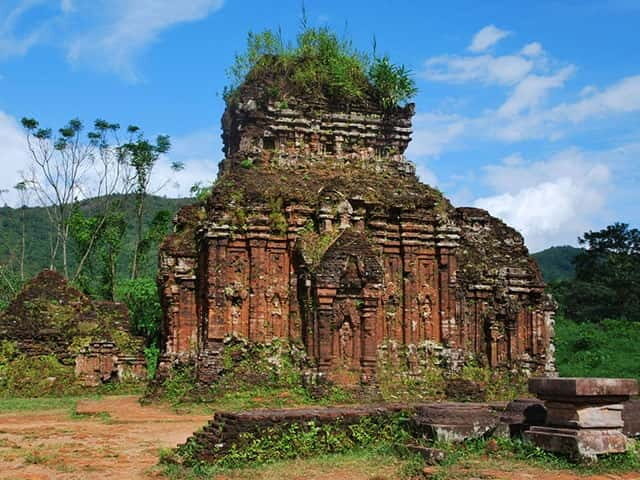
This is one of those tours that fits how most people actually travel in Da Nang. You’re looking at a short, focused outing: pickup, a drive to My Son, guided exploration, then back to town. That means you still have time for beaches, food, or a second plan the same day.
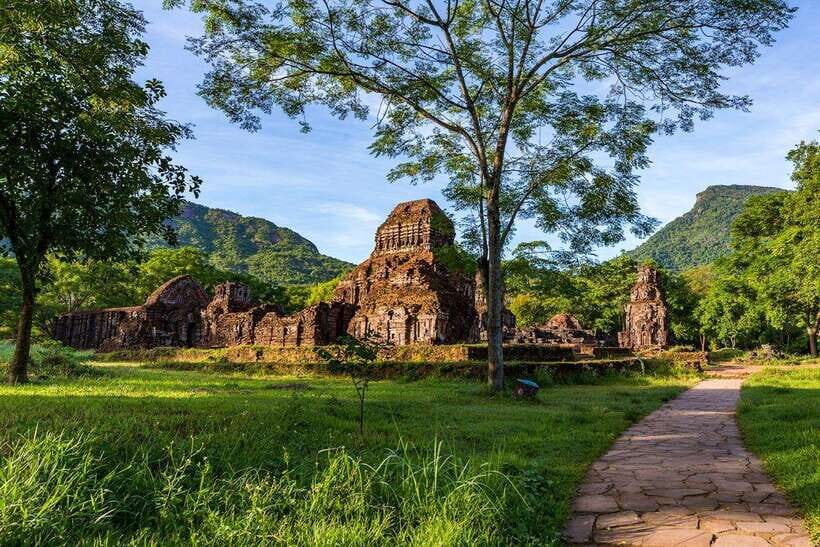
My Son itself is big on meaning even if it isn’t huge on size. It’s an ancient Champa Kingdom sanctuary set in a valley surrounded by mountain peaks, and it developed over ten centuries. In other words, it’s not just old buildings—it’s a place that changed, was destroyed, was rebuilt, and kept serving spiritual and political roles for a long time.
The half-day format helps because it keeps you from burning the entire day on transport. You’ll spend around 75 minutes each way by bus/coach, which is plenty of time to settle in. Then the tour gives you a concentrated block for photos and a guided walk (about 2 hours at the site).
You can also read our reviews of more tours and experiences in Da Nang
Getting There From Da Nang: Pickup, Drive, and Comfort
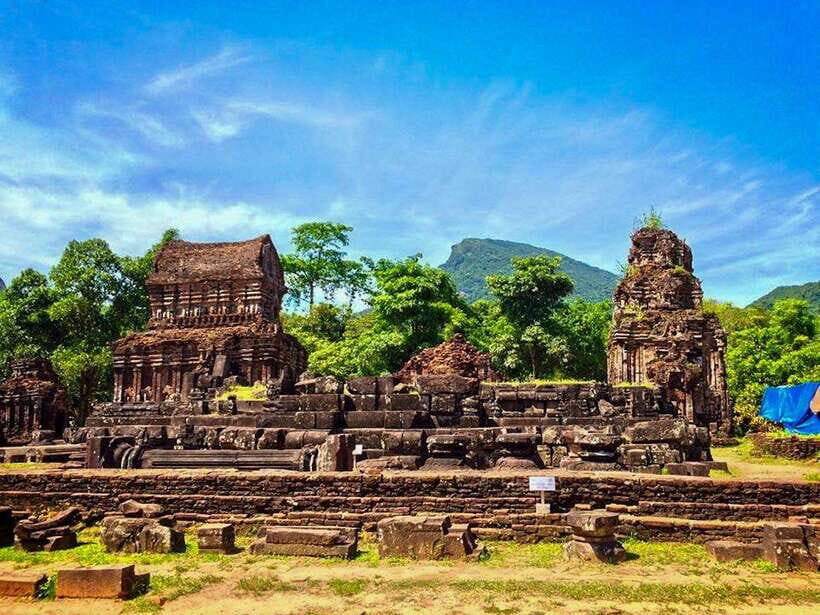
The tour starts with hotel pickup and drop-off in Da Nang City Center, with one exception: it doesn’t include pickups on the Son Tra Peninsula. If you’re staying on that peninsula, you’ll need to confirm whether there’s an alternate meeting point (the tour data only specifies the city-center coverage).
Once you’re onboard, the ride is straightforward. You’ll be on the bus/coach for about 75 minutes heading to My Son, and about 75 minutes on the return. The tour also includes bottled drinking water, which is a small detail that matters when the day is hot and you’re walking.
This kind of transport is useful if you don’t want to wrestle with directions or timing. You show up, get picked up, and the schedule does the heavy lifting. It’s also a good match if you want a guided context without having to plan your own route across central Vietnam.
First Look in the Valley: What You’ll See When You Arrive
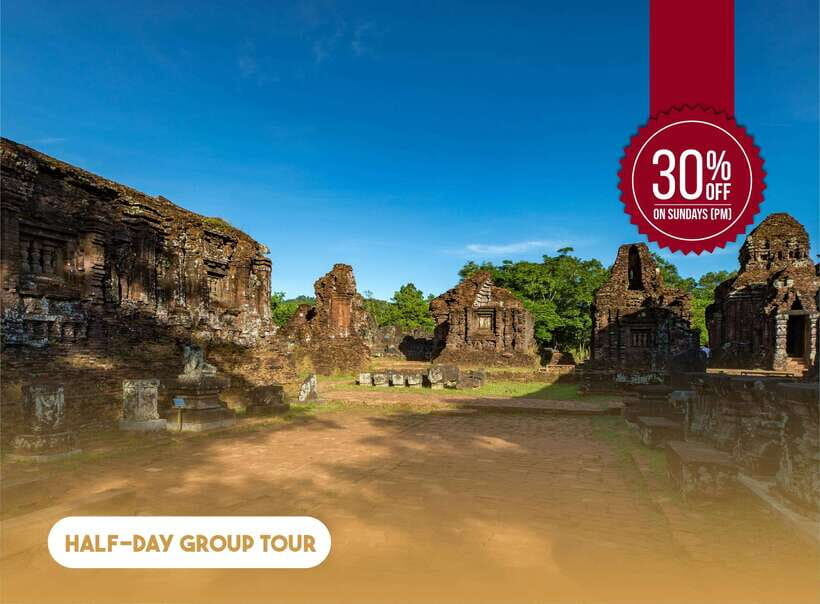
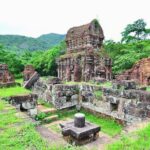
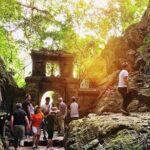
My Son doesn’t announce itself like a city monument. It hits you like a secret: a valley setting, surrounded by peaks, with temple towers and ruins spread through the site. The tour usually begins with a photo stop, which gives you a quick chance to frame the ruins before you start walking and learning.
Then you’ll move into the guided portion: visit + guided tour + sightseeing + walk. Even though it’s a “half-day,” this isn’t just a drive-by. The point is to help you spot what makes the place special—the layout, the building styles, and the clues that explain how the sanctuary functioned.
If you care about photos, the timing matters. In the best case, you’ll get your first good angles before the thick crowd energy kicks in. Some departures feel calmer if you can choose an afternoon option, and early arrival can also help.
Guides Who Tell the Cham Story: Hang, Eric, Michael, Snow, Merk
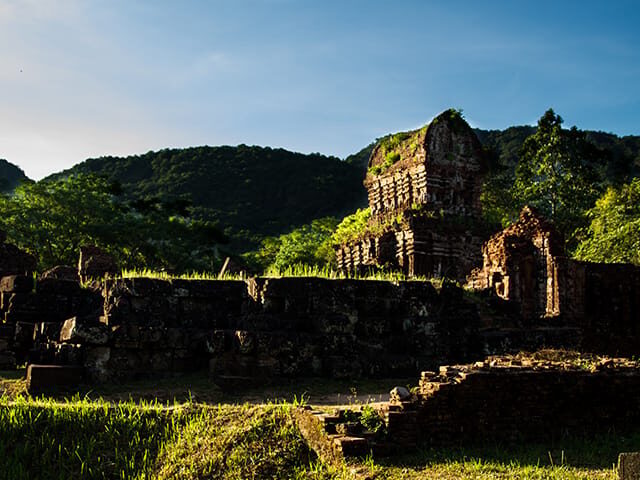
The guide is the difference between seeing ruins and understanding what you’re looking at. This tour is built around an English-speaking guide (with other languages available on request for a surcharge). In practice, that means you can actually follow the story instead of guessing.
What stood out in guide-led experiences I’ve heard about:
- Hang is praised for being warm and genuinely happy to show people around, with explanations that feel like real conversation.
- Eric stood out for thoughtful touches like giving time to apply sunscreen on a very hot day, plus clear explanations.
- Michael gets credit for being engaging and bringing history to life in a way that doesn’t feel dry.
- Snow is described as helpful and supportive, making it easier to ask questions during the walk.
- Merk is noted for delivering strong guidance during the core visit time.
Even when the group is small, the guide’s job is the same: point out what to notice and keep you oriented. If you’re traveling as a couple, or you want space to ask questions without feeling rushed, this tour style can feel surprisingly flexible.
Temples Built, Burned, Rebuilt: The Architecture Timeline That Matters
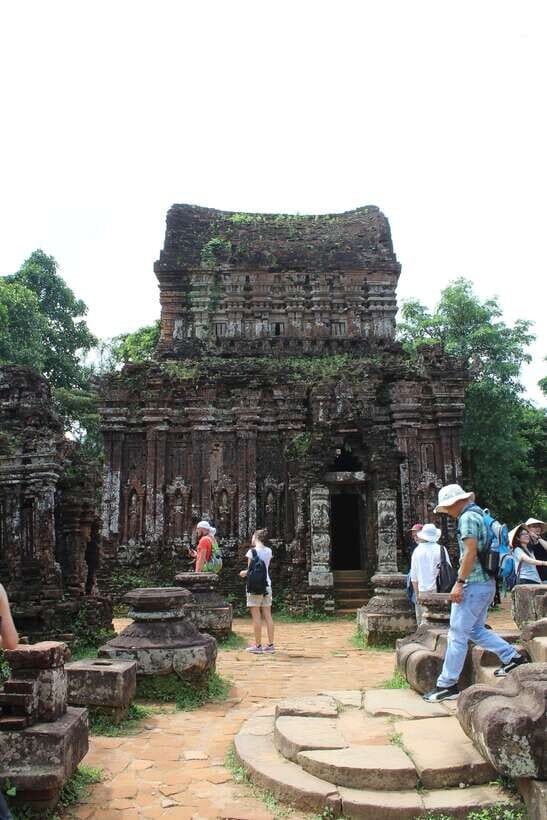
My Son’s power comes from its timeline. You’re not just looking at one era—you’re seeing layers of construction and change. Here’s the key story you’ll hear on the ground:
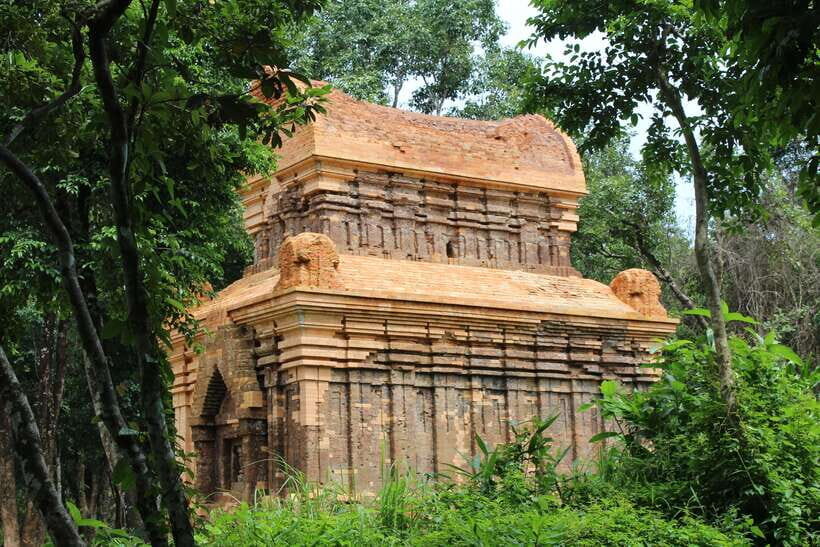
The sanctuary was originally built with wood, and then it suffered a major destruction by fire in the 6th century. After that, it was restored in the 7th century by Sambhuvarman, who rebuilt the temples using locally made bricks. That shift matters because it helps explain why the surviving structures look the way they do today.
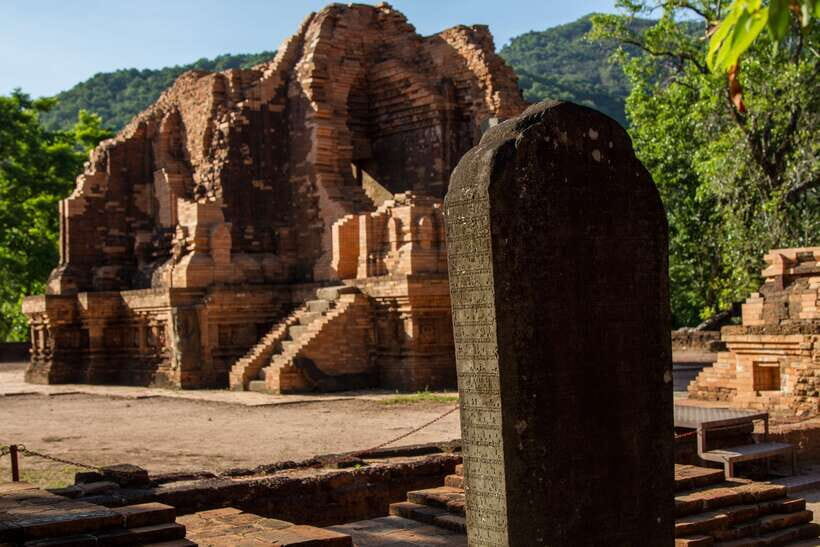
As archaeologists uncovered artifacts, you’ll also learn about written evidence indicating the site was used for offerings and Hindu worship. Letters found during excavations point to worship of the Hindu god starting in the 4th century. In other words, even before the surviving brick temples, the sanctuary was already playing an important religious role.
By the 13th century, the site had grown into a major complex: more than 70 similar temples were constructed. So when you’re standing among the ruins, you’re seeing what was once a large spiritual center, not a small roadside stop.


UNESCO Heritage and the Hindu Worship Link
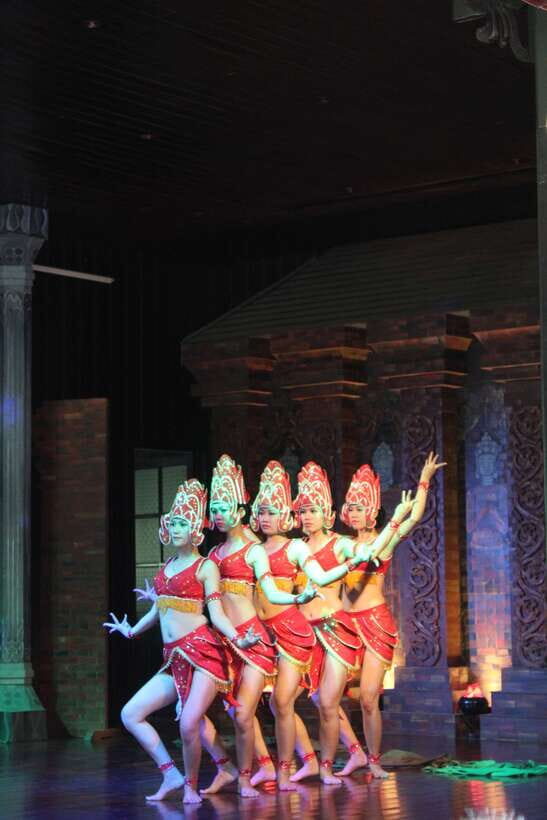
UNESCO recognized My Son as a World Heritage Site in 1999, and the “why” is tied to more than age. This is a sanctuary ensemble that developed over ten centuries, showing how spiritual life and political power intertwined in the Champa Kingdom.
You’ll also get the Hindu worship context. The site is linked to Hindu practices since the 4th century, and your guide will connect that to what the sanctuary was built to do. Even if you’re not a history or religion scholar, the interpretation helps you see the ruins as functional spaces—places for offerings, worship, and ceremonial activity—rather than just decorative stone.
That matters because UNESCO sites can sometimes feel like a list of facts. Here, the facts connect to your real experience: you look at a structure, then understand the purpose behind it. It’s the difference between collecting landmarks and getting the meaning.
The Photo Stop and Walk: Heat, Crowds, and How to Pace Yourself
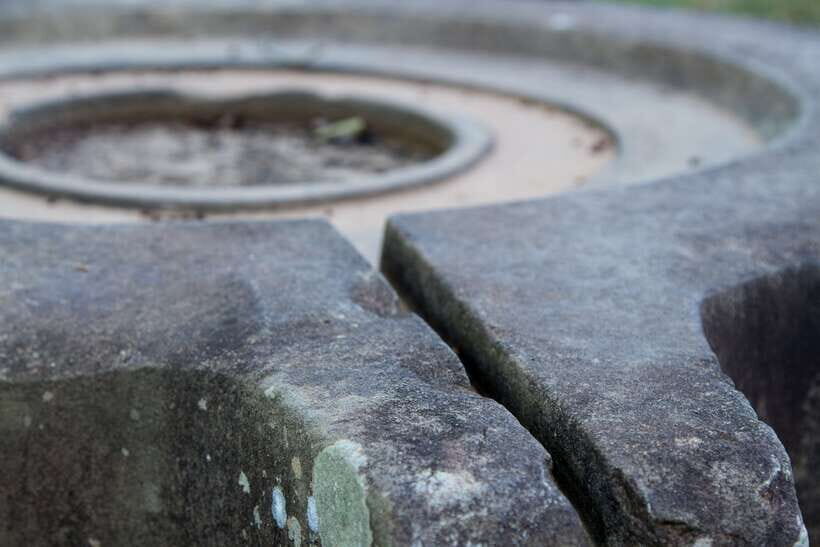
The tour includes walking during the guided segment—about 2 hours on-site. That’s long enough to make your legs notice, but not so long you feel stranded. Still, in Central Vietnam’s sun, it can feel intense, especially if the day is warm and you’ve been sitting in a vehicle beforehand.
A few practical pointers that can make a big difference:
- Wear comfortable shoes with grip. You’ll be moving through uneven ground around ruins.
- Bring sunscreen and reapply. One guide (Eric) was specifically praised for giving time for sunscreen on a hot day.
- If you’re sensitive to heat or crowds, pick your timing wisely. Some people recommend afternoon departures because they can be less crowded, while early arrival can help you beat peak groups.
Also, be realistic about what you want from the site. Some departures include a short cultural program element, and one experience described it as unnecessary. If that kind of stop doesn’t interest you, focus on the guided walk and the architecture explanations—the core value is the My Son sanctuary itself.
Price and Value at About $50 a Person
At $50 per person, this tour looks simple on paper. The real value comes from what’s included versus what you’d likely pay for yourself.
Included items that add up:
- Hotel pickup and drop-off (from Da Nang City Center)
- Transport by bus/coach for the round trip (about 75 minutes each way)
- Entrance fees
- English-speaking guide
- Bottled water
- Travel insurance
If you tried to DIY this, you’d still need transport and likely pay entrance fees, plus you’d spend time coordinating your own guide or spending a lot of effort trying to understand what you’re looking at. Paying for an English guide is often the difference between “cool ruins” and “I get what this place is about.”
So yes, it’s not free. But it’s a price that buys you structure, context, and a stress-free half day.
Who Should Book This My Son Half-Day—and Who Should Skip It
This tour suits you if:
- You want an easy, guided introduction to My Son without planning logistics
- You like history explained clearly, with time for photos
- You’re short on time in Da Nang but still want a meaningful UNESCO visit
- You’re traveling as a couple or small group and appreciate flexibility
It’s also family-friendly in policy terms. The tour data says it’s suitable for children: 1 child can be accompanied by 1 adult, while a second child pays the adult price.
You might consider a different plan if:
- You’re expecting a long, deep, slow exploration. The walk is about 2 hours, so you’ll have less time than a full-day tour.
- Heat and walking can be rough for you. You’ll still be outside during the guided segment.
- You want something more modern or beach-focused for the day. My Son is about ancient sacred architecture and interpretation, not nightlife or shopping.
A half-day works best when you treat it like a focused chapter, then let the rest of the day be for relaxing.
Should You Book This Tour?
If you want a guided UNESCO experience without losing a whole day to transit, I think this is a strong choice. The mix of included transport, entrance fees, bottled water, and an English guide makes it feel organized and fair, and the on-site time is long enough to get past the “seen it, moved on” stage.
Pick it especially if you’ve got limited time in Da Nang or you’re the kind of traveler who likes to understand what you’re photographing. Just plan for sun and a real walking portion, and if you hate crowds, consider choosing a timing that feels calmer for you.
If you want my simple rule: book it when you want context + a practical half-day schedule. Skip it if you’d rather spend all your time on the coast and save ancient sites for when you can go slower.
FAQ
How long is the Da Nang to My Son half-day journey?
The total duration is about 5 hours, including pickup, travel time, and the guided visit.
Where does hotel pickup happen?
Pickup and drop-off are included for Da Nang City Center. The tour data notes an exception: it does not include pickups on the Son Tra Peninsula.
Is there an English-speaking guide?
Yes. The tour provides a live English-speaking guide. Other languages are available upon request with a surcharge.
What’s included in the tour price?
Included are hotel pickup and drop-off, transportation, entrance fees, bottled drinking water, an English-speaking guide, and travel insurance.
Do I need to pay entrance fees separately?
No. Entrance fees are included as part of the tour.
Is this tour suitable for children?
It’s suitable for children. The policy says 1 child can be accompanied by 1 adult, and a 2nd child pays the adult price.