REVIEW · DA NANG SPA & MASSAGE
Shiatsu Massage
Book on Viator →Operated by Panda Spa · Bookable on Viator
Your sore muscles want a hands-on reset. This Japanese-style shiatsu in Da Nang is built around acupressure—thumbs, fingers, palms, and even elbows—aimed at acupuncture points on the body. I like the clear, practical focus on pressure and muscle work, and I also like the value: a 1-hour session for about $23.70.
One thing to consider: it’s done indoors in a room, so if you’re sensitive to noise or you notice coughing in the space, it can affect your ability to fully relax. Still, you can manage this by communicating what you need (temperature, quieter timing, comfort level) on arrival.
This is a private setup through Panda Spa, starting and ending at the meeting address on Nguyễn Văn Thoại. With hours running from 10:00 AM to 10:00 PM, it’s an easy add-on after sightseeing, beach time, or a long day on foot.
In This Review
- Key highlights to know before you go
- Japan-Style Shiatsu in Da Nang: What It Is and Why It’s Worth Your Time
- Finding Panda Spa: Meeting at 229 Nguyễn Văn Thoại
- The 60-Minute Flow: What Happens During the Session
- What Shiatsu Should Do to Your Neck, Shoulders, and Tight Muscles
- Pressure, Comfort, and the Strength Factor (So You Don’t Walk Out Stiff)
- Indoor Spa Reality Check: Noise and Coughing Concerns
- Price and Value in Da Nang: Is $23.70 a Good Deal for 60 Minutes?
- Who Should Book This Shiatsu at Panda Spa (And Who Might Skip)
- Should You Book Shiatsu at Panda Spa?
- FAQ
- How long is the shiatsu massage?
- What does it cost in Da Nang?
- Where is the meeting point for this activity?
- What are the opening hours?
- Is this a private session?
- Do I get a ticket on my phone?
- What kind of massage technique is this?
- Is it suitable for most people?
- When will I receive confirmation?
- What is the cancellation policy?
Key highlights to know before you go
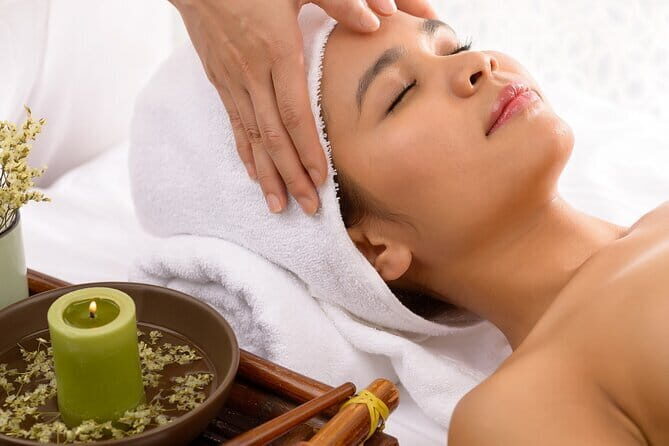
- Thumb-to-tendon acupressure: pressure with thumbs, fingers, palms, and elbow work
- Fingertip focus: energy is described as landing on acupuncture points via fingertips
- Real “muscle pain and cramps” goal: meant to help with muscle tension and discomfort
- Private 60-minute session: only your group, so you can keep it focused
- Great price for the time: about $23.70 per person for roughly an hour
- Panda Spa convenience: near public transportation and easy to fit into your day
Japan-Style Shiatsu in Da Nang: What It Is and Why It’s Worth Your Time
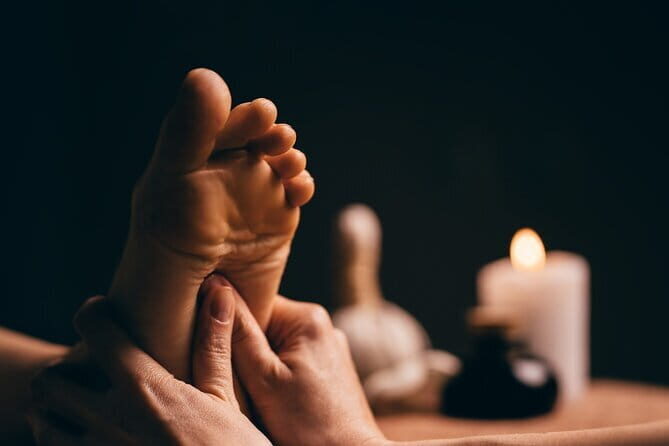
Shiatsu is one of those therapies that sounds simple until you’re under the hands. The core idea is acupressure: the technician uses repeated pressure and rhythm—rubbing and kneading—on muscles and pressure points. In practice, that means you’re not just getting a soft “spa massage.” You’re getting targeted work designed to help circulation and ease muscle aches, cramps, and tension.
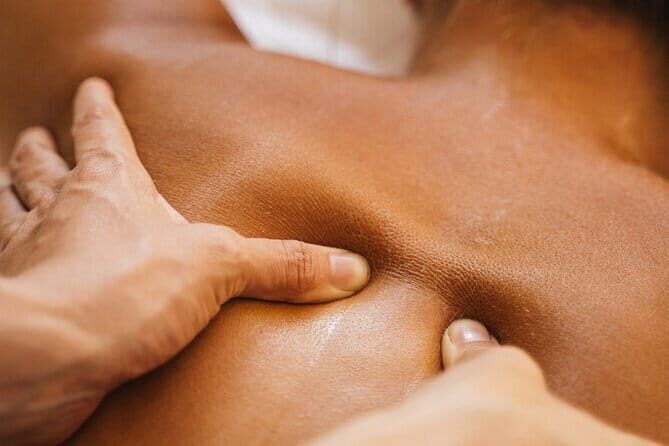
At Panda Spa in Da Nang, the treatment is framed around pushing pressure through specific body areas. The technician presses with the thumb, and also uses other fingers, the palm, and even an elbow when stronger leverage makes sense. The session also emphasizes the role of fingertip pressure on acupuncture points, which is a big part of why shiatsu is often chosen for neck, shoulder, and general body tightness.
The big reason I’d recommend this type of massage while you’re traveling? Your body gets weird when your routine changes. One day you’re walking more than usual. Another day you’re sleeping in a different bed. A third day you’re sitting differently on buses or tours. Shiatsu is built for those “new travel aches.”
You can also read our reviews of more tours and experiences in Da Nang.



Finding Panda Spa: Meeting at 229 Nguyễn Văn Thoại
Your experience begins at 229 Nguyễn Văn Thoại, Phước Mỹ, Sơn Trà, Đà Nẵng 550000, Vietnam. It’s also listed as being near public transportation, which matters in a city where having easy access can save you time.
Because the activity ends back at the meeting point, you don’t need to plan a long route afterward. The whole thing is designed like a simple “go in, reset your body, go back out” stop on your day.
Practical tip: give yourself a few extra minutes to arrive. Shiatsu works best when you’re not rushing at the door. If you’re hot, sweaty, or stressed from getting there, take a moment outside first—slow breaths for 30 seconds counts.
The 60-Minute Flow: What Happens During the Session
This is a private massage/activity, about 1 hour long (approx.). The technician will guide the process as the work starts, but the session structure is essentially one main block: hands-on acupressure pressure, done through a mix of rubbing, kneading, and sustained pressing.
Here’s what you can expect based on how this shiatsu is described:
- Pressing techniques: pressure with the thumb, plus support from fingers, palm, and elbow
- Point-based focus: the session claims fingertip pressure helps stimulate acupuncture points
- Muscle work: the goal includes relieving muscle pain and cramps
- Circulation support: the therapy is meant to help blood circulation through pressure and movement
In a private format, you’re not competing with a group’s schedule. That often means the therapist can concentrate on your stated trouble spots, especially if you arrive already feeling specific tightness.
If you’re doing this as a recovery move, timing helps. I like it after a day when your shoulders and neck have had to do a lot of work—photo taking, long walks, carrying bags, or just being slightly tense without noticing.
What Shiatsu Should Do to Your Neck, Shoulders, and Tight Muscles
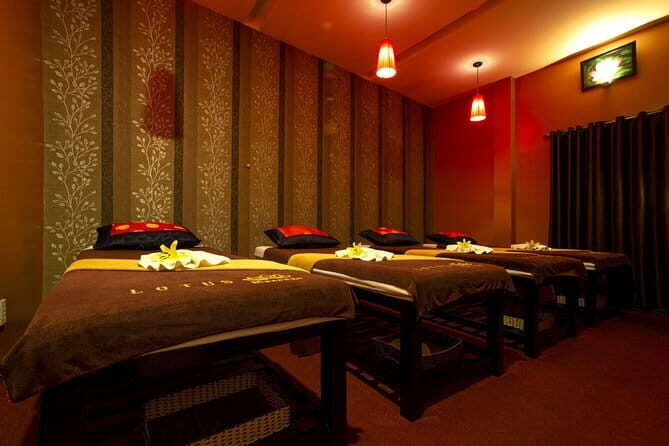
Shiatsu in this setting is positioned for exactly the kind of travel discomfort most people end up with: muscle pain, cramps, and general tightness. The mechanism they describe is pressure-based stimulation of acupuncture points, with the fingertip focus acting as a key part of the method.
Why that matters to you:
- If your neck and shoulders are tense, shiatsu’s repeated pressing and kneading can reduce that stuck feeling.
- If you’ve been getting stiffness from sitting or movement, the circulation-and-muscle focus may help you feel looser afterward.
- If cramps show up when your body is tired, the emphasis on muscle relief is the whole point of choosing this therapy.
Also, the technician uses different tools. Sometimes you want the direct, focused force of a thumb. Other times, the palm and elbow give you broader pressure that can move tight areas along a muscle line. That mix is often what makes shiatsu feel more “effective” than one-note stretching.
Small expectation-setting note: shiatsu can be intense. It shouldn’t feel like harm, but it’s often described as strong enough to matter. If you prefer very light pressure, say so early. If you want results, you’re probably going to land closer to medium-to-firm.
Pressure, Comfort, and the Strength Factor (So You Don’t Walk Out Stiff)
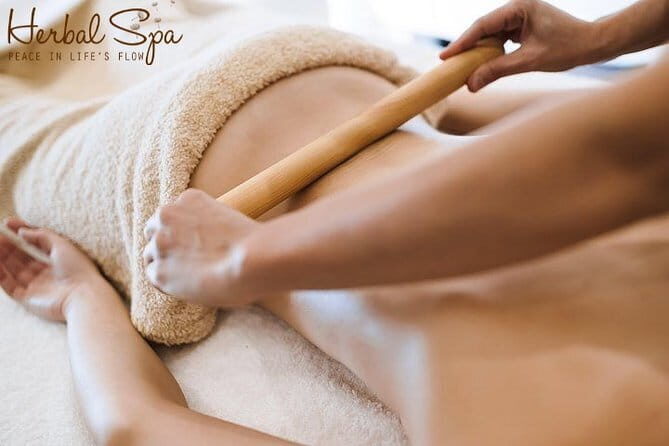
One of the most praised parts of this experience is the feeling that the massage is professional and strong enough to actually do something. That’s a good sign for effectiveness, but it’s also the main reason you should pay attention to your comfort level.
Here’s how to handle it:
- Start by communicating the areas you want worked most (neck, shoulders, general tight spots).
- If pressure feels too much, speak up right away. The goal is relief, not endurance.
- If it feels too light, ask for a firmer approach—shiatsu is built around pressure.
A helpful mindset: treat the first few minutes as calibration. A good therapist adjusts to your response. You don’t need to tough it out silently.
And because this is a private session, it’s usually easier to ask for changes on the spot than in a shared group setting. That’s not a luxury detail—it’s practical value.






Indoor Spa Reality Check: Noise and Coughing Concerns

Not every massage room is quiet. This one happens indoors, and that can matter if you’re the type who relaxes only when the space is calm.
There’s a reported concern about a therapist or worker coughing in a closed room, which understandably makes someone feel uneasy. Another message response in connection with that issue says staff wasn’t ill and that adjustments to comfort (like air temperature) were made to help the guest feel better.
So how do you protect your experience?
- If the room feels too cold or too hot, mention it early. Temperature changes can affect comfort fast.
- If you hear coughing or feel uncomfortable, you can ask the staff to check ventilation or take a moment before continuing.
- If you’re sensitive to sounds, choose a time when you’re less likely to be tired or distracted.
This isn’t about fear. It’s about control. You’re paying for a body-reset session. You deserve the right environment to actually benefit from it.
Price and Value in Da Nang: Is $23.70 a Good Deal for 60 Minutes?
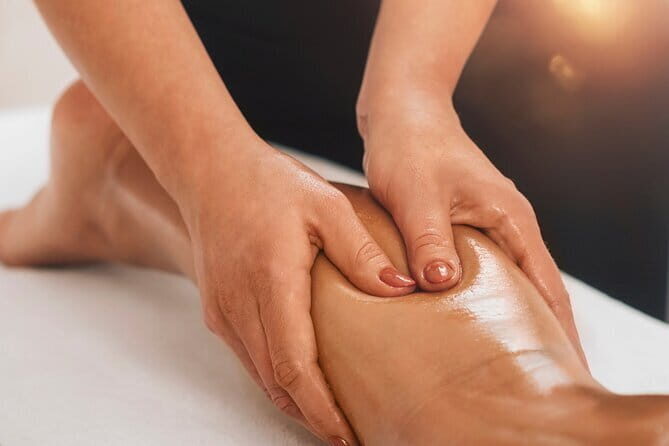
At about $23.70 per person for roughly 1 hour, the value is the standout. You’re paying for a full, hands-on session with a technique designed around acupressure points and specific pressure methods, not just a generic rubdown.
Here’s how I think about value:
- If you leave feeling looser in the neck/shoulder area or with less tension in your muscles, the session is doing its job.
- If you go in with clear expectations (pressure-based relief), you’re less likely to feel disappointed.
- Private time helps—your session doesn’t compete with other people’s needs.
What would make it less of a deal? If you strongly dislike strong pressure, or if you need perfect quiet to relax. But if you’re open to firm work and you communicate comfortably, this kind of session tends to deliver a high payoff per dollar.
One more point: mobile ticketing is often the kind of small convenience that makes the whole experience smoother. You don’t need extra paperwork. You just show up ready to start.
Who Should Book This Shiatsu at Panda Spa (And Who Might Skip)
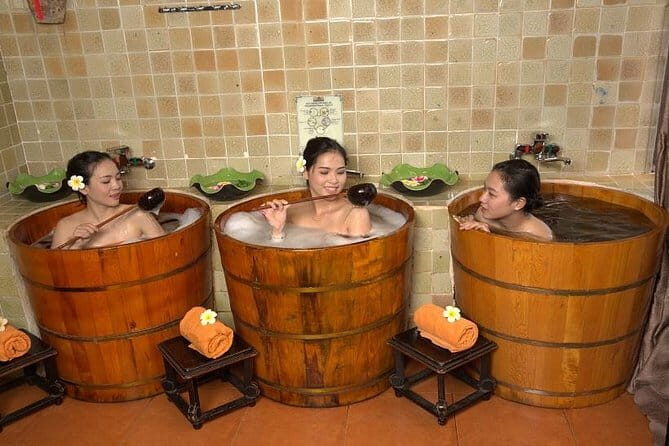
I’d target this experience if you:
- Want targeted relief for neck and shoulder tension
- Like therapy that uses real pressure and body work
- Prefer a private session where your attention stays on your own comfort
- Are trying to balance sightseeing with recovery
You might skip it or choose carefully if:
- You have a strong preference for very gentle massage only
- You’re highly sensitive to indoor sounds
- You’re uncomfortable with the idea of firm acupressure-style pressing
If you’re unsure, think about what you want most right now. Do you want soothing? Choose something softer. Do you want your tight muscles to stop arguing with you? Shiatsu is one of the more direct tools.
Should You Book Shiatsu at Panda Spa?
If your body is tight from travel, this is an easy yes. The technique is built around pressure and acupressure points, the session is about an hour, and the price is low enough that you can fit it into a normal travel day without guilt. The experience also has a clear reputation for professional work and strong, effective sessions.
Book it if you want practical relief for neck, shoulders, and muscle tension. Skip it if you need only light touch or if indoor noise would ruin your ability to relax. And if anything in the room feels off—temperature, sound, comfort—say something early. You’re in control of how the session lands.
FAQ
How long is the shiatsu massage?
It lasts about 1 hour.
What does it cost in Da Nang?
The price is $23.70 per person.
Where is the meeting point for this activity?
Meet at 229 Nguyễn Văn Thoại, Phước Mỹ, Sơn Trà, Đà Nẵng 550000, Vietnam.
What are the opening hours?
It runs daily from 10:00 AM to 10:00 PM.
Is this a private session?
Yes. It’s private, and only your group participates.
Do I get a ticket on my phone?
Yes, it’s listed as having a mobile ticket.
What kind of massage technique is this?
It’s shiatsu, a Japanese therapy focused on acupressure using rubbing, kneading, and pressing. The technician may use thumbs, fingers, palm, and elbow, with fingertip pressure aimed at acupuncture points.
Is it suitable for most people?
It’s listed as suitable for most travelers to participate.
When will I receive confirmation?
Confirmation is received at the time of booking.
What is the cancellation policy?
Free cancellation is available if you cancel at least 24 hours in advance for a full refund. Changes within 24 hours aren’t accepted, and late cancellations aren’t refunded.