REVIEW · COFFEE EXPERIENCES
Da Nang: Coffee Making And Cooking Class
Book on GetYourGuide →Operated by Jolie Cooking Class · Bookable on GetYourGuide
Coffee, slow-brewed, and worth lingering. This Da Nang experience turns Vietnamese coffee culture into a hands-on ritual, starting with phin filter brewing and moving into tasting egg, salt, and coconut coffees. I especially like the way you get both the coffee lesson and the Da Nang cooking portion in one smooth 4.5-hour stretch.
One consideration: the tasting comes with real coffee power, so plan around caffeine (and it is not suitable for people with heart problems). If you show up wired from your own caffeine stash, you’ll miss part of the point.
In This Review
- Key things I’d center in your planning
- Brewing Vietnamese coffee the slow way, with a phin filter
- Egg, salt, and coconut coffee: more than three flavors
- From coffee to cooking: you actually make the food
- The rhythm of the day: a 4.5-hour plan that doesn’t feel rushed
- What you’ll learn, in plain terms
- Where to meet and what to bring
- Who this class suits best (and who should think twice)
- The real value of paying around $50
- Should you book Jolie Cooking Class in Da Nang?
- FAQ
- What is the duration of the Da Nang Coffee Making and Cooking Class?
- How much does the experience cost?
- What time does the class run?
- What coffee types will I learn and taste?
- Do I learn how to use the phin filter?
- What will I cook during the class?
- Is the instruction available in English?
- What should I bring?
- Is the class suitable for children?
- Is it wheelchair accessible, and is it safe for everyone?
Key things I’d center in your planning
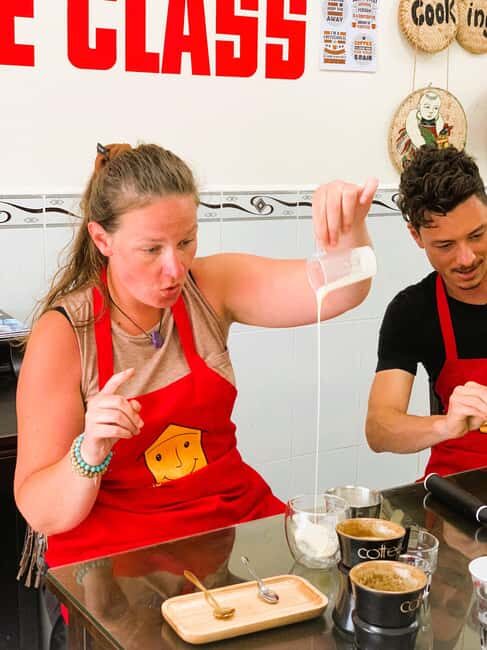
- Phin brewing with your own hands: you practice the slow-drip method and taste right after.
- Egg, salt, and coconut coffee tastings: you learn the stories behind each style, not just how to pour.
- Cooking Da Nang dishes in a home-style setting: you’re not watching only—you’re chopping and cooking.
- Small group feel: the class is set up for a more personal experience rather than a lecture hall vibe.
- A built-in “meal you made” moment: you enjoy what you cook instead of rushing on to the next stop.
- Guides who teach in English: Rosie, Nhan, and Kate are mentioned for clear English and a friendly tone.
Brewing Vietnamese coffee the slow way, with a phin filter
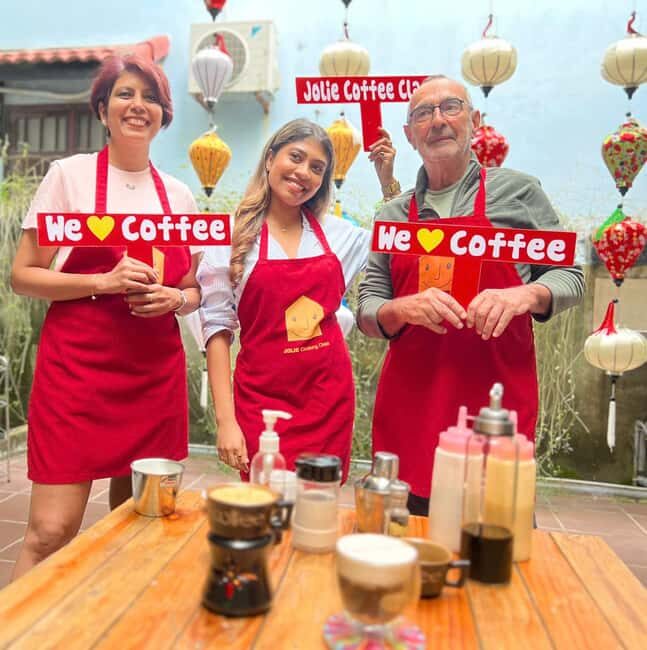
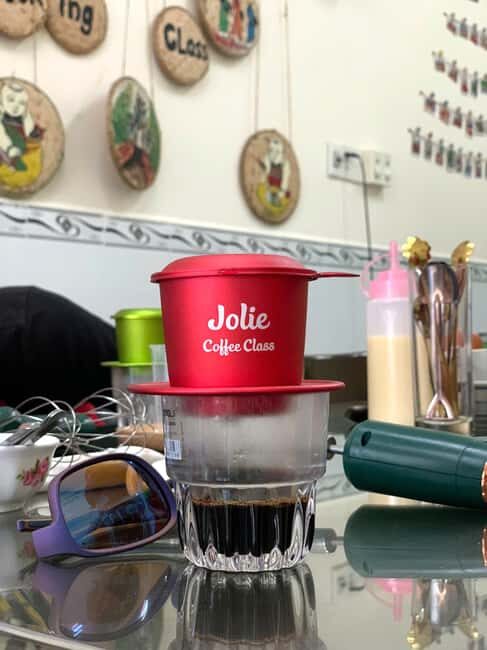
Da Nang has a coffee identity, and this class treats it like something you should actually learn to do—not just drink. The core of the workshop is the slow-brewing ritual using a phin filter, which is a big part of why Vietnamese coffee tastes the way it does.
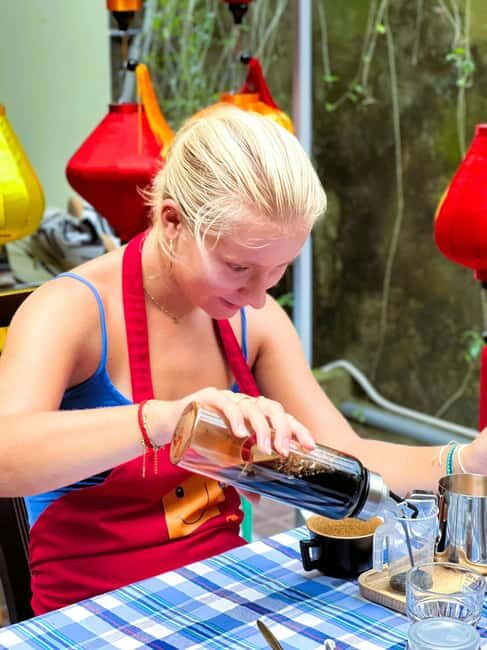
You start by meeting your host at Jolie Cooking Class, 14 An Trung Dong 6, near the Dragon Bridge area. After a local snack, you shift into coffee mode. The setup is designed so you don’t just hear about the process—you do it. That hands-on approach matters, because Vietnamese coffee brewing is the kind of skill where watching doesn’t fully explain the feel, timing, and attention.
The class also points out the importance of Robusta beans and how the filter plays into the final cup. Even if you’re not a coffee nerd (and you don’t have to be), you’ll come away with a clearer sense of why this method became a café ritual in Vietnam.
You can also read our reviews of more cooking classes in Da Nang
Egg, salt, and coconut coffee: more than three flavors
If you only go for the names, you’ll still have fun. But the better reason is the stories and context behind each coffee style, tied directly to Vietnamese coffee culture. This is where the workshop feels more “Da Nang” than generic.
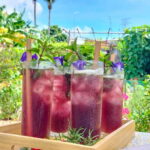
You taste egg coffee, salt coffee, and coconut coffee as part of the same brewing-and-tasting flow. Each one is presented with its own background, so you’re not left asking why one cup tastes different. The tasting part is also spaced so you can compare without feeling rushed.
Practical tip: don’t show up over-caffeinated. The class recommends not consuming too much caffeine before the session so you can actually enjoy the tasting. I get it—Da Nang is a caffeine-friendly city—but this is one of those experiences where being too jacked up makes everything blur.
And yes, you’ll likely end up liking more than one style. The point isn’t to pick a favorite from marketing hype. It’s to understand what you like and why.
From coffee to cooking: you actually make the food
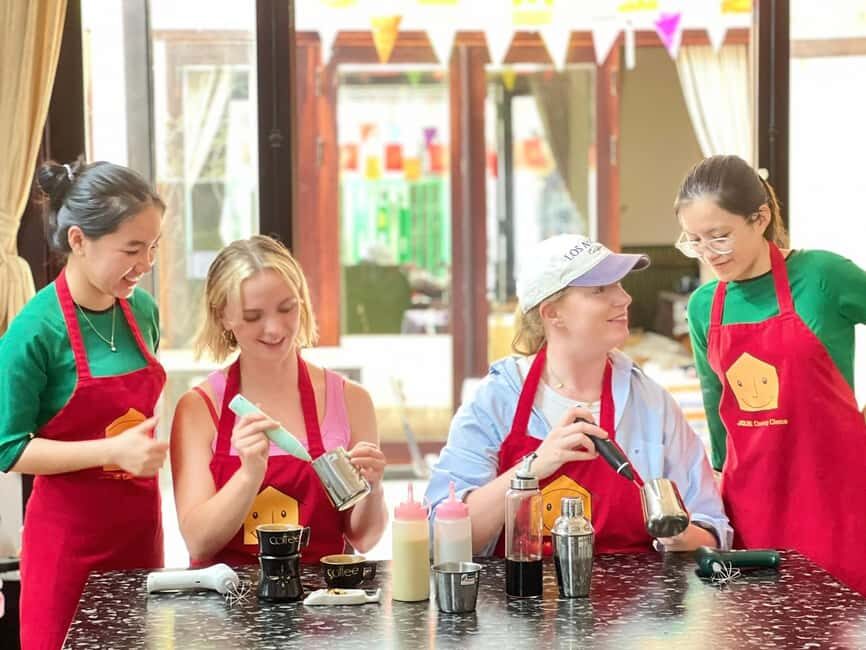
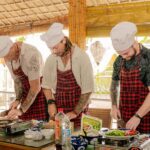
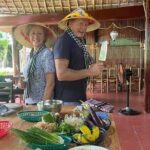
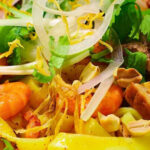
The second half is where this class earns its keep. At Jolie Cooking Class, you don’t just taste coffee and move on. You cook, guided through the steps in a welcoming, home-style kitchen.
The timing gives you a clear break between coffee and cooking. In the morning session, cooking starts around 10:30 AM. In the afternoon session, it starts around 4:00 PM. Either way, you’re ready to switch from sipping and comparing cups to chopping ingredients and building dishes.
From the experience format, you should expect the full process: learning what to do, doing it step by step, and working through the prep yourself. One big positive in the feedback is how people describe learning through hands-on technique—right down to chopping the ingredients. That detail matters because Da Nang cooking is about practical steps, not abstract theory.
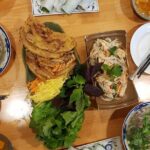
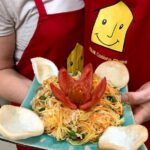
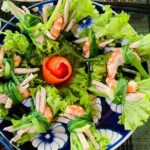
What dishes you make isn’t spelled out in the info provided here, but you can count on traditional Da Nang dishes and the chance to eat what you cook. You’ll get to enjoy your meals around 1:00 PM (morning class) or 6:30 PM (afternoon class). That meal-yourself moment is one of the best “value for your time” features of this tour.
The rhythm of the day: a 4.5-hour plan that doesn’t feel rushed
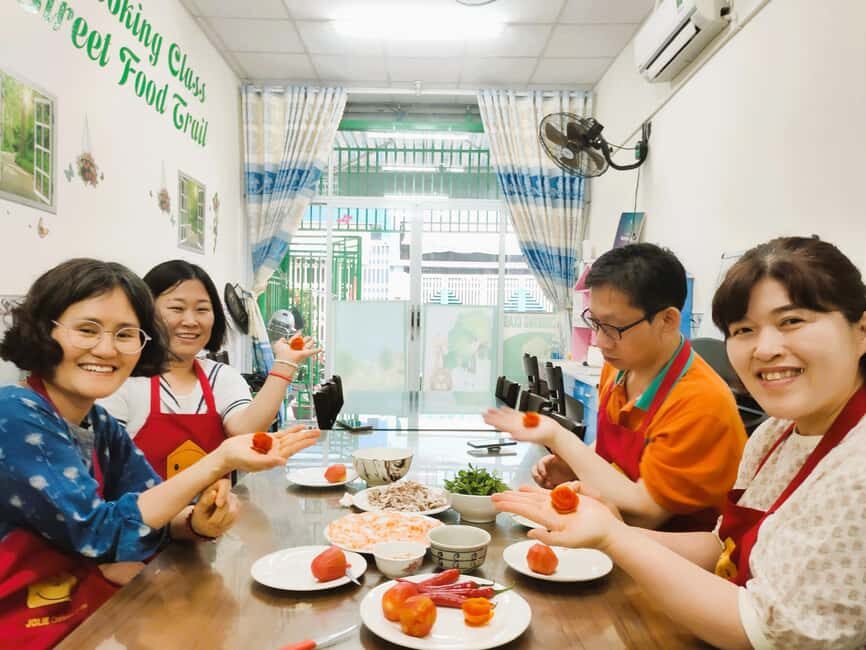
This is a 4.5-hour experience with two daily start times: 8:30 AM and 2:00 PM. The structure is simple, and that’s a compliment. There’s a beginning, a hands-on coffee block, a cooking block, then you eat what you made and head back.
Here’s how the flow works in real-life terms:
- You meet your host and begin with coffee culture context, plus a local snack.
- You do the phin brewing and taste multiple coffee styles.
- Then you switch gears to cooking and start making your dishes.
- Finally, you sit down for a meal you prepared yourself.
- Afterward, there’s even room for a bit of fun—if you can, you can play guitar or piano—before returning to your accommodation.
The big benefit of this rhythm: you don’t have to “mentally reset” every 20 minutes. The experience gives you enough time to focus, taste, and learn without turning into a production line.
What you’ll learn, in plain terms
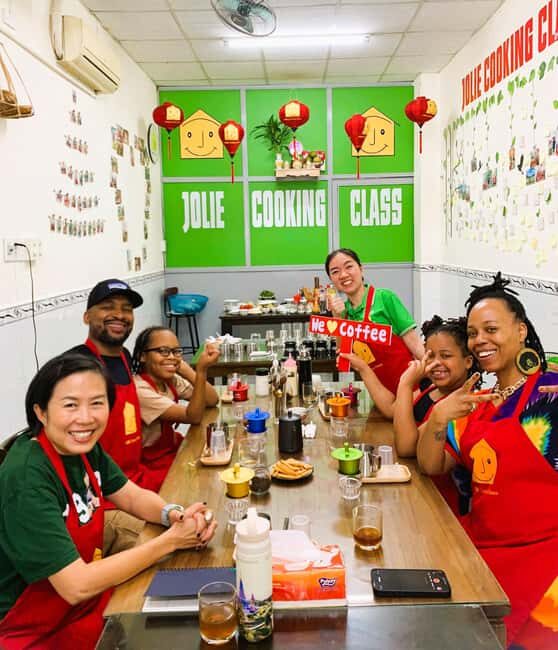
This class is built around the key ideas behind Vietnamese coffee and the skills to reproduce them. The most useful learning pieces are the ones that translate into something you can do later.
You’ll learn about:
- How Robusta beans fit into Vietnamese coffee
- The role of the phin filter in slow brewing
- The coffee tradition behind the slow-drip café ritual
- The stories behind the main tastings: egg, salt, and coconut coffee
- How to cook traditional Da Nang dishes in a guided, step-by-step way
Also, the instruction is in English, and multiple people highlight that guides such as Rosie, Nhan, and Kate explain things clearly. If you’re traveling solo or with a small group, English-led classes like this reduce that nervous feeling of not keeping up.
You can also read our reviews of more tours and experiences in Da Nang

Where to meet and what to bring
Meeting point is Jolie Cooking Class, 14 An Trung Dong 6, Da Nang, near Dragon Bridge. For practical navigation, that location is a win because Dragon Bridge is a known landmark area in Da Nang.
Bring a camera. That’s the official suggestion, and honestly, you’ll want photos of the brewing process and the kitchen-made meal. Wear comfortable clothing—you’ll be standing, chopping, and moving around a cooking setup, even if it’s not physically intense.
If you’re caffeine-sensitive, take the class’s advice seriously. Skip a heavy caffeine intake beforehand so the tasting session stays enjoyable.
Who this class suits best (and who should think twice)
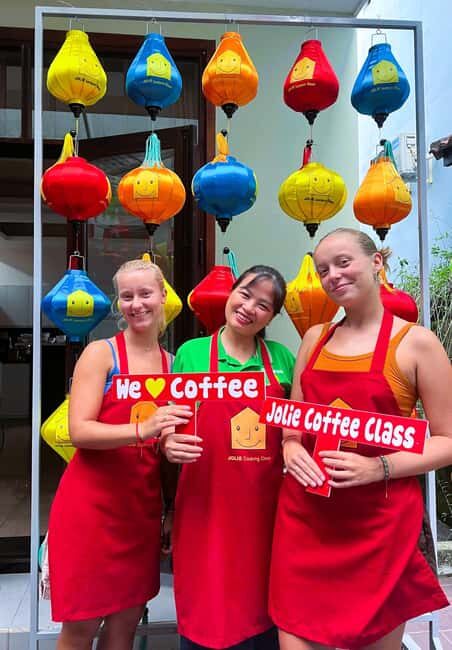
This is a great fit if you want a cultural activity that’s hands-on and practical. You’ll probably enjoy it most if you like:
- Coffee rituals and learning how something is made
- Trying local specialties without feeling like you’re on a rushed tour
- Cooking that includes actual prep work, not just watching
It’s also described as small group, which tends to make the experience feel less like a scripted show.
Who should think twice:
- The info says it is not suitable for people with heart problems.
- If you hate the idea of tasting multiple coffees, you might find it a lot. The point is comparison, so you’ll be drinking more than one style.
And it’s children friendly, so families can consider it, as long as everyone handles the coffee-tasting side comfortably.
The real value of paying around $50
At about $50 per person for 4.5 hours, you’re paying for more than coffee. You’re paying for a structured class that includes:
- Slow-brewing practice with a traditional method (phin filter)
- Tasting three coffee styles (egg, salt, coconut)
- Guided cooking of traditional Da Nang dishes
- Eating the meal you cook
- English instruction and a small-group setup
If you compare this to doing coffee tastings on your own plus a separate cooking class, you’ll often end up spending similar or more while missing the single, unified flow. Here, the value comes from learning two connected skills—coffee culture and cooking—inside one session.
Should you book Jolie Cooking Class in Da Nang?
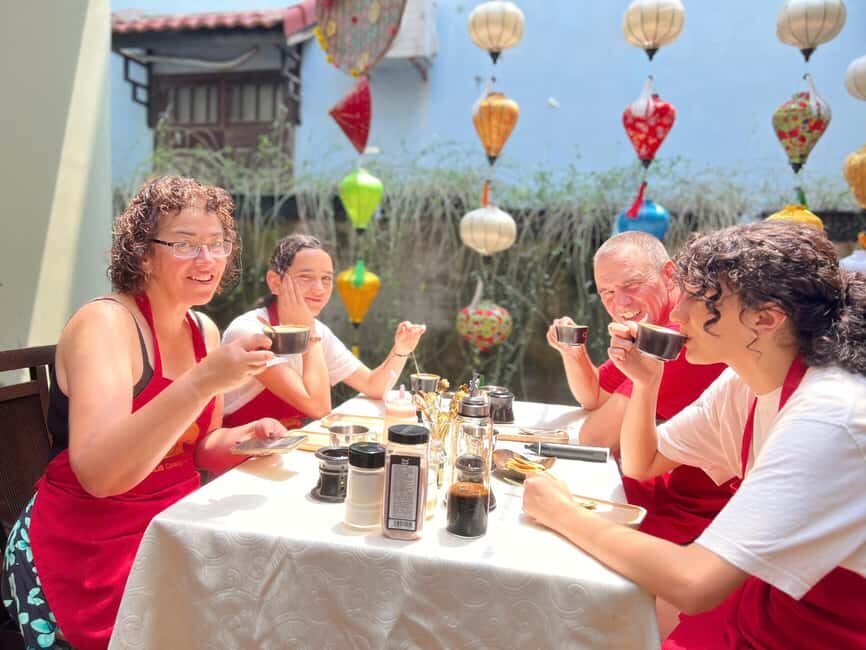
Book it if you want a Da Nang experience that is practical, friendly, and genuinely interactive. This isn’t just about tasting. You learn the phin brewing ritual, you try egg/salt/coconut coffee, and you cook and eat traditional Da Nang dishes in a home-style kitchen.
Skip it (or choose carefully) if coffee tasting is a deal-breaker for you, or if you’re dealing with a heart condition. If caffeine is your comfort zone, though, this is an easy recommendation for your trip—especially if you want one afternoon (or morning) activity that gives you both skills and good food.
FAQ
What is the duration of the Da Nang Coffee Making and Cooking Class?
The class lasts 4.5 hours.
How much does the experience cost?
The price is $50 per person.
What time does the class run?
There are two start times: 8:30 AM and 2:00 PM.
What coffee types will I learn and taste?
You’ll learn about and taste Vietnamese coffee types including egg coffee, coconut coffee, and salt coffee.
Do I learn how to use the phin filter?
Yes. The class includes hands-on brewing with a traditional phin filter.
What will I cook during the class?
You’ll cook traditional Da Nang dishes in a welcoming, home-style setting.
Is the instruction available in English?
Yes, the instructor teaches in English.
What should I bring?
Bring a camera.
Is the class suitable for children?
Yes, it’s described as children friendly.
Is it wheelchair accessible, and is it safe for everyone?
It is wheelchair accessible. It is not suitable for people with heart problems.