REVIEW · COFFEE EXPERIENCES
Da Nang Coffee Making Workshop
Book on Viator →Operated by Da Nang Home Cooking Class · Bookable on Viator
Vietnam runs on coffee time. This workshop turns that ritual into a real, hands-on lesson. You’ll learn the history and culture behind Vietnamese coffee, plus how tea philosophy fits into the same everyday life.
I especially like that you do the work, not just watch. You get the tools, a tea welcome drink, and you make and taste your own Vietnamese coffee creations with a small group. A possible drawback: there’s no pick-up or drop-off, so you’ll want to get yourself to the meeting spot on time.
In This Review
- Key things to know before you go
- Coffee in Da Nang: a classroom that feels like everyday life
- What you’ll make: Vietnamese classics like egg, salt, coconut, and phin
- The flow of your class: tea welcome, tools, then making (and tasting) your cup
- Pairing lunch with coffee: what you eat and why it works
- The cooking class combo option: longer day, bigger payoff
- Price and value: how $17 makes sense (and when it won’t)
- Group size, host energy, and why it changes everything
- Where you meet in Da Nang (and how to plan around it)
- Who should book this coffee workshop?
- Should you book this Da Nang Coffee Making Workshop?
- FAQ
- FAQ
- What does the workshop include?
- How long is the coffee making workshop?
- Which Vietnamese coffee drinks will I learn to make?
- Is lunch included?
- What’s on the lunch menu?
- Are there pick-up and drop-off services?
- Where is the meeting point?
- What group size should I expect?
- Does the class require good weather?
- What is the cancellation policy?
Key things to know before you go
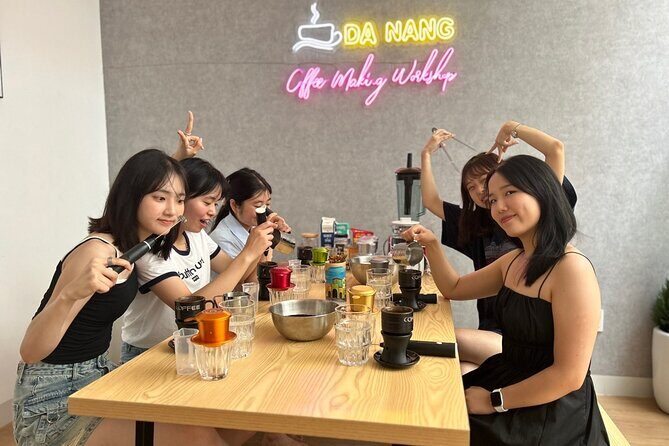
- Small group (up to 14): More hands-on help and less standing around.
- Tea welcome first: You start with a drink and a short culture lesson, not straight into caffeine.
- Hands-on coffee making: You’ll learn to make signature Vietnamese coffees and taste what you produce.
- Optional lunch package: Fresh spring rolls, crispy Vietnamese pancakes, and mango salad with shrimp and pork (vegetarian option available).
- Mobile ticket: Easy to handle on arrival.
- Good-weather requirement: If weather turns, you’ll be offered another date or a full refund.
Coffee in Da Nang: a classroom that feels like everyday life
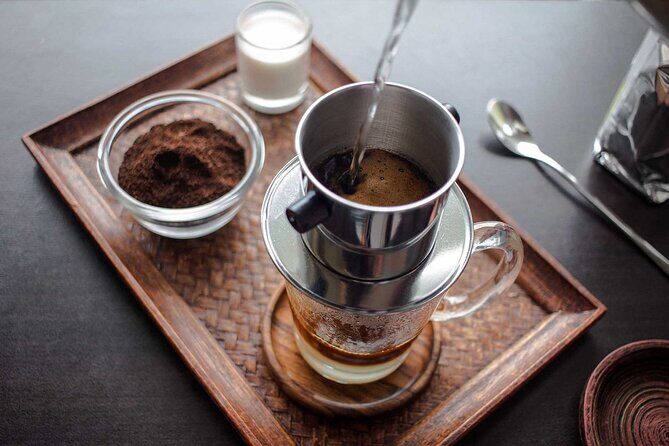
In Vietnam, coffee isn’t a special-occasion drink. It’s part of the day. The Da Nang Coffee Making Workshop leans into that truth. You’re not just learning recipes. You’re learning why Vietnamese coffee tastes the way it does, and why the rituals matter.
The vibe is practical and relaxed. One thing that really comes through is the host’s ability to keep the group moving, with humor and clear guidance. That matters, because coffee gear can look simple but still get confusing fast. Here, you get step-by-step help so you can actually make a good cup instead of playing guessing games.
The session also focuses on tea as more than a side note. You’ll learn about the philosophy of tea and how it’s tied to beauty and daily pace. It’s a nice counterbalance if you’re worried the workshop will be only about coffee.
One more point: the experience is built around small-group interaction. You’ll get time to ask questions and fix mistakes while you’re still in the process, not after everything’s gone cold.
You can also read our reviews of more tours and experiences in Da Nang

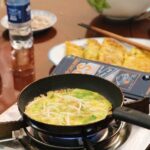
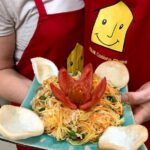
What you’ll make: Vietnamese classics like egg, salt, coconut, and phin

This workshop is centered on Vietnamese coffee culture, and the menu of learning is focused on the most famous styles. You’ll be taught multiple signature drinks, including egg coffee, salt coffee, and coconut coffee, plus cafe phin. (How many you personally make can depend on the package, but the experience clearly targets these styles.)
Here’s why this matters to you, even if you think you don’t know anything about coffee:
- Vietnamese coffee uses specific brewing and flavor-building habits, like the slow drip of the phin style and sweetened, creamy results.
- The famous specialty drinks are not random. They’re tied to comfort, texture, and local preferences.
- If you’ve only had Vietnamese coffee abroad, the workshop helps you understand what makes it taste different at the source.
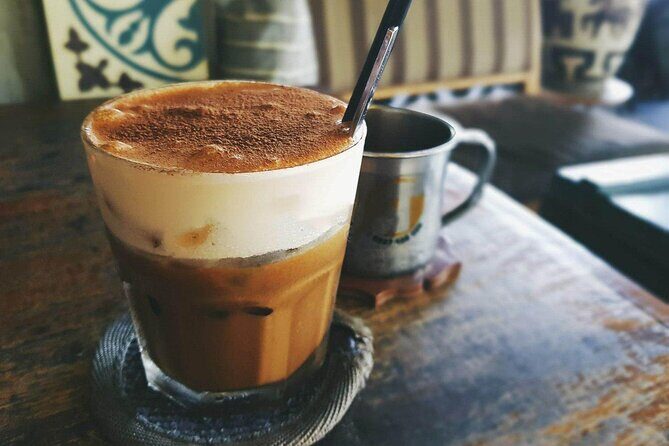
Egg coffee is often the most memorable. Expect a creamy, custard-like texture that feels dessert-adjacent, but still works as coffee. Salt coffee, on the other hand, is all about the unexpected: a savory-sweet idea that makes you pay attention to how sweetness and balance affect the final cup. Coconut coffee brings another flavor track—cool, rounded, and very Vietnam-in-a-glass.
The big win is that you’re not just reading about these. You’re making them and tasting your result. That’s the fastest way to learn what’s actually going on.
The flow of your class: tea welcome, tools, then making (and tasting) your cup
The structure is simple, and that’s good. Vietnamese coffee is already a small ritual. The workshop keeps it organized so you can follow along without stress.
You’ll start with a tea welcome drink, then move into an explanation of Vietnamese coffee history and culture. That upfront talk is useful. It gives you a frame while you’re working, so your coffee-making steps feel meaningful, not mechanical.
After that, you’ll get the coffee making tools and guidance for what you’re preparing. The pace is designed for beginners. Even if you’ve never seen a coffee filter setup before, you should be able to keep up with the steps.
Then comes the best part: you taste. You get to try what you made—your “little masterpiece,” as the experience puts it. That final tasting is where your brain connects the theory to the flavor.
If you’re worried you’ll come out with a sugar-and-coffee overload, don’t pretend you’re immune. The workshop is built around multiple cups and tastings, so it’s likely you’ll feel the caffeine. (Bring your polite self-control, and maybe plan an easy afternoon after.)
Pairing lunch with coffee: what you eat and why it works
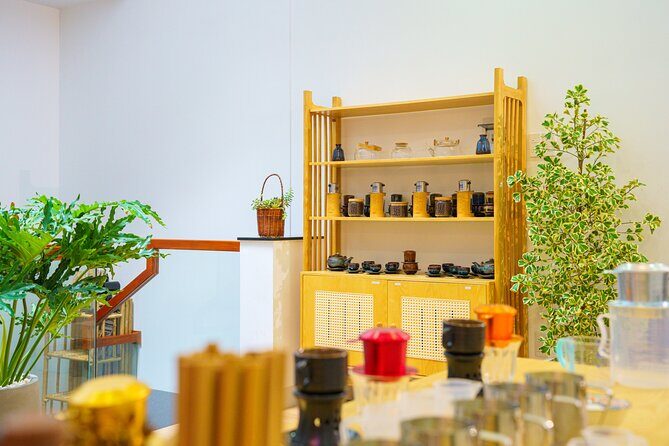
If you choose the package that includes lunch, the day becomes less “quick class” and more “half-day food-and-culture experience.”
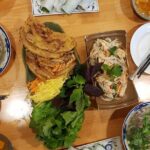
For the coffee making class and lunch option, lunch includes:
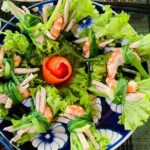
- Fresh spring rolls
- Crispy Vietnamese pancakes
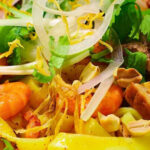
- Mango salad with shrimp and pork
- Vegetarian option available
This menu works for you because it complements what you’re learning. Coffee culture in Vietnam often sits beside lighter, fresh foods and crunchy textures. Spring rolls and crispy pancakes keep things grounded while you’re learning sweetness and richness in coffee drinks. Mango salad adds acidity and brightness, which helps cut through heavy flavors.
Timing matters here. Lunch options come with meet-up times like 12:00 PM and 2:30 PM, and the total duration runs about 2.5 hours for this package. If you’re visiting with family, this can be the easiest choice—coffee class plus a real meal means fewer “what now?” moments afterward.
The cooking class combo option: longer day, bigger payoff
There’s also a longer option listed as cooking class and coffee class, with a meet-up time of 9:30 AM and a total duration of about 5 hours.
If you want more than coffee and want to broaden into Vietnamese food basics, this longer package likely fits better. It’s also a good way to spend the morning and early afternoon without feeling like you’re hopping between too many stops.
The trade-off is time. A 5-hour session is not a snack. You should only pick this if you’re okay committing to the full block.
You can also read our reviews of more tours and experiences in Da Nang

Price and value: how $17 makes sense (and when it won’t)
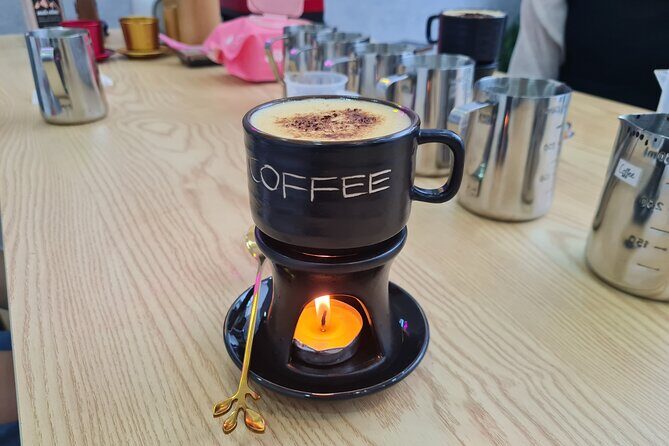
The workshop is listed at $17 per person. On paper, that can look like a budget activity. In practice, the value comes from what’s included.
Here’s what you’re paying for:
- A host-guided session focused on coffee history and culture
- Tools and ingredients support for making signature drinks
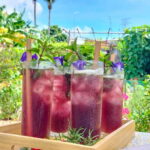
- A tea welcome drink
- Coffee-making time plus tasting
- For lunch packages, an actual meal with multiple dishes (and a vegetarian option)
The biggest value signal is the hands-on nature plus the small group size (maximum 14 travelers). You’re not paying for a lecture. You’re paying for guidance that helps you succeed at making the drinks.
When might it be less of a deal? If you’re the kind of traveler who only wants photos and won’t care about tasting what you make. In that case, most of the value is tied to participation.
But if you like practical cultural experiences—where you leave with skills you can repeat later—this price is very reasonable.
Group size, host energy, and why it changes everything
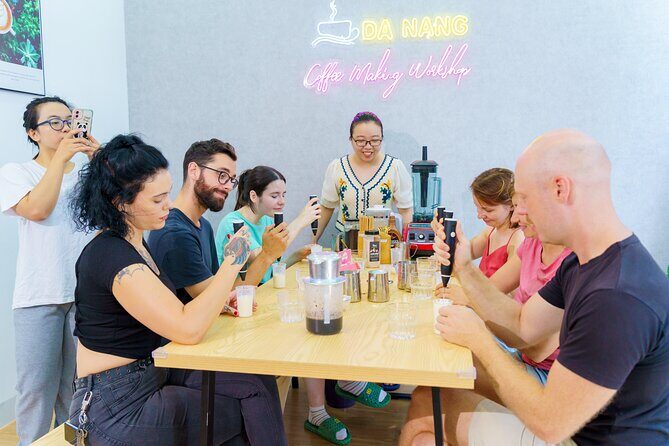
A small class isn’t just a comfort thing. It affects results.
With a maximum group size of 14, you’re more likely to:
- get help before you mess up
- ask questions without waiting
- move at a pace that keeps everyone included
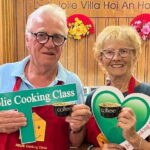
The reviews strongly emphasize the host experience—especially a guide named Jane, described as funny, helpful, and able to keep the class interesting. That kind of hosting matters in a short workshop. You don’t want an instructor who only reads instructions. You want someone who can explain steps in a way that clicks.
Also, the workshops are scheduled with multiple start times throughout the day. That flexibility is a quiet win if you’re juggling sightseeing, meals, or beach time.
Where you meet in Da Nang (and how to plan around it)
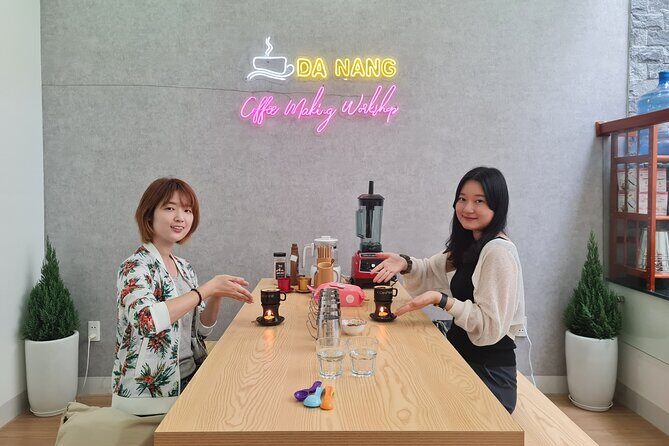
You’ll meet at:
146 Đ. Đoàn Khuê, Khuê Mỹ, Ngũ Hành Sơn, Đà Nẵng, Vietnam
The activity ends back at the meeting point. There’s no pick-up or drop-off, so plan your own transport to arrive on time. If you’re staying in central Da Nang, factor in travel time and traffic. If you’re staying farther out, you may want to arrange a buffer so you don’t show up rushed.
Meet-up times depend on the option:
- Coffee making class: 10:00 AM, 1:00 PM, or 3:30 PM (duration listed around 1 to 1.5 hours depending on option details)
- Coffee making class and lunch: 12:00 PM or 2:30 PM (about 2.5 hours)
- Cooking class and coffee class: 9:30 AM (about 5 hours)
Since the session needs good weather, also keep a little flexibility on your schedule.
Who should book this coffee workshop?
This is a great fit if:
- you want a hands-on cultural experience rather than a passive tour
- you’re curious about why Vietnamese coffee tastes different
- you enjoy learning by doing, tasting, and adjusting
It’s also a smart choice for couples and families. The small group format and structured steps help everyone stay involved.
If you’re a coffee purist who hates sweet drinks, you might find some drinks are dessert-like. But that’s exactly part of Vietnamese coffee culture, and the workshop helps you understand what you’re tasting and why it’s popular.
Should you book this Da Nang Coffee Making Workshop?
If you want a short, fun way to understand Vietnamese coffee culture, I think you should book it. The best part is that you don’t just hear about egg, salt, coconut coffee, and phin-style brewing. You make and taste what you learn, and the class is small enough that you get real help.
Pick the lunch option if you want to make it a full food-and-coffee stop. Choose the longer cooking combo only if you’re ready for the bigger time commitment.
One last practical note: since there’s no pick-up, plan your route to the meeting point. If you do that, you’ll likely walk away with a new appreciation—and the confidence to order (or even recreate) Vietnamese coffee back home.
FAQ
FAQ
What does the workshop include?
You get a tea welcome drink, coffee making tools, and help making multiple types of Vietnamese coffee. The lunch package also includes lunch.
How long is the coffee making workshop?
The basic coffee making class is listed at about 1 hour (and option timing also shows sessions around 1.5 hours). Lunch options run about 2.5 hours, and the cooking combo runs about 5 hours.
Which Vietnamese coffee drinks will I learn to make?
The experience focuses on famous Vietnamese coffee styles including egg coffee, salt coffee, coconut coffee, and cafe phin.
Is lunch included?
Lunch is included only with the coffee making class and lunch package.
What’s on the lunch menu?
Lunch includes fresh spring rolls, crispy Vietnamese pancakes, and mango salad with shrimp and pork. A vegetarian option is available.
Are there pick-up and drop-off services?
No. Pick-up and drop-off are not included.
Where is the meeting point?
You meet at 146 Đ. Đoàn Khuê, Khuê Mỹ, Ngũ Hành Sơn, Đà Nẵng, Vietnam, and the activity ends back at the meeting point.
What group size should I expect?
The experience has a maximum of 14 travelers.
Does the class require good weather?
Yes. The experience requires good weather. If it’s canceled due to poor weather, you’ll be offered a different date or a full refund.
What is the cancellation policy?
You can cancel for a full refund up to 24 hours before the experience’s start time. If you cancel less than 24 hours before, the amount paid is not refunded.