REVIEW · COOKING CLASSES
Da Nang Authentic Home Cooking Class
Book on Viator →Operated by Jolie Danang Cooking Class · Bookable on Viator
Cooking in a real Da Nang home feels personal. This Da Nang Authentic Home Cooking Class is in a local family house, not a studio, where you cook everyday Vietnamese recipes with step-by-step help from a friendly host. I like the small group size (up to 10) because it keeps things relaxed and personal, and I also like that the lesson includes the full meal you prepare. One heads-up: there is no pick-up or drop-off, so you’ll need to get yourself to the meeting point.
You’ll get a hands-on cooking class, all ingredients and equipment, and a sit-down family-style meal at the end. I’m especially drawn to the practical parts, like learning skills you can use later, including that classic Vietnamese pancake flipping moment that shows up in the experience. The one possible drawback is simple: because it ends back at the meeting point, you should plan transportation for the return too.
In This Review
- Key things you should know before you go
- A real Da Nang home kitchen, not a studio
- The 2.5-hour flow: prep, cooking, pancake flipping, then you eat
- Small group, max 10: why it changes everything
- Price and value: what $36 includes (and why it’s fair)
- Meeting point and getting there in Da Nang
- What you learn you can actually use at home
- The cultural side: everyday Vietnamese life around the table
- Who should book this Da Nang cooking class
- Should you book? My honest take
- FAQ
- FAQ
- How long is the Da Nang Authentic Home Cooking Class?
- How much does it cost?
- Is it held in a real home or a cooking studio?
- What group size should I expect?
- What’s included in the price?
- Do they include pick-up or drop-off?
- Where is the meeting point?
- What is the cancellation policy?
Key things you should know before you go
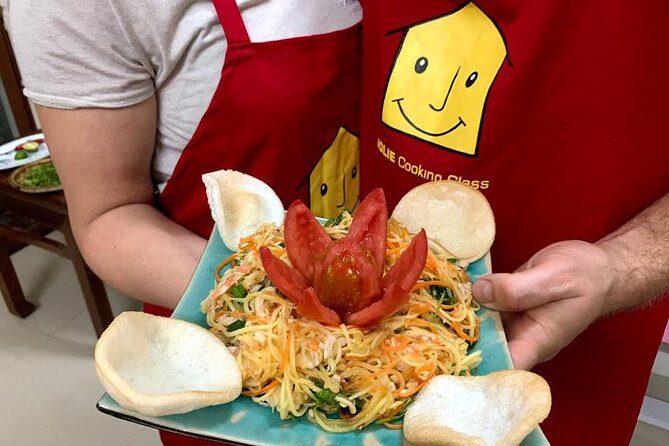
- Real home setting, not a cooking studio: you cook in a local house for a more everyday feel.
- Small group, max 10: more attention from the host, less waiting around.
- Everything included for $36: hands-on class, ingredients, equipment, and the meal you make.
- Hands-on from prep to plating: you do the steps, not just watch.
- A shared family-style meal: you eat together after cooking.
- Often worth booking early: on average, it’s reserved about 17 days ahead.
A real Da Nang home kitchen, not a studio
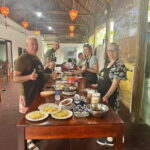
This is the kind of Da Nang cooking class that actually feels like you’re visiting real life. Instead of a spotless classroom or a commercial kitchen, the class happens in a local home where the setup is practical, lived-in, and warm. That matters, because Vietnamese cooking is often about rhythms: how ingredients are prepped, how sauces are adjusted, and how dishes are timed so everyone eats together.
The vibe is also calmer than most group activities. The class is designed around small-group interaction, so you’re not stuck being one of many faces in a room. You sit with the group, cook family-style, and then eat the meal you created. It’s less like a show and more like learning how a household makes food.
From the people involved, you’ll likely see a cheerful team approach. Names like Lan (head chef in one of the standout experiences) and instructors such as Rosie and Lucy show up in the class culture, and that gives you a sense of the energy you can expect: organized, fun, and focused on getting you actively cooking. You might not meet the exact same staff, but the coaching style seems consistent—clear guidance plus a light, friendly mood.
Bottom line: if you want a Da Nang cooking class where the details match real Vietnamese home routines, this is a strong fit.
You can also read our reviews of more cooking classes in Da Nang
The 2.5-hour flow: prep, cooking, pancake flipping, then you eat
The class runs about 2 hours 30 minutes, and the timing usually follows a straightforward arc: ingredient prep, cooking, then plating and sharing the meal.
Here’s what you can expect, in practical terms:
First, you meet at the home and get into the cooking rhythm. The host guides you step by step, from preparing ingredients to understanding what each part is supposed to accomplish. Vietnamese home cooking often depends on small adjustments—salt level, heat control, and timing—so the process is built for hands-on participation rather than passive watching.
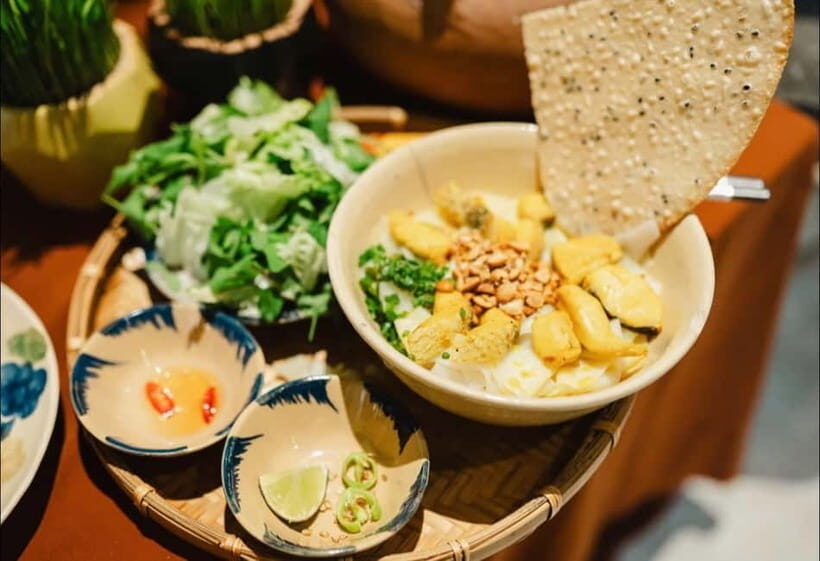
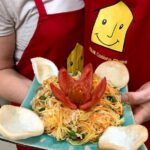
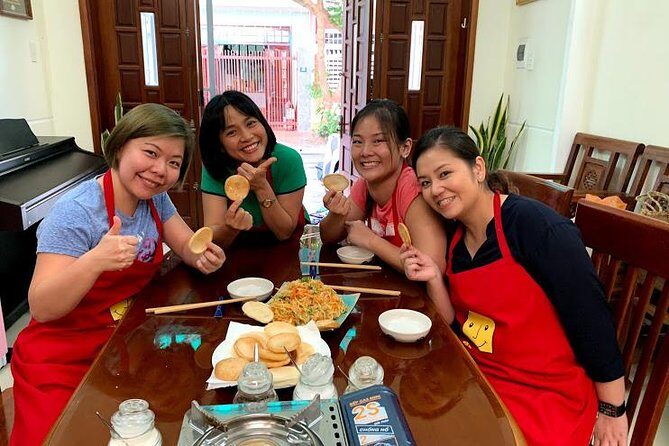
Then comes the cooking stage. You’ll be working alongside your group, with the host helping you when needed and keeping things moving. This is where the class earns its name. In one featured highlight, the experience included Vietnamese pancake flipping, which is exactly the sort of skill-based moment that makes a cooking lesson stick. Even if your particular dishes differ, expect moments where you’re doing real technique, not just stirring.
Finally, you plate and sit down to share the meal you helped make. That part is more important than it sounds. Eating your own cooking turns the lesson into something memorable, because you taste what worked and what you can improve. You also get the social side of Vietnamese meals—eating together, relaxed conversation, and a sense of hospitality that fits the home setting.
If you’re the type who learns by doing, this format is a win. You’ll leave with a better sense of how Vietnamese flavors are built, not just what the food looks like.
Small group, max 10: why it changes everything
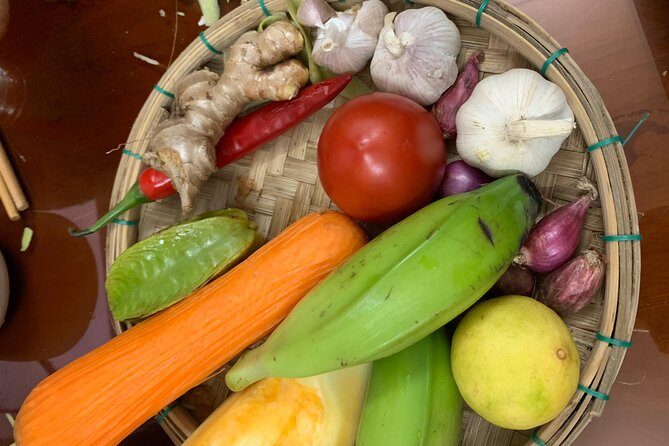
A max group size of 10 travelers is a big deal for a cooking class. In larger classes, you often spend time waiting: waiting for tools, waiting for translation, waiting for your turn. Here, the structure is set up for personal guidance, so you can actually ask questions and get fixes while you cook.
That also changes the comfort level. A local home can feel a bit more intimate than a public venue. With a small group, you’ll usually feel like you’re part of the table instead of a crowd.
And since the host is guiding you through prep, cooking, and plating, smaller numbers mean you’re more likely to get those little coaching moments that make the food better. That’s where you pick up the practical tips you’ll remember when you try to recreate the dishes at home.
For groups: if you’re coming with friends or family, this size tends to work well because everyone can cook together without being separated into random roles for the whole lesson.
Price and value: what $36 includes (and why it’s fair)
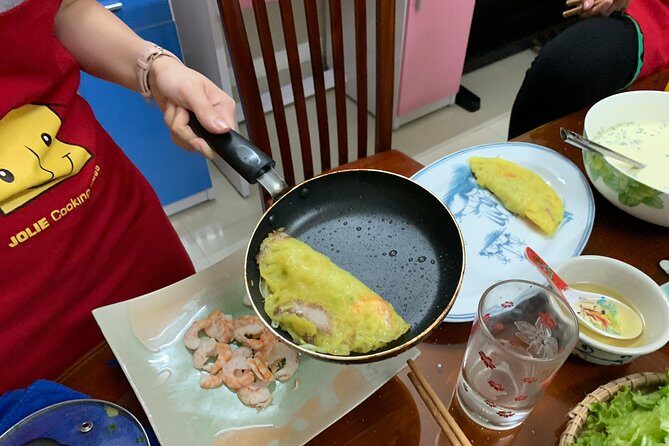
The price is $36.00 per person, and it’s easy to compare this to other food tours in Vietnam. Here’s the key: this class isn’t just tasting. You get a hands-on cooking lesson, plus all ingredients and cooking equipment, plus the meal you prepare, plus guidance from a local host.
When a cooking experience includes the food you make, the tools, and the full instruction, the cost usually feels more reasonable. You’re paying for time, a real home setting, and someone’s effort to guide you through steps and keep the group flowing.
Also, $36 for about 2.5 hours in Da Nang is typically a good value when you consider the alternatives. Many food experiences either focus on tasting (lighter on instruction) or require you to pay separately for meals. This one builds the meal into the experience.
One more value point: the class includes a small-group experience and ends back where you started, so there’s no hidden add-on meal cost after the class. You’re still responsible for getting there yourself, but that’s a trade-off you can plan around.
Who gets the best value?
- Food lovers who want real technique
- People who don’t just want to eat, but want to learn
- Anyone traveling as a couple or small group who likes personal attention
Meeting point and getting there in Da Nang
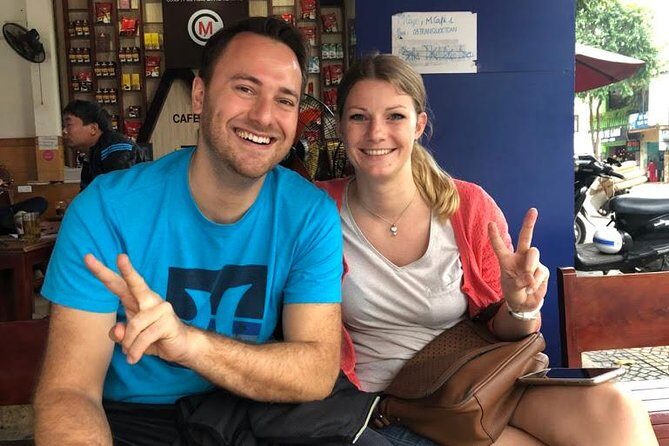
The activity starts at 14 An Trung Đông 6, An Hải Bắc, Sơn Trà, Đà Nẵng 55000, Vietnam and ends back at the same meeting point.
A couple logistics details matter here:
- There’s no pick up or drop off, so you’ll want to plan your own route to the address.
- It’s described as near public transportation, which helps if you’re not using private cars for everything.
Because it ends back at the meeting point, don’t rely on a driver waiting at a different location. Plan a ride or transit back to wherever you’re staying after the class finishes.
If you’re building a day around it, treat this like a fixed appointment. The lesson itself is set at the home, so arriving on time makes the rest smoother for everyone.
You can also read our reviews of more tours and experiences in Da Nang


What you learn you can actually use at home
Cooking classes can be hit or miss. Some are mostly about telling stories. This one is structured around step-by-step cooking, from ingredient prep to cooking and plating.
That matters because technique is transferable. When you learn how to handle ingredients in the right sequence, how to adjust while cooking, and how to present a dish, you can repeat the process later. In the standout feedback, people specifically mention enjoying the interactive nature and the small skills you’ll want to share at home.
You also learn through taste. Since you eat what you cook, the class gives you immediate feedback. That’s a powerful teacher, because you can connect what you did—timing, heat, seasoning—with the final result.
Even if you’re not a confident cook, you’re not walking in blind. The host is there to guide you through the steps, and the small group size helps you get the attention you need.
Practical mindset: go in ready to cook. If you treat it like a class and not just a photo stop, the learning sticks.
The cultural side: everyday Vietnamese life around the table
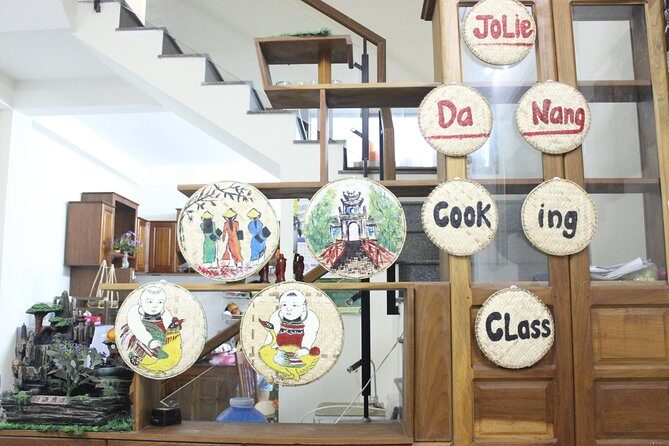
This isn’t positioned as a lecture about culture. The cultural part happens because the lesson is in a home and centered on everyday Vietnamese food habits. You’re learning family-style cooking, eating together, and seeing how a household meal is put together.
That’s why it feels authentic. You’re not separated from the environment. The whole point is that Vietnamese cooking is part of daily life—passed down through generations, taught by practice, and shared at the table.
The atmosphere also tends to feel welcoming, based on how people describe the hosts and the overall friendliness. Names such as Kate and Hannah show up in the experience stories, and that points to a team approach focused on keeping the mood relaxed while still teaching effectively.
If you’re tired of “cultural” activities that feel staged, this one has a better chance of matching what real local life looks like. You’ll still have to participate, speak up if you have questions, and follow the guidance, but that’s the trade for authenticity.
Who should book this Da Nang cooking class
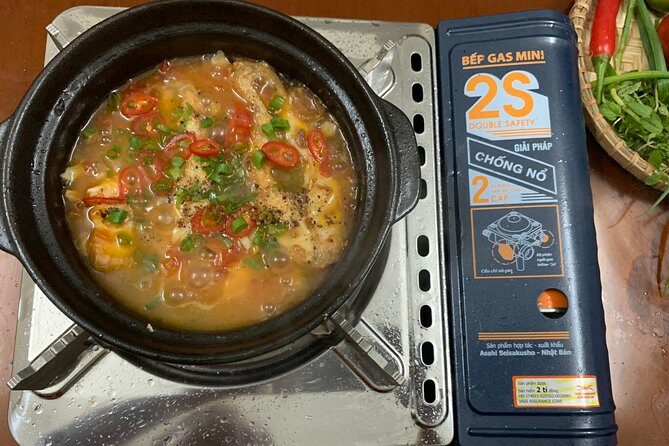
I think this fits best if you fall into one of these categories:
- You want a real home cooking experience rather than a commercial studio.
- You like hands-on learning and want skills, not just samples.
- You prefer smaller groups where you can actually interact with the host.
- You’re traveling with family or friends and want something everyone can do together.
It can also be a great choice for teens and active eaters, since the interactive cooking moments (including pancake flipping in a highlighted experience) tend to land well when people are engaged rather than just watching.
One reason to consider booking even if you’re not a hardcore foodie: the meal is part of the package. So you’re not choosing between learning and eating. You do both.
Should you book? My honest take
Book it if you want a Vietnamese cooking class that feels lived-in and you care about learning how food is made, not just tasting it. The $36 price works because you’re getting a hands-on lesson, ingredients, equipment, instruction, and the meal you cook. Add the small-group limit of 10, and you’re likely to get the kind of attention that makes a cooking class worth your time.
Skip or think twice if you really rely on hotel pick up and door-to-door convenience. This one requires you to get yourself to the meeting point at 14 An Trung Đông 6 and then return there after the class. If that logistics piece stresses you out, you’ll enjoy the day more if you pick a tour with transport.
If you’re deciding between multiple Da Nang food options, I’d weigh this one strongly for the combination of technique + home setting + included meal.
FAQ
FAQ
How long is the Da Nang Authentic Home Cooking Class?
The class runs for about 2 hours 30 minutes.
How much does it cost?
It costs $36.00 per person.
Is it held in a real home or a cooking studio?
It takes place in a real local home, not a cooking studio.
What group size should I expect?
The experience has a maximum of 10 travelers.
What’s included in the price?
You get a hands-on cooking class, all ingredients and cooking equipment, the meal you prepare, a small-group experience, and local host guidance.
Do they include pick-up or drop-off?
No. Pick up and drop off are not included.
Where is the meeting point?
You start at 14 An Trung Đông 6, An Hải Bắc, Sơn Trà, Đà Nẵng 55000, Vietnam, and the activity ends back at the meeting point.
What is the cancellation policy?
You can cancel for a full refund up to 24 hours in advance. If you cancel less than 24 hours before the start time, the amount paid is not refunded. Free cancellation applies up to 24 hours before.