REVIEW · COOKING CLASSES
RICE PAPER Noodle Making Experience & Hoi An Cooking Class Class
Book on Viator →Operated by Hoi An Eco Tours Discovery · Bookable on Viator
Crab-catching beats another cooking class. This is a small-group, hands-on day that mixes rice paper noodle making with a real Vietnamese cooking lesson, plus a basket-boat ride through coconut palms and time catching purple crabs with locals. You also get round-trip Hoi An hotel transfers, so you’re not spending half your day figuring out transport.
I love how the tour keeps things practical: you make the noodles, you learn recipes from a working chef (including Chef Tim), and you eat what you help create. The one thing to consider is that the schedule is active and time is tight, so if you’re after slow strolling and lots of downtime, this 4.5-hour circuit may feel a bit packed.
In This Review
- Key highlights you’ll actually feel during the day
- Why this Da Nang to Hoi An day trip feels more local than touristy
- Price and what you’re really paying for (at $33.99)
- Getting there smoothly: pickups, timing, and how to plan your day
- Kim Bong Carpentry Village and the village walk: where the food story begins
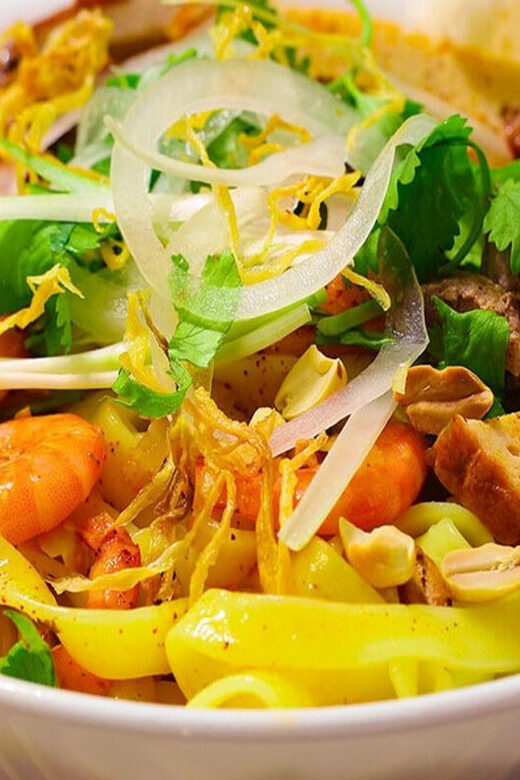
- Rice paper noodle making: hands-on skill, not just a photo moment
- Coconut palm forest basket-boat ride: a break from the cooking rhythm
- Catching purple crabs with a local fisherman: the ingredient you’ll remember
- The Vietnamese cooking class with Chef Tim: learn dishes you can repeat
- Lantern-making and that coconut-forest wind-down (if included)
- Meal payoff: eating what you helped create
- Who this tour suits best (and who should think twice)
- Should you book the Rice Paper Noodle Making and Hoi An Cooking Class?
- FAQ
- What does this tour include?
- How long is the experience?
- Is pickup from Hoi An hotels included?
- How many people are on the tour?
- What’s the price?
- What is the cancellation policy?
Key highlights you’ll actually feel during the day
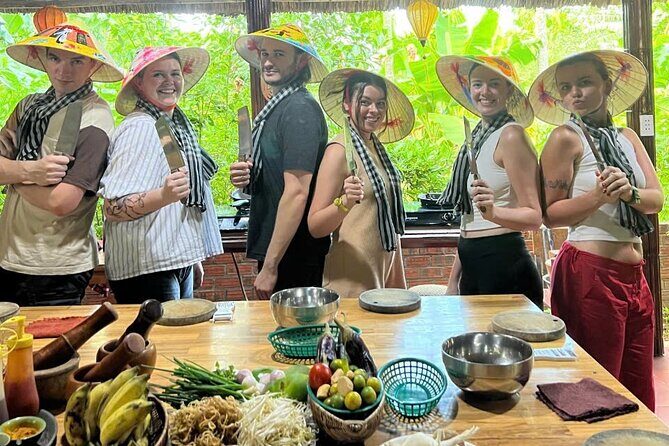
- Rice paper noodle making in a village setting with local instruction, not just watching.
- Small-group size (up to 15, with a maximum of 18) for more hands-on attention.
- Basket-boat through a coconut palm forest, a fun change from city traffic.
- Purple crab catching with a local fisherman, then you get to enjoy the result.
- Chef-led cooking class (Chef Tim is specifically praised) with detailed recipe guidance.
- Recipes provided after the class, so you can try the dishes again at home.
Why this Da Nang to Hoi An day trip feels more local than touristy
This tour is built around the “outside the center” side of Hoi An. Instead of sticking to the Ancient Town loop, you spend your time in working communities—villages and fishing areas where people actually do the daily work of food. That’s the big value here: you’re not only learning dishes, you’re seeing how those dishes start.
You’ll also get a mix of activities that fit together. Rice paper noodle making gives you food-to-plate understanding. The basket boat and crab-catching connect the lesson to local ingredients and local livelihoods. And then the cooking class turns all that into something you can repeat—because the recipes are made available to you afterward.
You can also read our reviews of more cooking classes in Da Nang
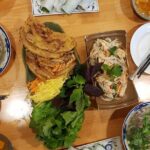
Price and what you’re really paying for (at $33.99)
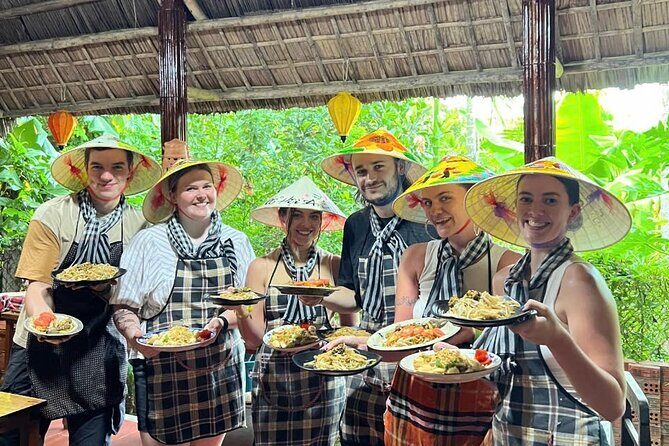
At $33.99 per person for about 4 hours 30 minutes, the price starts to make sense once you count what’s included in a single package: round-trip hotel pickup, a guided village experience, a boat ride, crab catching, and a hands-on cooking class with a meal you can enjoy.
Cooking classes can vary wildly in what they include. Here, you’re paying for more than a single classroom moment. You’re getting a full arc—ingredients, cooking skills, and the payoff of eating the food you helped make.
Getting there smoothly: pickups, timing, and how to plan your day
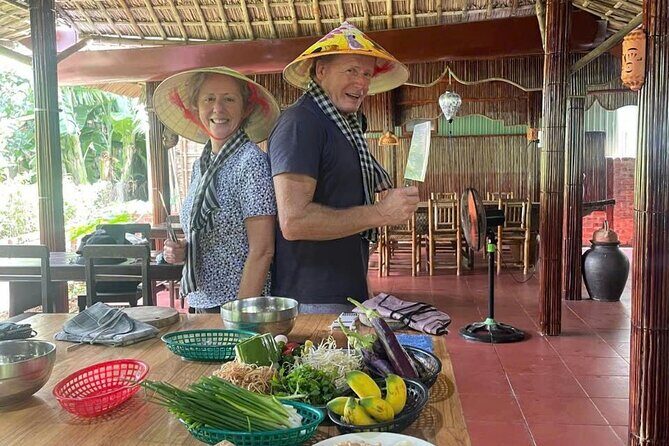
The tour offers round-trip transfers from Hoi An hotels, which is a big deal in this region. It means you avoid the “what bus do I take” stress and can just show up fed (or at least ready to eat later). You’ll also use a mobile ticket, which is usually faster at check-in than paper tickets.
One small practical note: the experience is active, and you’re outdoors for parts of the day. Bring sunscreen, and plan for humidity. If you’re the type who gets grumpy in the heat, you’ll want to treat this like a daytime adventure, not a casual stroll.
Kim Bong Carpentry Village and the village walk: where the food story begins
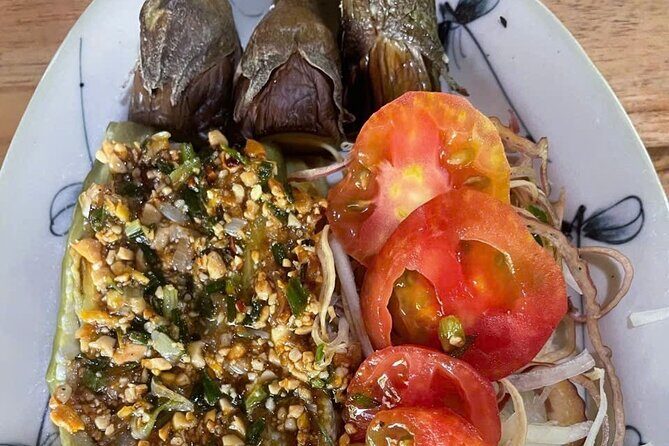
Your first stop is Kim Bong Carpentry Village, and the theme is simple: rural life through food. You’ll walk around and spend time with local villagers, including hands-on noodle-making as part of the village experience.
Why this matters for you: rice paper noodles are easy to admire and harder to truly understand. When you make them yourself, you start noticing things you’d never catch as a bystander—how dough consistency affects the outcome, how timing changes texture, and how small steps add up to something that looks effortless on a plate.
A second reason I like this kind of start is attention. In a small group, village instruction tends to be more direct. You’re not just hearing a lecture. You’re working alongside someone who does this day after day.
Rice paper noodle making: hands-on skill, not just a photo moment
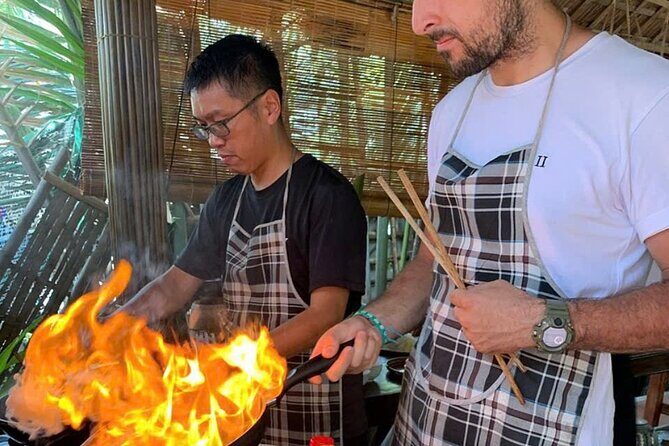
This part is the core of the experience. You’ll learn how to make noodle using rice paper, guided by locals as you move through the process. Even if you’ve tried cooking Vietnamese food at home, this is the moment where the skills feel real.
Here’s what to watch for:
- Pace and texture: rice paper noodle making rewards focus. If you rush one step, you feel it later.
- Questions: ask how to judge readiness. Village instructors tend to explain with practical cues, not vague advice.
- Cleanup and timing: noodle work is usually quick, so listen closely to when to move to the next step.
The best part? You’re building confidence for the cooking class that follows. By the time you sit down with the chef, you’ll connect the ingredients and techniques instead of treating them as separate activities.
You can also read our reviews of more tours and experiences in Da Nang



Coconut palm forest basket-boat ride: a break from the cooking rhythm
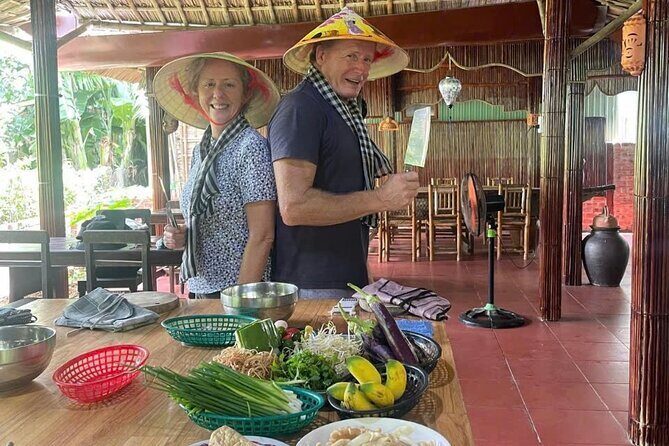
Then the day shifts gears. You’ll travel by boat through a coconut palm forest, using a traditional “basket boat” style experience. It’s a fun contrast: you’re still outdoors and you’re still with your group, but the activity is slower and scenic compared to kitchen work.
For your enjoyment, this segment works because it changes the temperature of the day. After hands-on cooking and village walking, you get a chance to reset your brain. You can also watch how the landscape supports everyday life here—water routes, fishing areas, and the way coconut palms line the surroundings.
If you’re prone to motion sickness, keep that in mind with any boat ride, even a short one. The duration isn’t given in the details you provided, so I’d treat it as a normal short outdoor boat experience and be prepared.
Catching purple crabs with a local fisherman: the ingredient you’ll remember
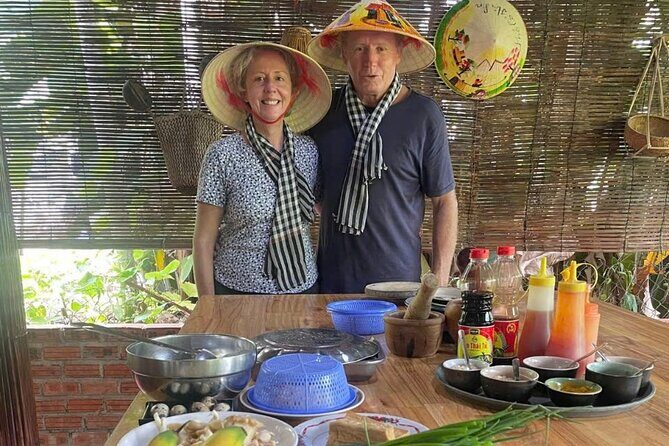
One of the most praised parts is learning how to catch purple crabs with a local fisherman. This isn’t only about getting seafood for dinner. It’s about understanding where an ingredient comes from—and seeing that the locals’ process is guided by knowledge you can’t fake.
How this connects to the rest of the tour:
- You’ll likely feel more invested in the meal because you know the “before” story.
- You’ll get a stronger sense of why certain flavors and cooking methods fit local ingredients.
- You’ll appreciate the work behind the food, which makes the later cooking lesson hit harder.
This is also the part where your attitude matters most. If you’re expecting a gentle, showroom-style experience, crab catching might feel hands-on and a bit messy. If you’re okay getting your hands involved, it’s a memorable highlight.
The Vietnamese cooking class with Chef Tim: learn dishes you can repeat
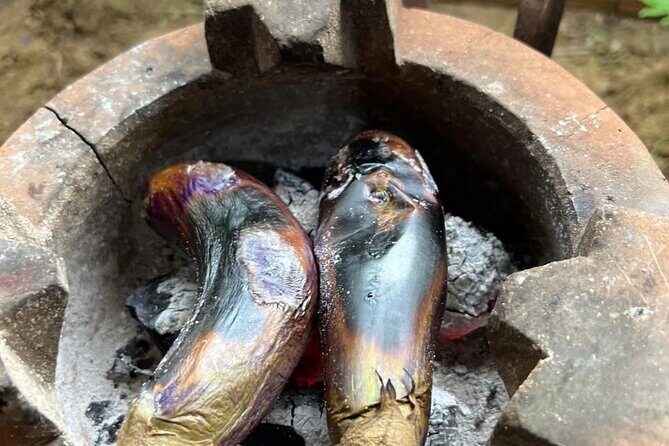
After the outdoor and village moments, you shift into the heart of the skill-building: a Vietnamese cooking class taught by a local chef. Chef Tim is specifically praised in the feedback for being experienced and explaining recipes in detail.
What you should expect from a class like this:
- Hands-on cooking, not just watching someone else cook.
- Recipe guidance that you can follow later.
- Cultural context tied to the dishes, not random facts.
You’ll also enjoy Vietnamese food you help make. And importantly, recipes from the class are made available to you, which is where cooking classes earn their keep. Otherwise, you take photos and forget everything. With recipes, you can turn the day into a real skill.
One more practical tip: take notes while you’re there. Even if recipes are provided afterward, writing down small adjustments like seasoning cues helps you succeed when you cook at home.
Lantern-making and that coconut-forest wind-down (if included)
Some versions of this kind of Hoi An experience include a lantern-making moment, and one participant specifically called it out as adding color to the day. If lantern making is part of your departure plan, it’s a nice cultural craft break between active segments.
You may also end the day with a relaxed vibe after the coconut forest portion. The point isn’t another lesson—it’s a chance to enjoy the setting and let the experience settle in.
Meal payoff: eating what you helped create
The tour ties the day together with a feast. You catch crabs, then you enjoy the meal, and you also eat Vietnamese dishes made through the cooking class.
For you, the value isn’t just satisfaction. It’s feedback. You’ll taste how the steps you learned show up in flavor, texture, and balance. That’s how cooking lessons stop being theoretical.
If you’re picky about spice or texture, this is the moment to speak up. Since you’re in a guided setting, you can usually manage your preferences better than in a standard restaurant situation.
Who this tour suits best (and who should think twice)
This tour is a great fit if you want:
- A hands-on rice paper noodle experience
- A cooking class that’s tied to real local food sourcing
- An active, outdoorsy day without dealing with complicated logistics
- A small group environment where questions actually get answered
It’s less ideal if you:
- Hate getting outdoors in heat and humidity
- Want a very slow pace or minimal physical activity
- Prefer purely restaurant-based experiences with no fieldwork or catching
Should you book the Rice Paper Noodle Making and Hoi An Cooking Class?
If you want one tour that combines skills, food, and local life beyond the Ancient Town, I think booking makes sense. The standout reason is that it’s not only a cooking class—it’s a chain of experiences that lead into cooking: village noodle making, boat time, crab catching, and then a chef-led meal.
Book it especially if small-group attention matters to you and you like the idea of learning a technique you can reproduce later using the recipes provided. If you’re sensitive to active outdoor segments, plan for that and go prepared.
FAQ
What does this tour include?
You’ll do rice paper noodle making and a Vietnamese cooking class with a chef, plus boat travel through a coconut palm forest and a crab-catching experience with a local fisherman. You’ll also enjoy the Vietnamese food you make, and you’ll receive recipes from the class.
How long is the experience?
The duration is about 4 hours 30 minutes.
Is pickup from Hoi An hotels included?
Yes. Round-trip transfers from Hoi An hotels are offered.
How many people are on the tour?
It’s limited to 15 travelers, with a maximum of 18 travelers.
What’s the price?
The price is $33.99 per person.
What is the cancellation policy?
You can cancel for a full refund if you cancel up to 24 hours before the experience’s start time. If you cancel less than 24 hours before, you won’t get a refund.