REVIEW · HISTORICAL TOURS
Da Nang History Tour Walking By Cham Pa Museum-Cuisine-Cafe
Book on GetYourGuide →Operated by Funtastic Basket Boat Tours and Cooking Class · Bookable on GetYourGuide
Champa stones tell one Da Nang story. This 1-day walking history tour links Cham Museum sculpture art to real street life, so the city feels less like a stopover and more like a place with memory. I love how the guide turns the museum displays into a readable map of Champa and My Son, and I love the food-and-sight pairing that keeps the walk lively instead of academic. One thing to consider: it is a walking day, and you’ll want to plan around meals because the included lunch and coffee take up time and space in your stomach.
I also like that you get a live guide with historian background, not just a driver and a checklist. In the hands of guides like Mun and Hong, the route connects religion, colonial influences, and Vietnam War-era traces along the Han River into one smooth timeline you can actually follow. The only real drawback I’d flag is that if you’re the type who could spend hours in a museum room, you may wish you had a bit more time at Cham Museum.
In This Review
- Key highlights worth planning around
- Cham Museum: Your shortcut to Champa and My Son
- An Long Pagoda: Buddhism and local belief in real life
- Da Nang’s in-between life: collectivist-era markets and quiet alleys
- Han River walk and Dragon Bridge’s 666m moment
- Pho and Hanoi Quarter-style lunch: where the route turns tasty
- Da Nang’s Chicken Church and Han Market with community stories
- Coconut coffee and salted milk coffee: the finish that feels like Vietnam
- Price and what you truly get for $28
- Who should book this walking history tour?
- Should you book this tour?
- FAQ
- Where is the meeting point?
- What food and drinks are included?
- Is the tour private or shared?
- How long is the tour?
- What is not included in the price?
- Is there free cancellation?
Key highlights worth planning around
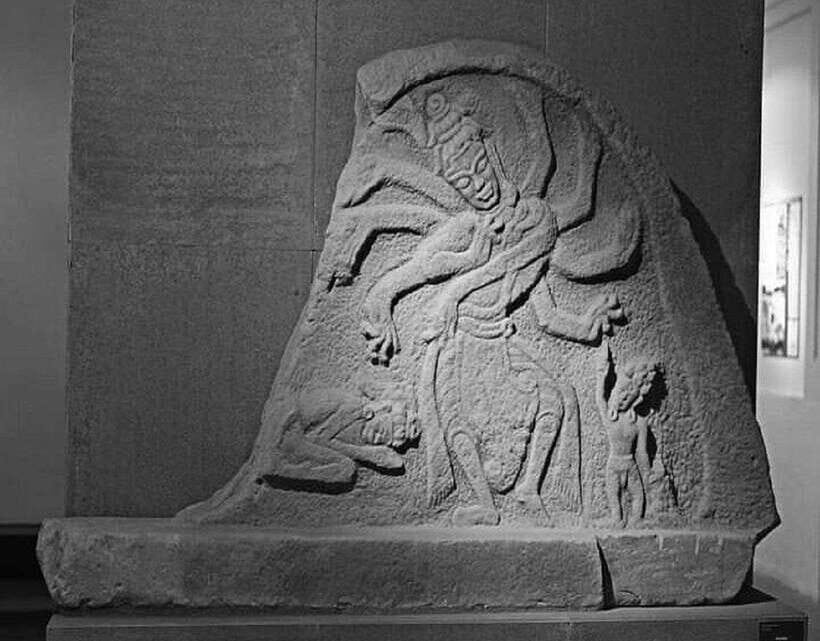
- World-class Cham sculpture storytelling tied to My Son and Champa Kingdom
- A true walking loop through city sights like Dragon Bridge, Han River, and Han Market
- Temple visit with practical context at An Long Pagoda and Mahayana Buddhism
- Local-food focus with pho and herbal tea, plus coconut or salted coffee
- Da Nang beyond the main roads via quieter alleys and a collectivist-era market
Cham Museum: Your shortcut to Champa and My Son
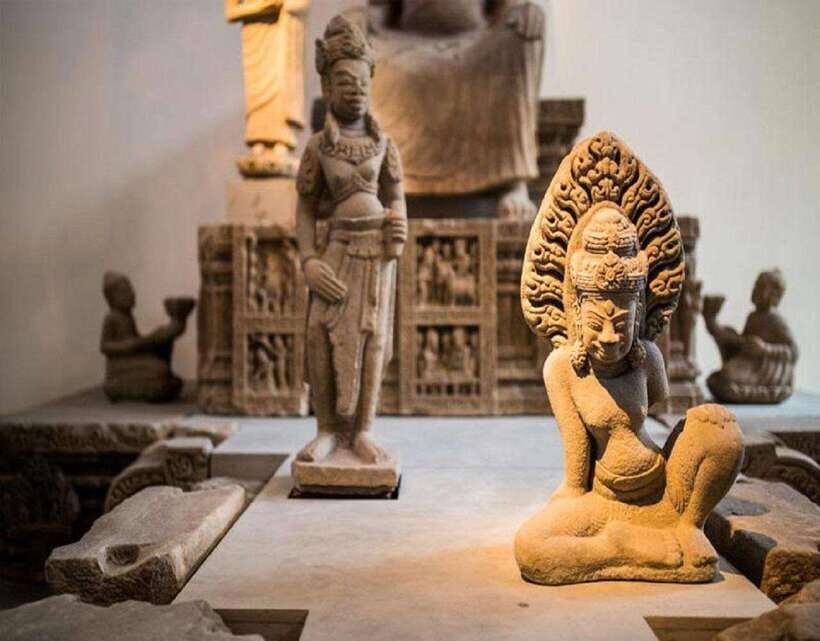
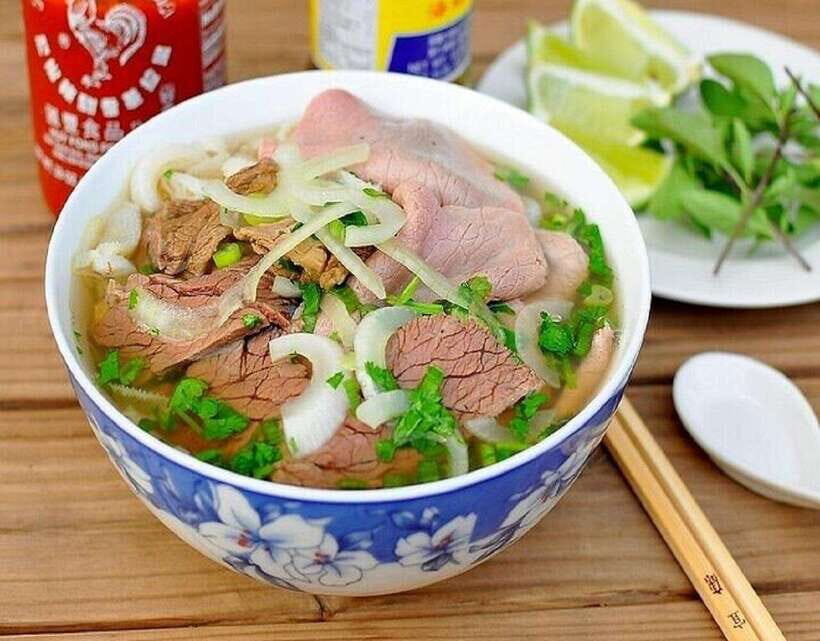
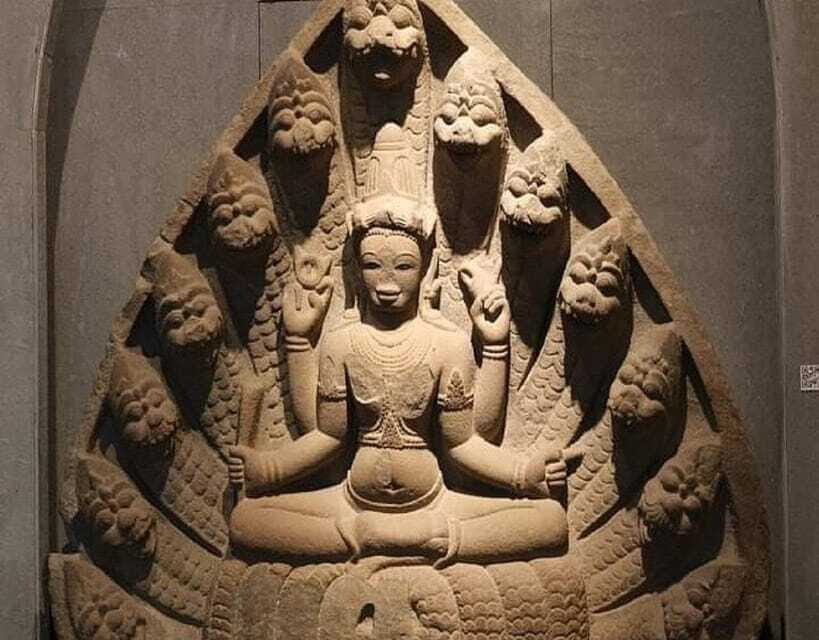
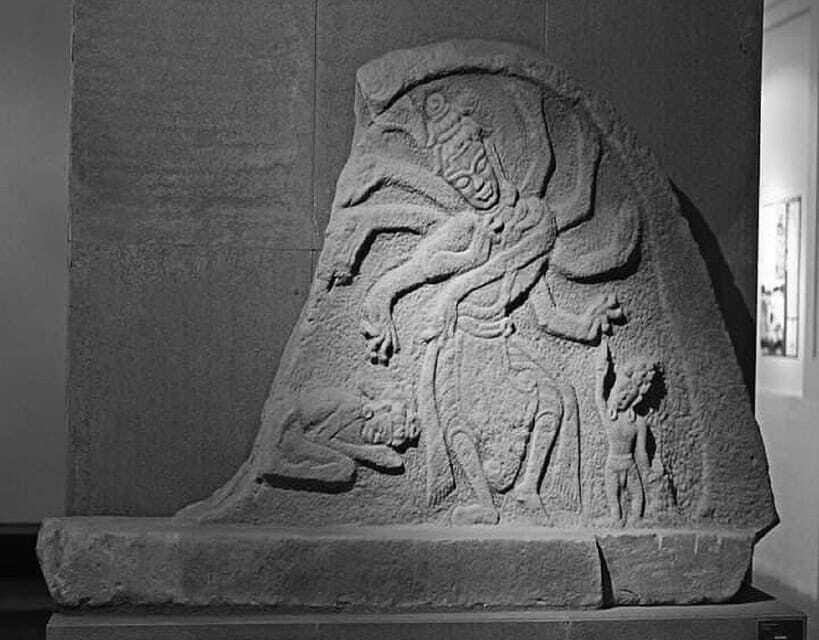
Start at the Cham Museum, and you’ll immediately understand why people treat it like the best pre-game warm-up for My Son. The museum’s core strength is its Hinduism sculpture collection—hundreds of antique stone statues spanning roughly the 7th to the 14th century. Each piece is its own mini story, which matters because Champa art isn’t just decoration. It reflects belief, power, and how religious ideas moved across the region.
What I like about the way this tour handles the museum: you don’t just look at statues. You get a simple thread of what the art was doing in Champa society—why certain figures appear, and how those motifs connect back to the sites associated with My Son. A historian-background guide helps you notice relationships you’d likely miss on your own, like how different works imply different periods or different religious themes.
Practical tip: wear comfortable shoes. The museum time feels structured, not rushed, but you’ll still be on your feet a lot, both inside and outside afterward. If you’re extra sensitive to heat, bring a water bottle and a light layer; Central Vietnam can feel intense even when the route is well-managed.
You can also read our reviews of more walking tours in Da Nang
An Long Pagoda: Buddhism and local belief in real life
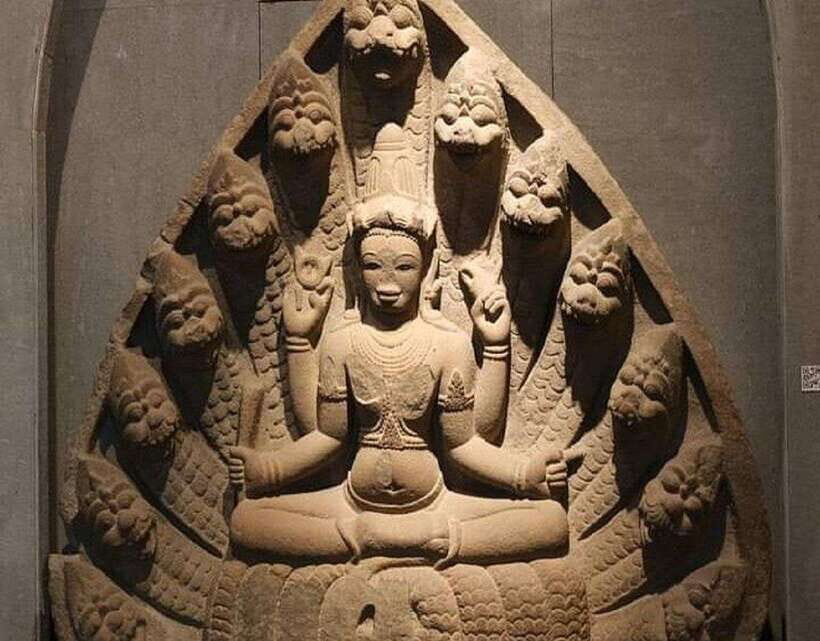
After the sculpture world, you shift to living faith at An Long Pagoda. This stop is less about performing “tourist culture” and more about understanding how Mahayana Buddhism shows up in everyday attitudes and habits.
The tour frames the visit with local belief in mind—how ideas from religion affect daily life here, not just what’s written on signs. That’s where the historian-background angle pays off again. Instead of treating the pagoda like a photo stop, you’re nudged to observe what people do and why it matters in the local mindset.
What you’ll likely appreciate: the guide connects the temple visit back to the bigger theme of the day—how belief systems shape art, architecture, and community behavior over time. If you prefer your culture stops with context (not just history headlines), this is a good match.
Da Nang’s in-between life: collectivist-era markets and quiet alleys

One of the most interesting segments is the walk that turns away from the biggest landmarks and toward the textures of daily living. You’ll see a local market built in the 1980s under collectivism, described as having a planning style that resembles what many people associate with North Korea. Whether you think that comparison fits perfectly or not, the takeaway is clear: this stop is about Vietnam’s tougher recent past and how systems shaped ordinary routines.
Then the route slips into hidden alleys. This is where Da Nang stops being a postcard and becomes a living neighborhood. You’re not just passing by storefronts—you’re getting a sense of how residents move through the spaces they’ve built for themselves.
Why I think this part is valuable for your trip: it balances the more “ancient” sections of the day (Champa, old religious relic traditions) with something modern and real. Even if you only spend a short time here, you leave with a stronger understanding of how history keeps influencing the present.
Han River walk and Dragon Bridge’s 666m moment
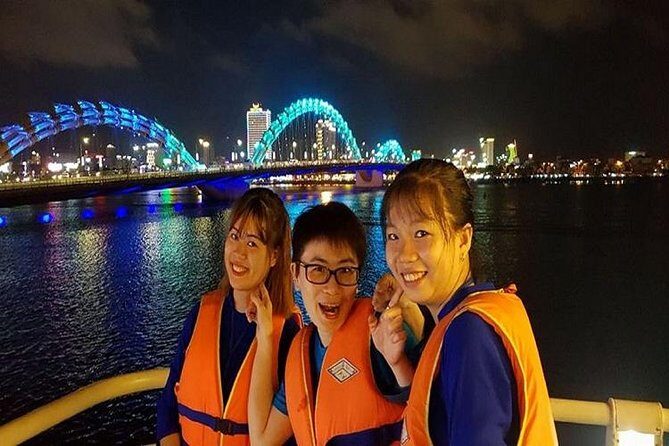
Next comes a big visual payoff: Dragon Bridge, stretching 666 meters. It’s iconic, and even if you’ve seen photos, it’s more meaningful when you’re standing in the same line of sight the guide is using to explain the city’s story.
From there, you walk along the Han River and you’ll notice the tour ties the scenery to the Vietnam War era—specifically that Da Nang was a major US military base before 1975. The point isn’t to turn this into a lecture about battles. It’s to help you see why certain parts of the city look the way they do, and how war left physical and emotional traces that locals still live alongside.
A small caution: this section is outdoors. If the weather is hot or breezy, plan for sun and give yourself a little buffer to pause for photos. The best approach is to let the guide set the pace and focus on the stories between viewpoints, not just the view itself.
Pho and Hanoi Quarter-style lunch: where the route turns tasty
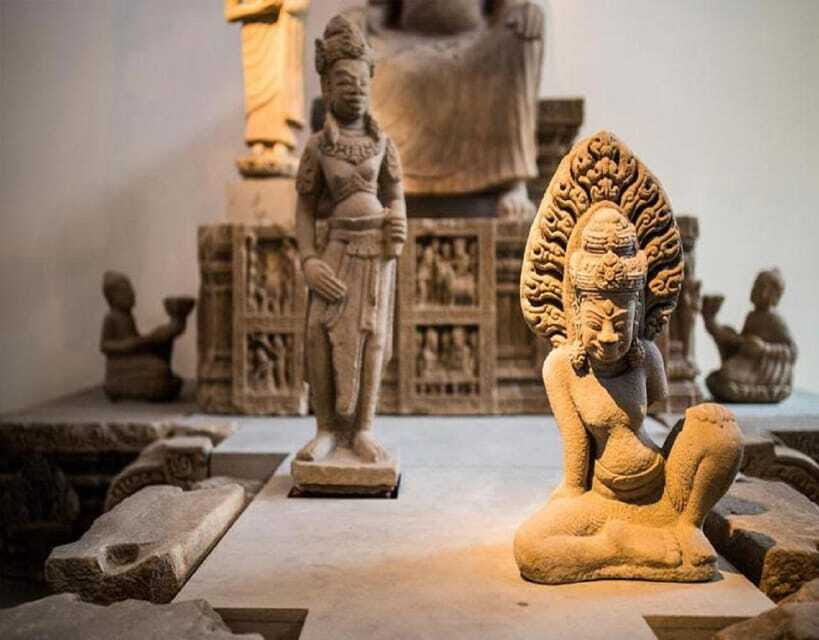
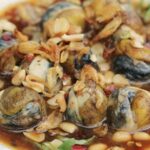
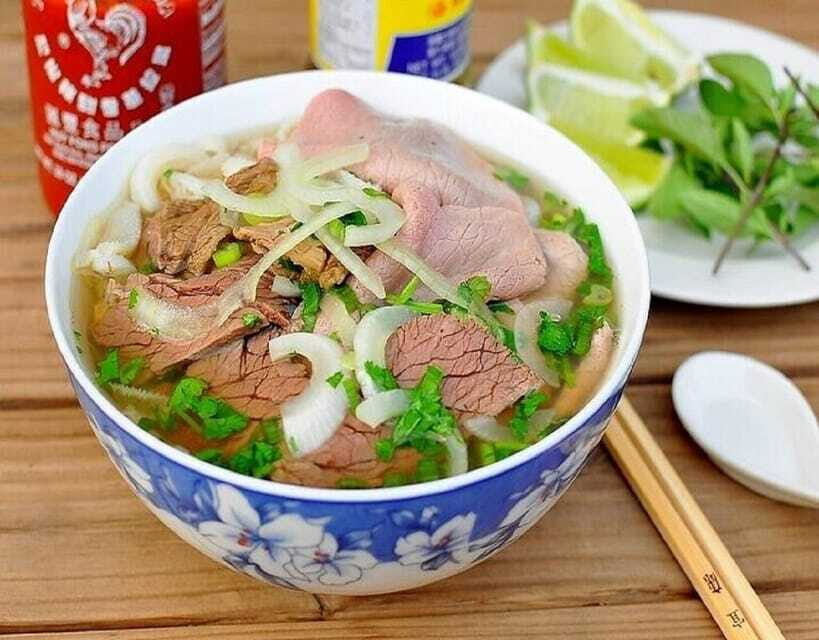
At some point in the walk, you’ll stop for pho—served as Chicken Pho or Beef Pho depending on your choice. The tour also includes green Hanoi herbal tea at the pho stall. This isn’t random comfort food placed in the schedule; it’s a practical break that keeps your energy steady for the rest of the day.
One detail I really like from the experience setup: the pho stop is described as being in the old Hanoi Quarter style, but inside Da Nang. That gives you a clean contrast—Vietnam’s food identity travels, but it also gets localized. You get a taste of the broader Hanoi flavor concept while still staying in Da Nang’s reality.
Also, listen to the practical advice many people find helpful: don’t overeat breakfast. With pho plus coffee later, you’ll be better off if you start the day hungry enough to enjoy lunch fully.
You can also read our reviews of more historical tours in Da Nang

Da Nang’s Chicken Church and Han Market with community stories
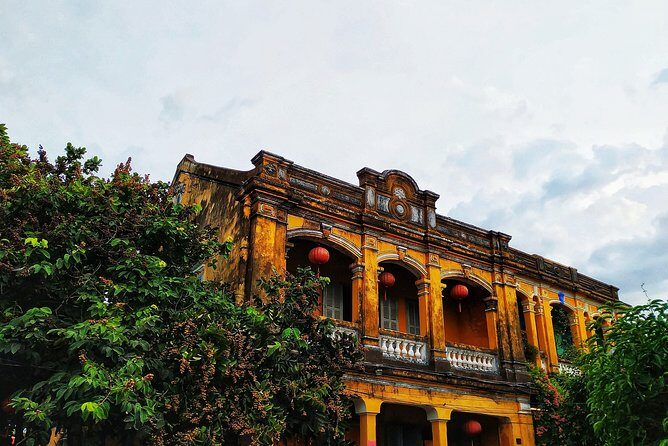
Later, you’ll reach Da Nang Cathedral Church—locally nicknamed Chicken Church. This stop adds a different kind of historical layer, showing how colonial-era influences mixed into the city’s identity.
Then comes Han Market, described as the biggest market in central Vietnam and built by the French during colonial periods. The guide adds community stories, including the Chinese community in Vietnam and how that presence shaped everyday life around the market.
What this section gives you: it’s an easy way to understand how multiple cultures overlap in one place without forcing you to read a textbook. You can walk past what’s visibly there—shops, crowds, stalls—and still get the “why” behind it through the guide’s storytelling.
If you like markets, this is one of the more worthwhile ones in the route because it connects to colonial history and immigrant-community influence rather than feeling purely like shopping.
Coconut coffee and salted milk coffee: the finish that feels like Vietnam
You wrap up with coffee that’s very “Da Nang” in flavor character: coconut coffee or salted coffee (often referenced as salted milk coffee). The tour frames this as one of the reasons people call Vietnamese coffee among the best, and the included finish is a smart choice because it ends the day on something you can actually taste right then.
In a day that moves through sculptures, temples, markets, and war-era city traces, coffee works as a reset button. You sit for a moment, cool down, and process what you learned while you’re still in the flow of the city.
Practical tip: try one if you can, and sip slowly. Salted milk coffee can be unexpectedly different from what you expect if you’ve only tried standard espresso-style drinks.
Price and what you truly get for $28
At $28 per person for a 1-day route, the value comes from the mix: museum entry + a guided walk with historian background + lunch pho + drinks (herbal tea plus coconut or salted coffee).
Here’s what you can count on being included:
- Cham Museum entrance tickets (for seeing the sculptures)
- Chicken Pho or Beef Pho
- Green Hanoi herbal tea
- Coconut coffee or salted coffee
- Private guided tour with historian background
What’s not included (so you don’t get surprised):
- Tips for the guide, suggested minimum $4 per person
- Pick-up and drop-off
- Personal drinks beyond what’s included
- Travel insurance
If you were paying the museum ticket yourself and then adding a paid guide plus a full meal and coffee, the total adds up quickly. The fee also makes sense if you’re short on time in Da Nang. This is a way to compress “a lot of Da Nang” into one organized day without doing five different bookings.
Who should book this walking history tour?
This tour is a strong fit if you want:
- A Da Nang history tour that connects religion, art, and city life, not just sightseeing
- Food stops that feel timed and intentional (pho + herbal tea + salted or coconut coffee)
- A guide who can explain what you’re looking at, especially inside Cham Museum
It’s also a good choice for visitors who plan to go to My Son later. Learning Champa context first makes the ruins and sculpture themes easier to recognize on your next day.
If you hate walking long distances, you might find it tougher. The schedule sounds compact, but it’s still a full-day city walk.
Should you book this tour?
Yes, if you want a guided, story-driven day that balances big culture (Cham sculptures and a pagoda) with practical street life (markets, alleys, pho, and coffee). The strongest reason to book is the way the guide stitches everything together so you finish with more than a photo set—you finish with a clearer timeline of how Champa, colonial influences, local belief, and war-era traces shaped Da Nang.
I’d skip or rethink it only if you’re not interested in museum-based context or you prefer your food explorations to happen entirely on your own terms. Otherwise, $28 plus a knowledgeable historian-style guide and included meals is a solid deal for a one-day introduction to central Vietnam.
FAQ
Where is the meeting point?
You meet your guide in front of Cham Museum.
What food and drinks are included?
The tour includes Chicken Pho or Beef Pho, Green Hanoi herbal tea, and coconut coffee or salted coffee.
Is the tour private or shared?
Private group options are available, and the tour is run with a live English guide.
How long is the tour?
It runs for 1 day.
What is not included in the price?
Tips for the guide (minimum $4 per person), pick-up and drop-off, personal drinks outside the tour, and travel insurance are not included.
Is there free cancellation?
Yes. You can cancel up to 24 hours in advance for a full refund.