REVIEW · WORKSHOPS
Da Nang: Tandoori Naan Bread-Making Class
Book on GetYourGuide →Operated by RANG Danang · Bookable on GetYourGuide
Warm bread, fast hands, zero intimidation.
In Da Nang, this tandoori naan bread-making class turns an everyday Indian staple into something you can actually make at home, with a small group and chef guidance at RANG.
I like that you do the work: knead dough, shape the naan, season it, then bake it and taste it while it’s still hot. I also like the focus on practical method, including how to bake naan without a tandoor using an oven alternative.
One thing to consider: this is a food class, not a nightlife-style experience, and alcohol and drugs aren’t allowed.
In This Review
- Key highlights you’ll feel in your hands
- Why RANG Danang is a smart place to learn Indian cooking
- The class flow: from dough kneading to tandoor-style naan
- What naan skills you’ll practice (and why they matter)
- The spices, variations, and toppings that fit your tastes
- The tandoor moment: how the bread gets its character
- Learning the story behind naan, from Punjab to Delhi
- Price and value: what $2.60 gets you in real terms
- Who should book this Da Nang naan-making class
- Practical takeaways: how to recreate naan at home without a tandoor
- A quick note on the people and vibe
- Should you book the Da Nang Tandoori Naan class?
- FAQ
- Where is the meeting point?
- How long is the Da Nang Tandoori Naan bread-making class?
- What is the group size?
- Do I need prior cooking experience?
- What languages are used in the class?
- What will I taste during the class?
- Is the class suitable for children?
- Is alcohol allowed?
- FAQ
- Is there free cancellation?
- Can I reserve without paying right away?
Key highlights you’ll feel in your hands
- Make naan from scratch with hands-on dough prep and shaping
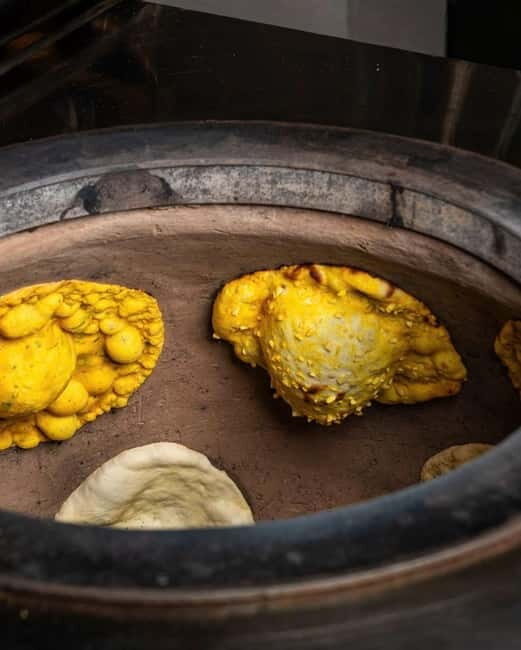
- Slap-and-bake technique inspired by tandoor cooking (with an oven alternative for home)
- Chef support in English, Vietnamese, and Hindi for beginners
- Signature dips + fresh naan tasting right after you bake
- Small group of up to 8 so questions don’t get lost
Why RANG Danang is a smart place to learn Indian cooking

This class is based at RANG Danang, an internationally Indian restaurant in Central Vietnam. It also has real credibility: the restaurant was recognized with the Michelin Bib Gourmand in 2024 and 2025, which matters because it usually signals strong food quality at moderate prices.
What I like about learning here is the atmosphere. One review noted the class happens in the real kitchen while other chefs are cooking for customers, which means the teaching environment is professional and active, not a staged demo space. You’re not just learning theory; you’re watching how working kitchens flow.
And because RANG is a fusion-style Indian restaurant, you’ll get a practical, slightly broader view of how naan fits into real meals in Vietnam. That helps if you’re trying to connect the class to dinner plans—naan isn’t floating off on its own, it’s part of curry culture.
You can also read our reviews of more tours and experiences in Da Nang



The class flow: from dough kneading to tandoor-style naan
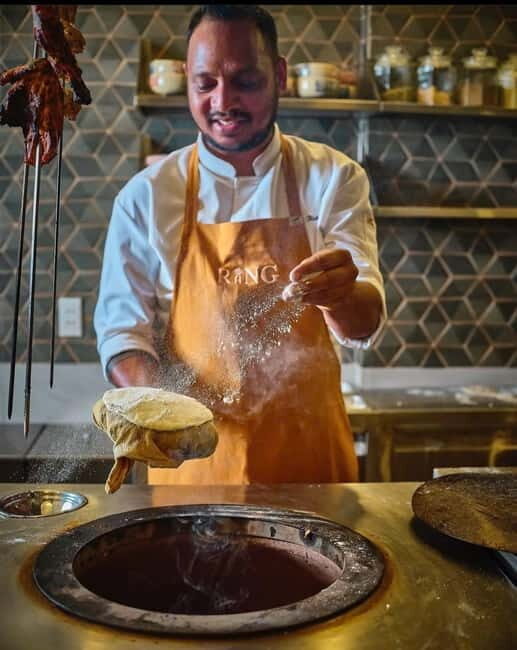
This is a one-day experience built around doing, not watching. You start by learning how naan dough comes together—kneading is the core skill, and it’s where most beginners need the most reassurance. The class is designed for people with no prior cooking experience, and the instruction is interactive.
From there, you move into seasoning and shaping. Naan isn’t just bread; it’s a style. That means you’ll practice how to form it so it bakes into that soft, fluffy texture and stays flavorful, not bland.
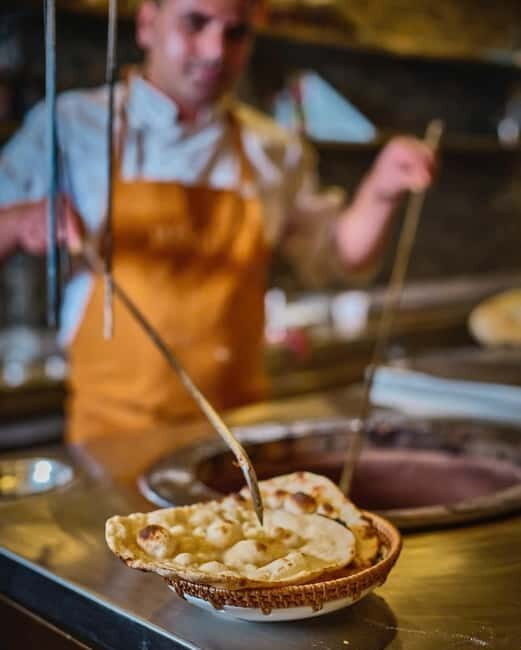
The fun moment is the baking method. You’ll experience the thrill of “slapping” naan onto a tandoor, but the activity also acknowledges reality: you may not have a tandoor at home. So you’ll learn the oven alternative idea as well, which is important because it’s what turns this from a cool day trip into an at-home skill.
Finally, you’ll taste your freshly baked naan with signature dips. That tasting part is more than a reward—it’s your feedback loop. You’ll see what worked in dough prep, what happened with shaping, and how seasoning shows up once the naan is out of heat.
What naan skills you’ll practice (and why they matter)
You can think of naan-making as three connected skills: dough readiness, surface and shape, and heat management. This class tackles all three in a beginner-friendly way.
1) Dough prep (the foundation)
Kneading and handling dough affects softness and pull-apart texture. In a lot of home attempts, the bread ends up tough or chewy because the dough wasn’t mixed and rested well. The class approach is designed to prevent that by walking you through the process step-by-step.
2) Seasoning that actually shows up
The class includes learning to season with authentic spices. That’s key because naan can taste flat if seasoning is an afterthought. Here, spices are part of how you build flavor into the bread itself, so your naan isn’t just a vehicle for curry—it becomes a star.
3) Baking technique (heat is the difference)
Tandoor heat is intense and focused, which creates speed and texture. Even if you’re using an oven alternative later, learning the logic behind high heat helps you adjust expectations and methods at home. You’ll also hear the “why” behind technique, which is what makes your results improve faster.
The class also covers different naan styles. You’ll see the progression from plain naan to variations like garlic or butter, plus stuffed ideas such as paneer or keema. Even if you don’t make every single one in the session, you’ll learn enough to choose what you want to try next time.
The spices, variations, and toppings that fit your tastes
One reason naan is so useful is that it adapts. It can be simple and soft for dipping, or it can be dressed up for more flavor. This class uses that flexibility to keep beginners engaged.
You’ll learn how naan pairs with curries, and the class frames naan as a must-have alongside Indian dishes. That’s not just marketing talk. When you understand that naan is meant for scooping and dipping, you stop making it like plain bread and start making it like an eating tool—soft enough to tear, flavorful enough to stand up to sauce.
You’ll also get ideas for creative toppings. You might keep it classic with garlic or butter, or go for something more substantial with stuffed versions. The important part is that you’re not left guessing. Chef guidance covers how to build a naan that matches the curry style you’re serving.
And yes, the tasting with signature dips is part of the strategy too. Those dips help you understand balance—salt, tang, spice level, and richness—so you can recreate similar flavor combinations at home without needing a full Indian grocery list.
The tandoor moment: how the bread gets its character
Tandoor baking is the headline experience. The class includes the thrill of slapping naan onto a tandoor (or an oven alternative for home cooking). That moment matters because it’s tied to heat contact and how the bread sets quickly.
Here’s what you should watch for during the process: how quickly the naan transforms once it hits high heat. That speed is one reason naan ends up soft inside while developing character on the outside.
If your goal is restaurant-style results at home, don’t fixate only on the tool. Fixate on the technique and heat intensity. When you later use your oven alternative, you’ll have a clearer mental model of what you’re trying to recreate—fast cooking and strong surface reaction—rather than just copying “a setting and a time.”
A big win from the class format is that it doesn’t pretend everyone has the same kitchen setup. You get tips for naan without a tandoori oven, which is exactly what you need if you live somewhere without tandoor access.






Learning the story behind naan, from Punjab to Delhi
Food classes get boring when they only focus on procedures. This one adds context: you’ll learn history and techniques that explain why naan is so tied to curry meals.
You’ll hear about naan’s regional significance, including the way it’s connected to hearty meals in Punjab and royal feasts in Delhi. Even if that history doesn’t change your cooking instantly, it changes how you think about the bread. You start seeing naan as part of a food culture, not just a recipe.
That cultural layer is useful when you try new variations. Instead of randomly picking toppings, you’ll understand why certain naan styles fit certain types of meals and why restaurants treat naan differently depending on the curry.
It also makes the class more interesting for conversation later. If you’re traveling with friends, you’ll have actual stories to share while you eat—like where the bread’s reputation came from and why technique matters.
Price and value: what $2.60 gets you in real terms
The listed price is $2.60 per person for a 1-day class, and that’s the kind of number that immediately makes you ask, “Is this really a full experience?” Based on what’s included, it looks like more than a quick taste-and-go.
You get:
- a hands-on bread-making class
- expert chef guidance
- a fresh naan tasting
- signature dips
At this price, you’re paying mainly for instruction and ingredients, and getting a structured cooking skill you can reuse. Most cooking workshops cost many times that for similar “make it yourself” value. Here, the small group size (limited to 8) suggests you’re not stuck in a crowd with one instructor for everyone.
The value is especially strong if you’re the type who likes to bring home a “I can do that” souvenir. A recipe you can repeat beats a sticker, every time.
One more value note: the class happens at a restaurant that’s recognized for good food quality. When the teaching is tied to a strong kitchen, you tend to learn cleaner technique and better flavor judgment.
Who should book this Da Nang naan-making class
This class is a good fit for:
- Beginners who want a guided intro with no prior experience needed
- People who love Indian food and want to make naan that matches curry meals
- Anyone traveling in a small group who prefers personal attention
It’s less ideal if you’re looking for a long formal meal experience or a party vibe. It’s an interactive cooking class with tasting, not a late-night drinking event. Also, children under 7 aren’t suitable, so plan accordingly if you’re traveling with little ones.
Language support is another plus. The instructor team works in English, Vietnamese, and Hindi, which helps if your food vocabulary is limited. That’s also why the experience works well for beginners—you can ask questions in a language you’re comfortable with.
Practical takeaways: how to recreate naan at home without a tandoor
The best classes don’t end when the bread cools. This one gives you pro tips you can use after you get back to your kitchen.
You’ll get guidance on:
- dough prep (so the bread comes out soft and fluffy)
- tandoor techniques (explained in a way you can translate)
- an oven alternative approach for home cooking
- creative toppings based on naan styles you learned
Here’s how you should think about your results at home. Your oven won’t mimic a true tandoor exactly, but you can get close if you focus on the parts the class emphasizes. That means aiming for quick, high heat effects and handling dough carefully so it stays tender.
If you want extra success, pay attention to the texture difference when naan is freshly baked. In a restaurant, naan is hot, soft, and elastic. If you reheat it wrong, it can dry out. So treat naan like a “serve immediately” bread, or plan a reheating method that keeps it flexible.
And since you tasted naan right after baking with signature dips, you’ll have a real flavor reference. Use that as your guide when you adjust seasoning or choose what to serve alongside your homemade breads.
A quick note on the people and vibe
RANG Danang’s staff clearly make a difference in how the class feels. One review named Chef Manku and server Amit as standout team members, and mentioned how welcoming and joyful the kitchen atmosphere was.
Another review praised that the class is done in a clean, professional kitchen environment, while noting there’s no pushiness around pairing or ordering. That matters because it keeps the experience focused: you come to learn and cook, not to get pressured into extra sales.
In short, this feels like a serious cooking moment wrapped in a friendly setup.
Should you book the Da Nang Tandoori Naan class?
I think you should book it if you want a high-value, beginner-friendly cooking experience with real technique and a bread you’ll actually use at home. The small group size, hands-on format, and chef tips for oven-style baking are the main reasons it works so well.
Skip it if you’re traveling with young kids under 7, or if you’re hoping for an alcohol-centered evening rather than a focused bread-making class.
If your goal is to leave Da Nang with a skill (not just photos), this one is hard to beat—especially at the listed $2.60 per person price.
FAQ
Where is the meeting point?
The class meets at RANG, an internationally Indian restaurant in Da Nang, Vietnam.
How long is the Da Nang Tandoori Naan bread-making class?
The experience lasts 1 day.
What is the group size?
It’s a small group limited to 8 participants.
Do I need prior cooking experience?
No prior experience is needed.
What languages are used in the class?
The instructor speaks English, Vietnamese, and Hindi.
What will I taste during the class?
You’ll taste the naan you bake, and you’ll enjoy it with signature dips.
Is the class suitable for children?
It’s not suitable for children under 7 years.
Is alcohol allowed?
No—alcohol and drugs are not allowed.
FAQ
Is there free cancellation?
Yes. You can cancel up to 24 hours in advance for a full refund.
Can I reserve without paying right away?
Yes. The option is reserve now & pay later, so you can book your spot and pay nothing today.