REVIEW · CRUISES & BOAT TOURS
From Da Nang: Hoi An Old Town Tour, Night Market & Boat Ride
Book on GetYourGuide →Operated by KK Travel · Bookable on GetYourGuide
Hoi An looks like a postcard by day, then turns magical at night. This Da Nang to Hoi An tour strings it together with the bamboo basket boat at Cam Thanh and a flower-lantern river ride on the Hoai River. A big part of the fun is the guide energy, and names like Lucy and Sunny pop up in the experience you’ll likely get.
Two things I really like here: you get a guided walkthrough of the historic sights (not just wandering), and the night pieces feel built-in rather than optional. One thing to consider is pacing—if you want long stops for photos and slow browsing, the schedule can feel a bit tight, and English clarity can vary from guide to guide.
In This Review
- Key things to know before you go
- Getting from Da Nang to Hoi An without the headache
- Cam Thanh Coconut Village: bamboo basket boat and traditional fishing
- Phuc Kien Chinese Assembly Hall: where ancestor worship meets architecture
- Hoi An’s Japanese Bridge: symbolism you’ll actually notice
- Ancient houses that survived 200 years (and war)
- Museum of Folklore: folk-art demonstrations inside an old merchant home
- Old-town wandering, handicraft shops, and quick alley time
- Dinner with local specialties: fuel before the lantern hour
- Hoai River evening boat ride and releasing a flower lantern
- The lantern-lit night market: where you actually find souvenirs
- Price and value around $45 per person
- Who this tour suits best (and who might prefer something slower)
- Should you book the Da Nang to Hoi An Old Town Tour?
- FAQ
- How much is the tour?
- Where does pickup happen for this Hoi An experience?
- What activities are included besides walking in Hoi An?
- Which sights will I see in Hoi An?
- What should I bring for the tour?
- What languages are available?
- Can I pay later and cancel if plans change?
Key things to know before you go
- Cam Thanh bamboo basket boat through coconut palm waterways, plus traditional fishing time
- Phuc Kien Chinese Assembly Hall with ancestor worship and family altar rituals
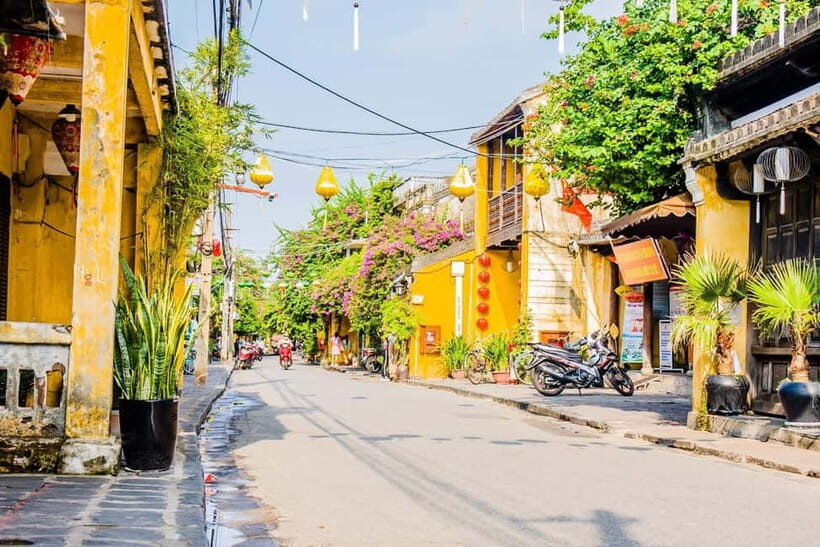
- Hoi An old town highlights including the Japanese Bridge and one of the preserved ancient houses
- Museum of Folklore inside a 150-year-old merchant home, with live folk-art demonstrations
- Hoai River lantern boat + night market for good-luck release and souvenir browsing after dark
Getting from Da Nang to Hoi An without the headache
The best reason to book a guided day like this is simple: you don’t have to coordinate buses, taxis, and timing between spots that are spread out. You’ll get hotel pickup and drop-off, and the tour is designed to run as a connected route starting from the countryside area at Cam Thanh and ending in Hoi An when the lanterns are lit.
Hoi An itself is easy to get to, but harder to do well in one day without a plan. This tour gives you that plan, plus a human guide to translate what you’re seeing—especially at the Chinese and Japanese-influenced sites where the meaning behind the details matters.
One practical point: the tour runs in English and Spanish depending on the guide, but how smooth the explanations feel can vary. If you rely on perfect English for everything, bring a translation app and have your questions ready.
You can also read our reviews of more boat tours in Da Nang


Cam Thanh Coconut Village: bamboo basket boat and traditional fishing
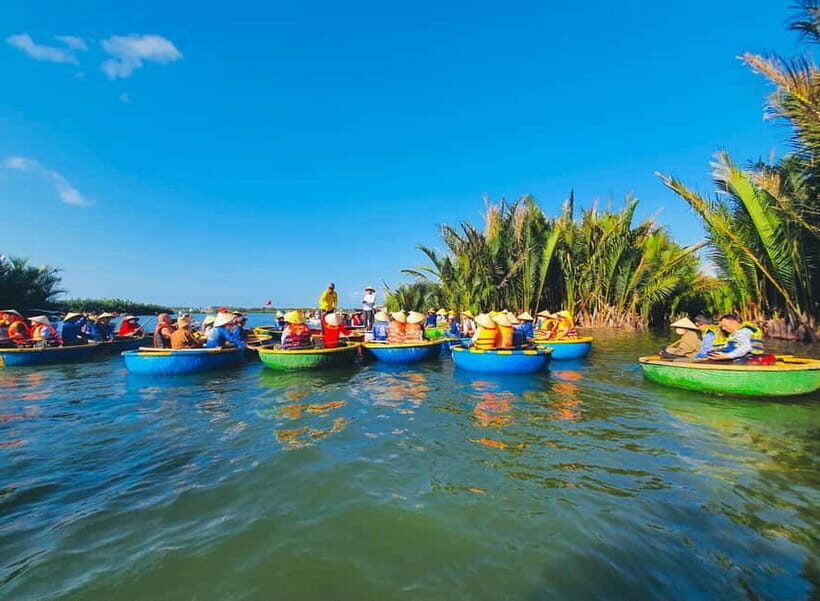
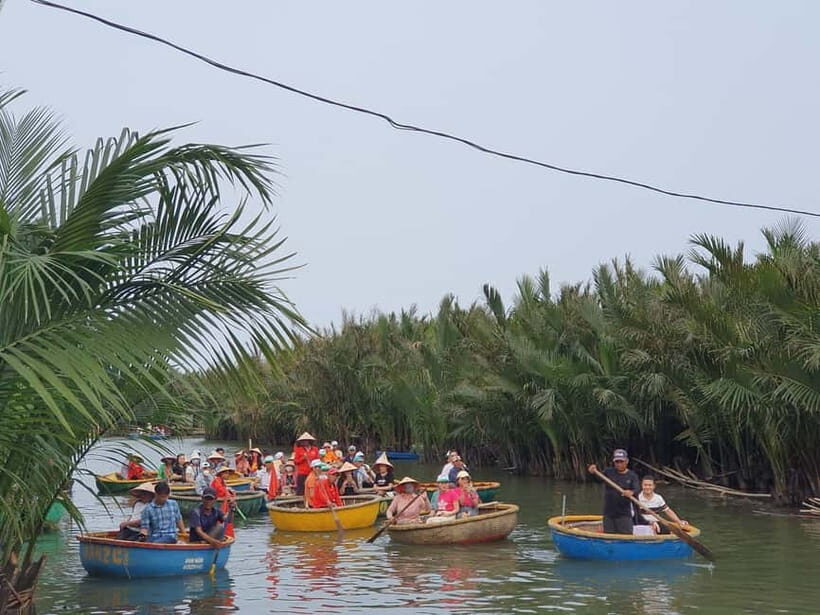
The day starts in the Cam Thanh area at Cam Thanh Coconut Village, where you trade roads for water paths. You’ll ride a bamboo basket boat through calm waterways lined with water coconut trees, and the whole point is to show you local life at a slower speed than the old town streets.
This is also where you get hands-on time. Traditional fishing is part of the experience, so you’re not just watching from the shore. It’s the kind of activity that makes the rest of the tour click, because you finally connect Hoi An’s history to real work people did around the river and fishing channels.
Here’s a reality check. Water-activity areas can have a bit of a tourist setup, and some experiences may come with extra expectations for tips. If you don’t mind that, it’s fine—just go in with small cash and a clear head. And yes, you might even get surprise wildlife sightings like monkeys around the area, which can add a fun, unexpected moment.
Phuc Kien Chinese Assembly Hall: where ancestor worship meets architecture
After the countryside start, the tour shifts hard into old-town symbolism. At Phuc Kien Chinese Assembly Hall, you’ll see the bright, dramatic look that Hoi An is famous for: gate-like entrances, dragon details, and layered rooftops that feel more like a landmark than a building.
What makes this stop more than a photo break is the ritual layer. You’ll get an introduction to ancestor worship, including how the family altar is used and what it means when devotees make offerings. A good guide turns this from “interesting temple stuff” into a quick lesson on how merchant communities kept family ties and respect at the center of life.
Watch for details during the visit: the arrangement around the altar, the vibe of people participating, and the way the guide connects the visuals to beliefs. If you’re even slightly curious about Vietnamese-Chinese cultural history, this is one of the strongest stops on the route.
Hoi An’s Japanese Bridge: symbolism you’ll actually notice
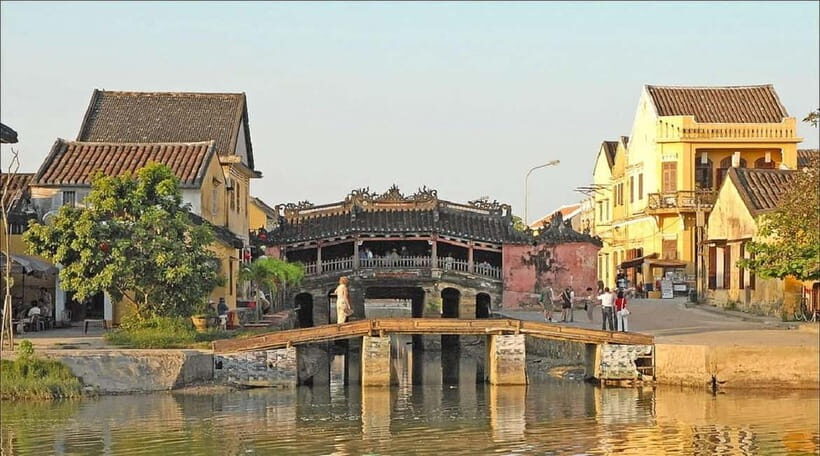
Next up is the Japanese Bridge, constructed more than 400 years ago to connect communities across the water. The guide experience here matters, because the carvings and paintings aren’t just decoration—they carry cultural meaning tied to how Hoi An’s Japanese residents and Chinese neighbors interacted.
When you walk onto and around the bridge, you’ll want to pause and look. The interior details (carving and painted surfaces) can be easy to miss if you’re rushing. Taking a moment to ask questions helps, because the bridge’s symbolism becomes clearer once someone explains how to read it.
The bridge also works as a mental reset. After the temple-style complexity of Phuc Kien, this stop feels more like a single, focused story about connection—built literally as a crossing, then reinforced by shared life across the river.
Ancient houses that survived 200 years (and war)
Hoi An isn’t just pretty streets. It still has physical evidence of how merchants lived. You’ll visit either the Phung Hung Ancient House or the Tan Ky Ancient House, both known for being well preserved—about 200 years of weather and war.
These houses matter because they show you the “why” behind Hoi An’s wealth in earlier centuries. The tour will link what you’re seeing to the prosperous merchants who traded with buyers from far away, and you’ll learn how these homes reflect status, family structure, and the everyday rhythm of long-term residency.
Even if you’re not a history nerd, this is a useful stop because it anchors everything you saw before. The assembly hall explains belief and community, the bridge explains cross-cultural connection, and these houses explain how money and migration shaped the city’s layout.
Pro tip: bring patience for slow looking. The most rewarding parts are often the quiet details—doorways, layout, and the small clues a guide points out.
You can also read our reviews of more shopping tours in Da Nang



Museum of Folklore: folk-art demonstrations inside an old merchant home
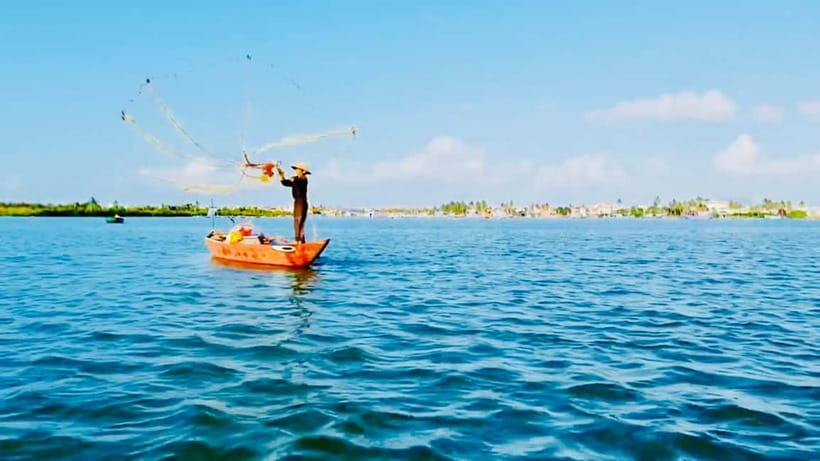
The Museum of Folklore is housed in a 150-year-old Chinese merchant house, which already gives it more character than a standard museum building. You’ll see artifacts displayed across two floors that reflect daily life from long ago.
Then comes the part that often turns “museum time” into real engagement: live demonstrations of folk art. When the guide connects the tools, techniques, and values behind the craft, you start to understand what folk traditions were meant to protect and pass down—not just what they look like.
If you love seeing how traditions get practiced (not just displayed), this is one of the best value blocks in the itinerary. It’s also a good break point in the day, especially if the morning sun in Hoi An’s old-town streets starts to feel intense.
Old-town wandering, handicraft shops, and quick alley time
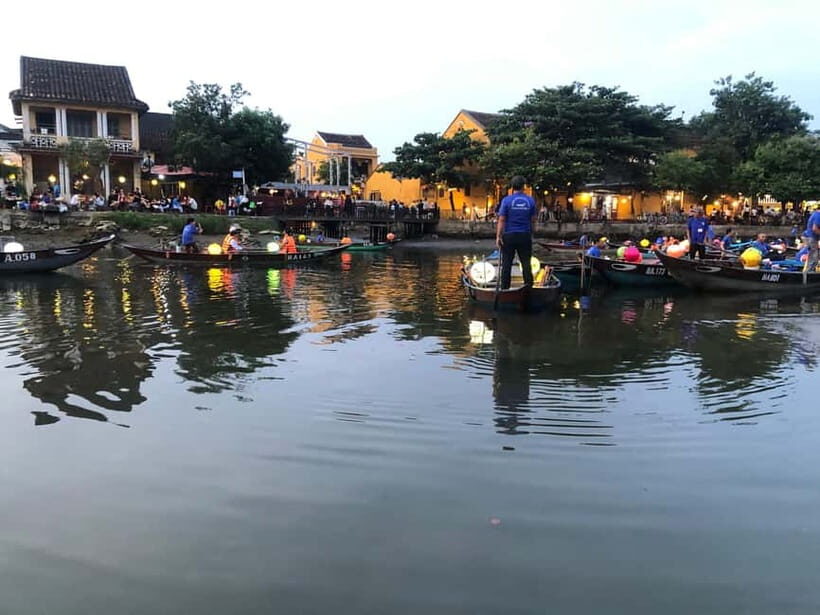
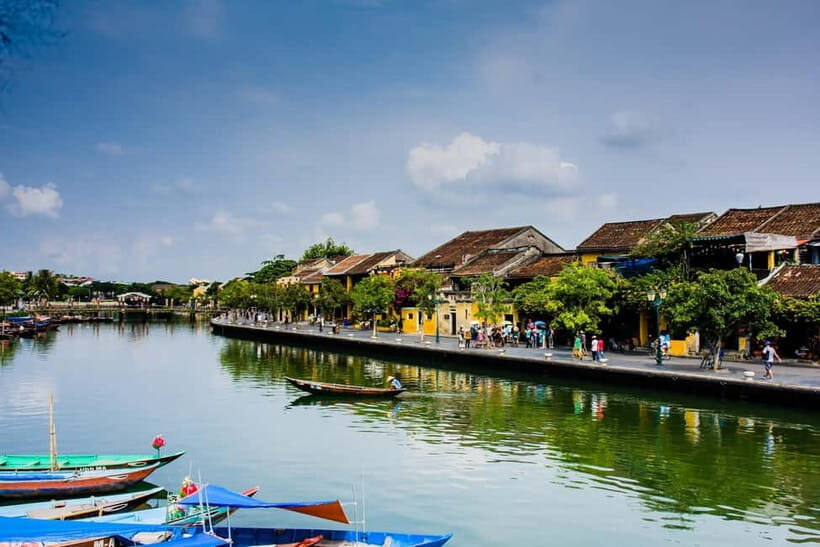
Between major landmarks, the tour includes handicraft shops and artwork galleries plus time to walk smaller alleys and local neighborhoods. This is where you get a sense of the city’s layout beyond the top “must-see” sites.
Why this part is worth doing with a guide: Hoi An can feel like you’re always one street away from something pretty. A good guide helps you notice what’s actually important, and where the best browsing lanes and workshop-style shops tend to cluster.
At the same time, keep your expectations realistic. If you’re hoping to shop for hours, this isn’t a free-roam day. You get time, not a blank canvas. If shopping is a priority, plan to return on your own after this tour so you can slow down and compare prices.
Dinner with local specialties: fuel before the lantern hour
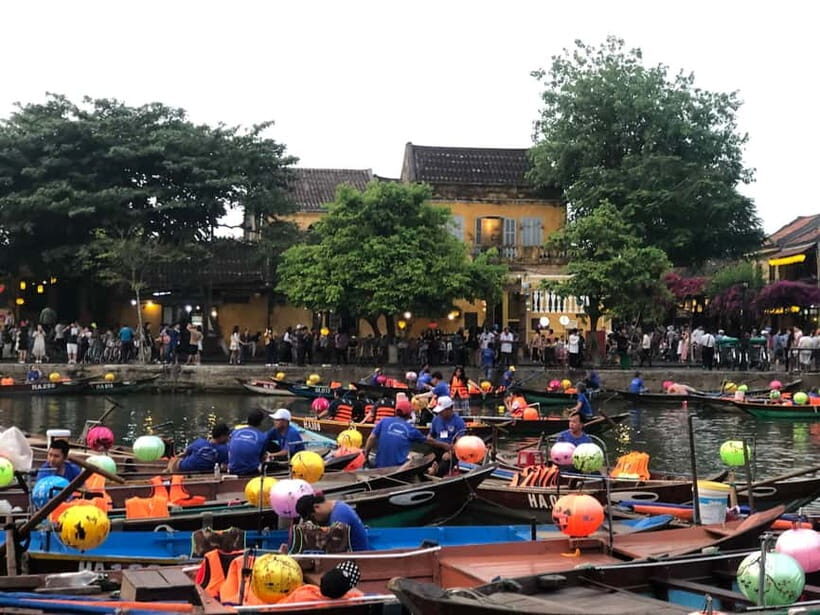
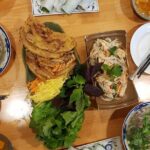
Dinner is included, and it’s designed as a key energy reset before the evening pieces. The menu is described as local specialty food, but you’ll want to use the standard travel approach: tell your guide about allergies or preferences if you have them.
One nice touch from real-world experience is that the restaurant handling can be flexible. A guest noted that the dinner catered to allergies and preferences, which tells me this isn’t a one-size-fits-all buffet experience.
Timing matters here, and that’s the main drawback to watch for. If your schedule runs the lantern boat while it’s still daylight, you might feel like the photo moment comes too early and the dinner feels disconnected. If night atmosphere is your goal, ask your guide how the order lines up on your specific day and keep an eye on the sunset timing.
Hoai River evening boat ride and releasing a flower lantern
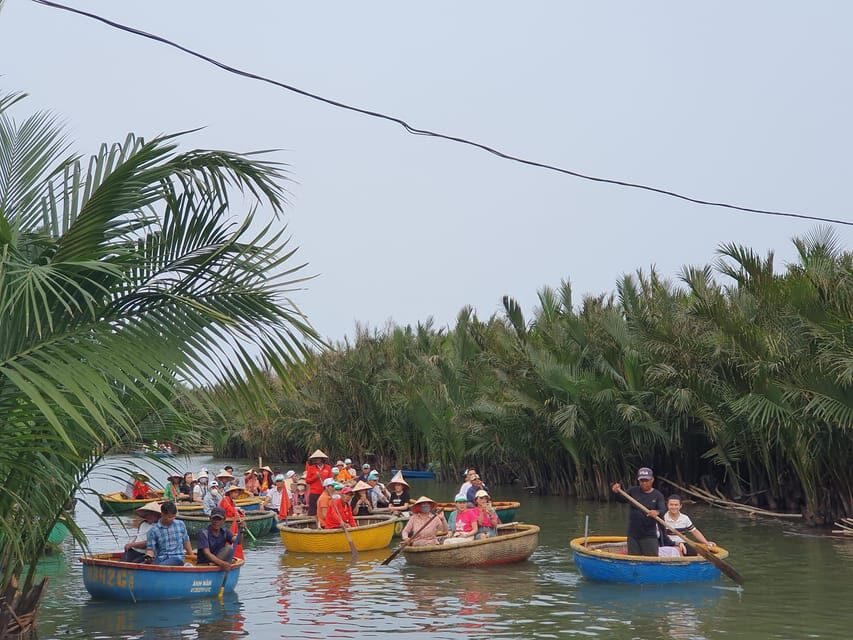
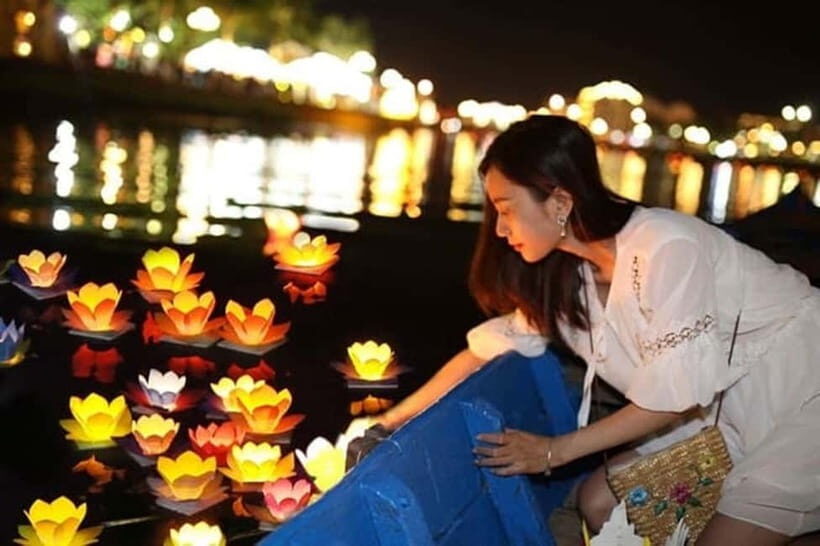
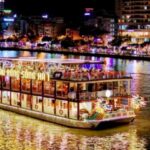
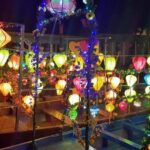
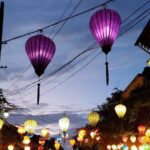
When the sky turns, the tour shifts into its signature vibe. You’ll do an evening boat ride on the Hoai River, and you’ll release a flower lantern for good luck.
This part feels magical, and it’s also practical to prepare for. Bring your camera, but also be ready for crowd and lighting conditions. Lantern light is beautiful, yet it can be harder for crisp photos than you expect, so take a few quick test shots early.
There’s also a subtle mindset shift you should have before you go. Think of the lantern release as a shared ritual, not just a spectacle. If you treat it like a moment to slow down and take in the river lighting, it lands better—even if you’re not a “tour gimmick” person.
The lantern-lit night market: where you actually find souvenirs
After the river time, you’ll head to the lantern-lit night market. This is the payoff for the earlier history stops: you see Hoi An’s street life in full gear, with lights, snacks, and stalls that sell everything from small gifts to handmade-style crafts.
This is a good place to shop because the atmosphere matches the theme. You’re not just buying a random trinket—you’re buying into the night energy the city is known for.
One practical tip: decide what you want before you walk the whole market. If you wander aimlessly, you’ll end up spending time comparing too many items. If you’re specific—lantern-style souvenirs, small craft pieces, or local snacks—your money and time both go further.
Price and value around $45 per person
At about $45 per person, the value mainly comes from the mix of inclusions. You’re not just getting a walking tour of old streets. You’re also getting hotel pickup and drop-off, a bamboo basket boat ride, traditional fishing time, a guided old-town route, museum entry with demonstrations, dinner, and then the evening boat ride + flower lantern release + night market.
If you tried to DIY this, the cost would rise fast once you add transport between Cam Thanh, old town, and the evening spots. Also, you’d likely lose the guide explanations that help you understand places like Phuc Kien and the Japanese Bridge carvings.
So, is it worth it? For most first-timers, yes—especially if you want a structured “best of Hoi An in one day” and you like the idea of ending with lantern night energy.
The one place to be cautious is pace. If you prefer slow, independent exploration and long time in one place, this price can feel less like value and more like schedule pressure.
Who this tour suits best (and who might prefer something slower)
This tour fits you if:
- You want a guided overview that connects Hoi An’s cultural threads fast
- You like activity time: bamboo basket boat, fishing practice, and the river lantern ride
- You enjoy old town landmarks but also want the night market experience
- You’re okay with a plan that moves from morning to evening without lots of long pauses
You might skip (or pair it with extra free time) if:
- You hate feeling rushed and want to linger at each site
- Your main goal is shopping with no time limits
- You need very detailed explanations and your comfort depends on fluent English
Also, if you’re the type who loves to build your own day, treat this tour as your “orientation day.” Then go back afterward for slower wandering on your schedule.
Should you book the Da Nang to Hoi An Old Town Tour?
If you want a day that covers the big pieces—Cam Thanh basket boat, Hoi An old town architecture like Phuc Kien and the Japanese Bridge, the Museum of Folklore, plus dinner, the Hoai River lantern ride, and the night market—then yes, booking makes sense.
Book it if you like structure, and if you’re happy trading a bit of slow time for the convenience of hotel transfers and a guide who can explain the meaning behind the sights. Skip or adjust your plan if you want a super slow day; in that case, you’ll probably enjoy doing old town on your own after you’ve already seen the highlights.
FAQ
How much is the tour?
The price is listed as $45 per person.
Where does pickup happen for this Hoi An experience?
The tour includes hotel pickup and drop-off from Da Nang and around, and it also mentions pickup from Hoi An or nearby areas.
What activities are included besides walking in Hoi An?
Included activities are a bamboo basket boat ride at Cam Thanh, traditional fishing, a guided walk in Hoi An Old Town, dinner with local specialty, an evening boat ride on the Hoai River, releasing a flower lantern, and visiting the night market.
Which sights will I see in Hoi An?
You’ll visit the Phuc Kien Chinese Assembly Hall, the Japanese Bridge, the Museum of Folklore, and a preserved ancient house such as Phung Hung Ancient House or Tan Ky Ancient House, plus some handicraft shops and artwork galleries.
What should I bring for the tour?
Bring comfortable shoes, a camera, sunscreen, and water.
What languages are available?
The tour languages listed are Spanish and English.
Can I pay later and cancel if plans change?
It offers reserve & pay later, where you can book your spot and pay nothing today. It also states that you can cancel up to 24 hours in advance for a full refund.