REVIEW · COOKING CLASSES
Da Nang Cooking: Market tour, farming, and cooking class
Book on GetYourGuide →Operated by HOI AN FOOD TOUR · Bookable on GetYourGuide
Cooking in Da Nang starts on the ground.
This class ties together farming, a market tour, and a hands-on cook session so you understand what goes into Vietnamese flavors before you ever heat a pan.
I love that you do real steps, not just watch. You’ll cook four traditional dishes with an English-speaking guide, get recipe copies in English, and finish with herbal tea made from organic ingredients.
One heads-up: you’re on your own for hotel pickup and drop-off, so you’ll want to plan your ride to the start point ahead of time.
In This Review
- Key takeaways before you go
- Organic farm basics: where your ingredients get their story
- Da Nang market tour: the ingredient shopping lesson you’ll use again
- Cooking class menu choices: what you’ll learn to cook
- Hands-on learning: the real skills you’ll take home
- The cooking station payoff: flavors, textures, and why they work
- Pho and Quang noodle: mastering the base flavor idea
- Banh Xeo and spring rolls: texture is the whole game
- Salads: sour, sweet, and heat in the right proportions
- Herbal tea and dessert: finishing the meal the Vietnamese way
- Farming, market, cooking: how the timing options really affect your day
- The short cooking-only option (about 2.5 hours)
- The full experience (about 4 hours)
- Optional coffee making workshop (1.5 hours)
- Group size, guide energy, and how personal it feels
- Price and value: is $25 a good deal?
- Who should book this Da Nang cooking experience
- Should you book: my practical recommendation
- FAQ
- How long is Da Nang Cooking: Market tour, farming, and cooking class?
- What dishes will I cook?
- Is there a vegetarian menu?
- Does the full experience include farming and a market tour?
- Can I take a shorter cooking class?
- What language is the class taught in?
- Is hotel pickup and drop-off included?
- How many people are in the class?
- Can I add a coffee making workshop?
Key takeaways before you go
- Organic farm start: you learn planting and watering before you shop for ingredients
- Market tour with ingredient know-how: pick items with guidance, not guesswork
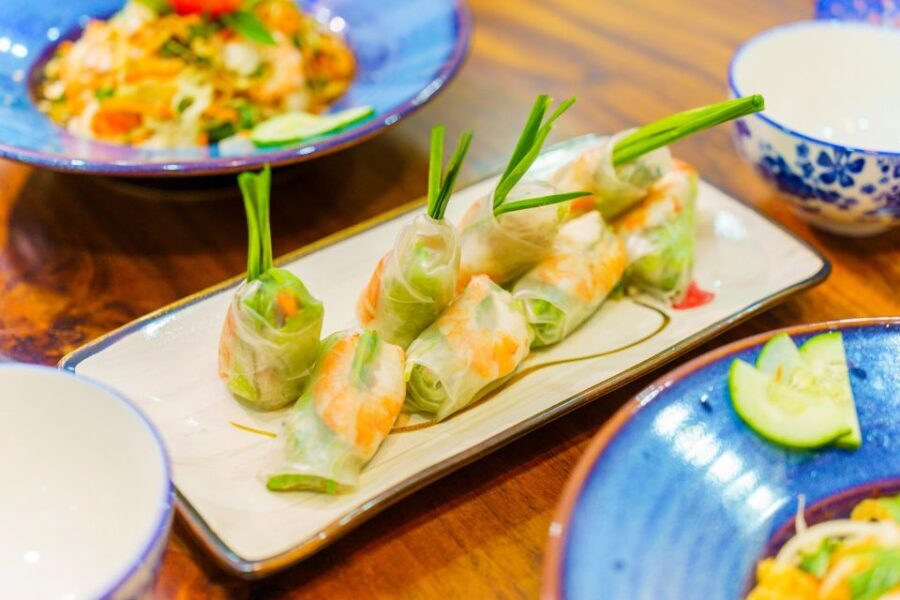
- Cook 4 dishes hands-on: Pho, Banh Xeo, Quang noodle, spring rolls, and more
- Herbal tea tasting: sample organic tea as part of the experience
- Small group (14 people): more attention at every cooking step
- 2 menu rotations + vegetarian option: you can tailor your food to your dates
Organic farm basics: where your ingredients get their story
The day begins at an organic farm, and it’s a smart way to start. Before you touch anything in the kitchen, you learn what growing looks like in real life: planting, watering, and how a farm prepares vegetables and herbs for harvest.
Even if you’re not a farming person, this matters because Vietnamese cooking rewards that kind of awareness. When you learn which ingredients come from the garden, you cook with more confidence later. You also get a feel for the pace of farm work, which makes the rest of the tour feel less like a show and more like a process.
You might also notice that weather doesn’t derail the experience. The class is designed to keep going whether it’s sunny or rainy, so you’re not paying for a plan that collapses the moment the sky changes.
You can also read our reviews of more shopping tours in Da Nang
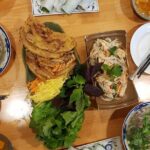
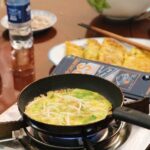
Da Nang market tour: the ingredient shopping lesson you’ll use again
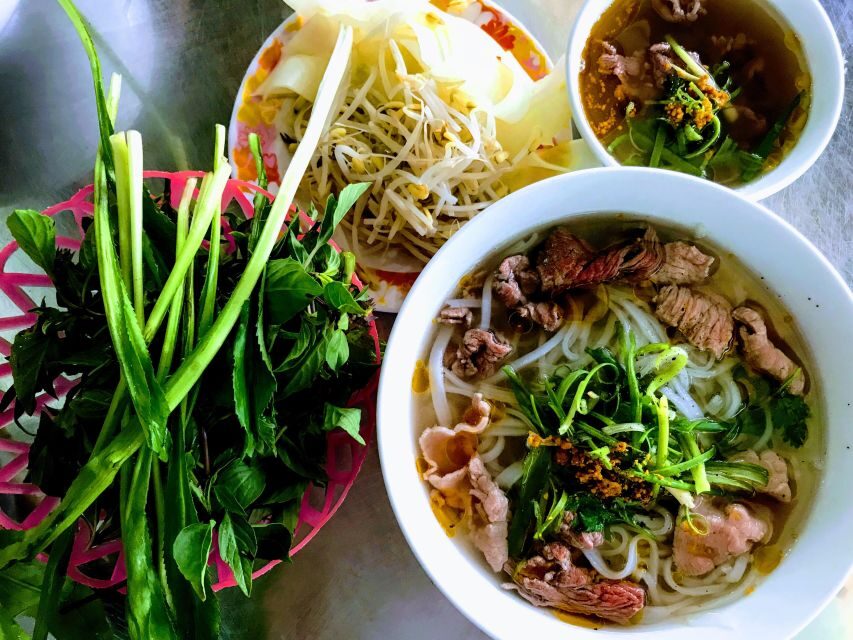
After the farm, you head to the local fresh market to pick up ingredients. This is where the tour becomes practical. You learn the Vietnamese ingredients behind the dishes, and you get help figuring out what to buy and how to recognize quality.
Markets can be overwhelming on your own, especially if you don’t speak the language. Here, the guide’s job is to make the shopping part understandable. You’re not just walking past stalls. You’re learning what each ingredient does in the final plate.
One detail that can make a big difference: you may find the morning option feels less crowded. If that’s a priority for you, choosing a morning start is a good idea.
Cooking class menu choices: what you’ll learn to cook
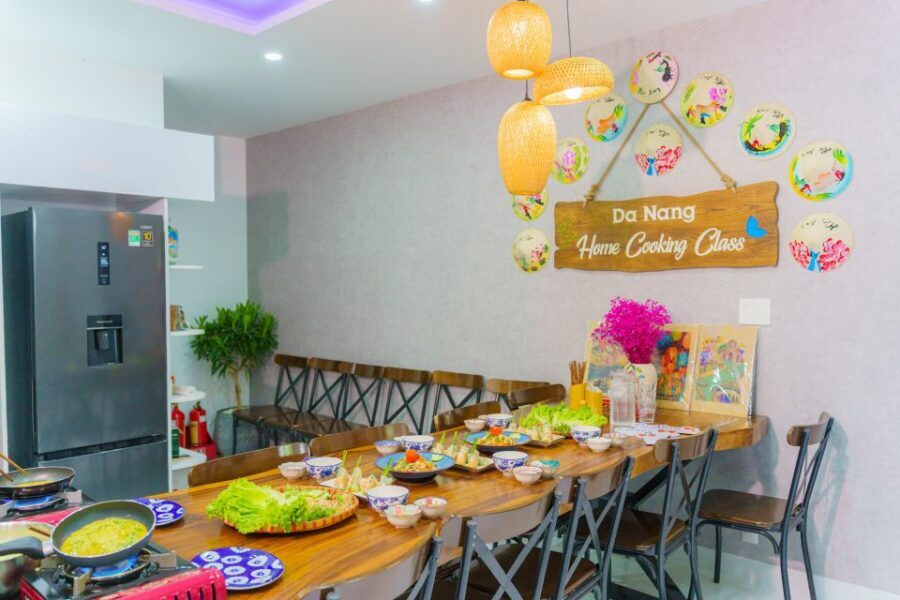
You’ll cook 4 traditional dishes hands-on. Which four depends on the day’s menu rotation, and there’s also a vegetarian option.
Here’s how the menu works:
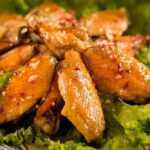
- Menu 1 (Mon, Wed, Fri): Quang noodle; Fish sauce chicken wing; Green papaya salad with shrimp; Deep-fried spring rolls
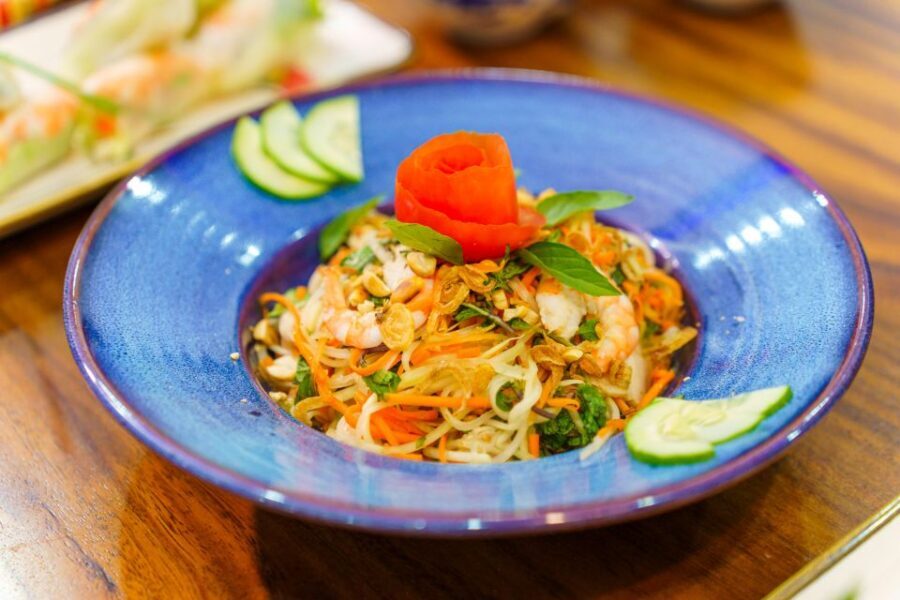
- Menu 2 (Tue, Thur, Sat, Sun): Beef noodle soup (Pho); Crispy Vietnamese Pancakes (Banh Xeo); Green mango salad with shrimp; Fresh spring roll
- Vegetarian option (available): Quang noodle or Pho; Eggplant stir fry; Mango salad or papaya salad; Fried spring roll or fresh spring roll
This is great for planning because you can match the dishes to your taste. If you want the classic comfort route, go for Pho from Menu 2. If you’re more curious about Da Nang identity, Quang noodle shows up on both Menu 1 and the vegetarian option.
Hands-on learning: the real skills you’ll take home
The class is built around techniques, not just recipes. The guide teaches what you need to get good results, whether that’s balancing flavors for noodle soup, wrapping spring rolls, or getting a crisp finish on pancakes.
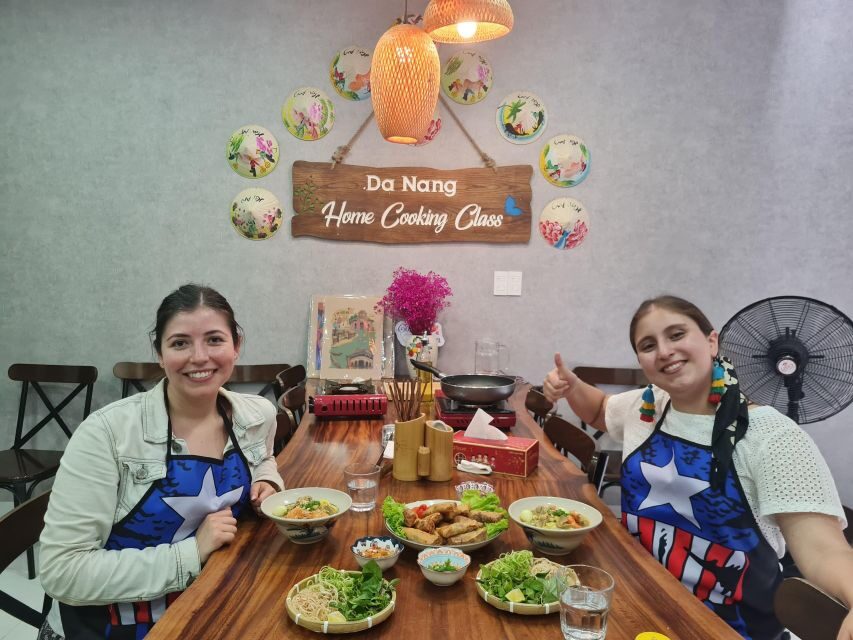
You’ll likely rotate through steps in the kitchen with a group small enough that you don’t feel lost or pushed to the sidelines. With a group size of 14, you can actually do the work, ask questions, and get corrections while you still remember what you did wrong (or right).
And yes, you’ll eat what you make. The lesson includes dessert, plus herbal tea and water during the experience, so your “practice cooking” turns into a full meal rather than a snack break.
The cooking station payoff: flavors, textures, and why they work
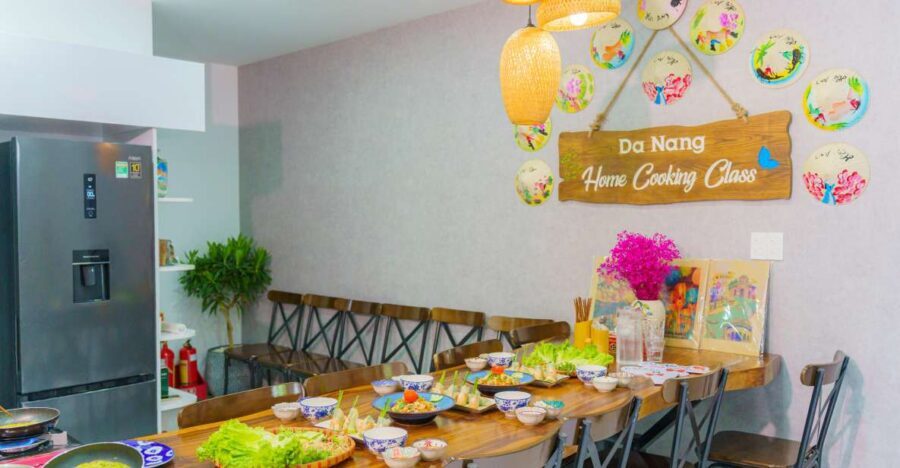
Vietnamese food lives on contrast: cool herbs vs hot broth, crunch vs soft wrappers, tang vs sweetness. This class helps you understand those contrasts in a direct way.
You can also read our reviews of more tours and experiences in Da Nang
Pho and Quang noodle: mastering the base flavor idea
If you get Menu 2, you’ll cook Beef noodle soup (Pho). If you’re on Menu 1 or vegetarian mode, you’ll cook Quang noodle instead. Either way, you’re learning how beef noodle soups are built around aromatic depth and layered flavor.
The key value here is technique awareness. You learn that pho and quang noodle aren’t just “pour broth and hope.” There are ingredient choices and timing decisions that change the outcome, and you get guidance while you cook, not after.
Banh Xeo and spring rolls: texture is the whole game
If you’re on Menu 2, Crispy Vietnamese Pancakes (Banh Xeo) are on the menu. Expect to focus on achieving crispness and managing the batter and fillings. It’s the kind of dish that teaches patience and precision at the stove.
Spring rolls are split across menus:
- Menu 1 includes deep-fried spring rolls
- Menu 2 includes fresh spring rolls
- Vegetarian menu includes either fried or fresh spring rolls
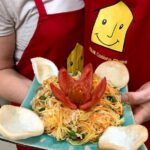
This variety is a hidden benefit. You see how wrapper prep and cooking method change the end result. Fresh rolls teach balance and wrapping; fried spring rolls teach crisp texture and how to control frying.
Salads: sour, sweet, and heat in the right proportions
You’ll also learn two classic salad styles, depending on your menu:
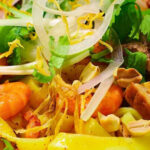
- Green papaya salad with shrimp (Menu 1)
- Green mango salad with shrimp (Menu 2)
- Vegetarian replaces with mango salad or papaya salad
These dishes are where you learn Vietnamese flavor balance. Sour fruit, savory seafood (or vegetarian alternatives), and herbs all have to work together. The guide’s instruction helps you avoid the common mistake of making the salad either too sour to eat or too flat to matter.
Herbal tea and dessert: finishing the meal the Vietnamese way
The experience doesn’t treat tea like an afterthought. You get herbal tea made with organic ingredients, plus water and dessert included as part of the overall flow.
This is more than a sweet finish. Tea helps reset your palate after cooking flavors that are sometimes salty, sometimes tangy, and often herb-heavy. If you’re the type who likes to taste, then cook, then compare, herbal tea is a nice moment to do that.
Farming, market, cooking: how the timing options really affect your day
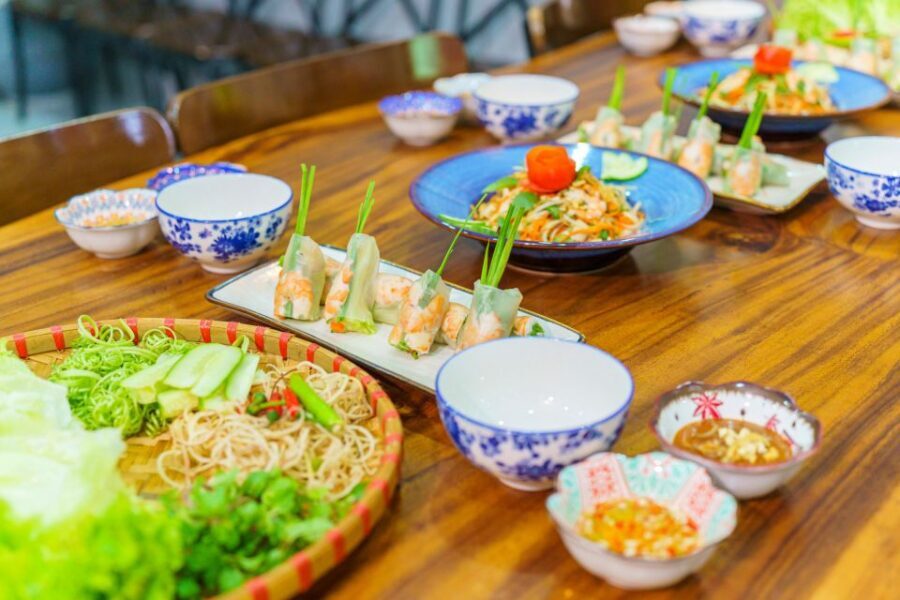
This experience runs between 150 and 270 minutes, and you can choose how much of the full arc you want.
The short cooking-only option (about 2.5 hours)
If your schedule is tight, the shorter format focuses on cooking only. That’s the best choice if:
- you already planned a market walk on your own
- you want hands-on cooking without extra time on the farm
- you’re pairing the class with other Da Nang activities the same day
The full experience (about 4 hours)
The full option includes farming, market tour, and cooking class. This is the most satisfying route because the ingredients connect to the process. You see where food comes from, then you shop, then you cook.
It’s also ideal if you want a more complete cultural food morning or afternoon rather than a single cooking session.
Optional coffee making workshop (1.5 hours)
If you want extra food culture, you can add a coffee making workshop for an additional 1.5 hours. It’s a good way to extend the experience without feeling like you’re stretching across the whole city.
Group size, guide energy, and how personal it feels
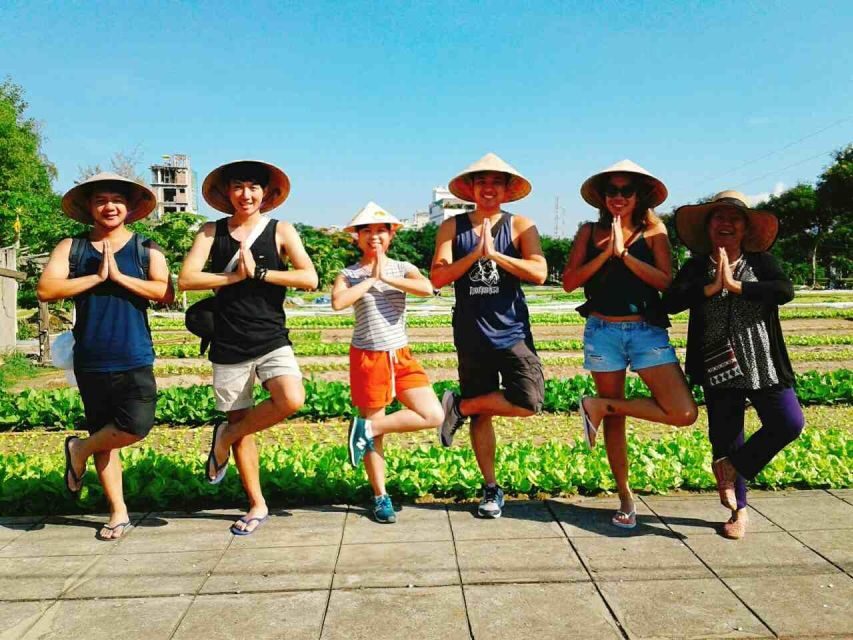
Small groups are a big deal for a cooking class. This one caps at 14 people, which usually means you get more direct attention when you’re chopping, wrapping, frying, or trying to nail timing at the stove.
The tone tends to be friendly and a bit playful. In past experiences, guides named Jane (and others, including Nhi) have been praised for being funny, warm, and for making sure people learned a lot rather than just getting fed.
If you like learning with interaction, this format fits. If you prefer quiet instruction with minimal chatting, you can still focus on the steps—you just shouldn’t expect it to be silent.
Price and value: is $25 a good deal?
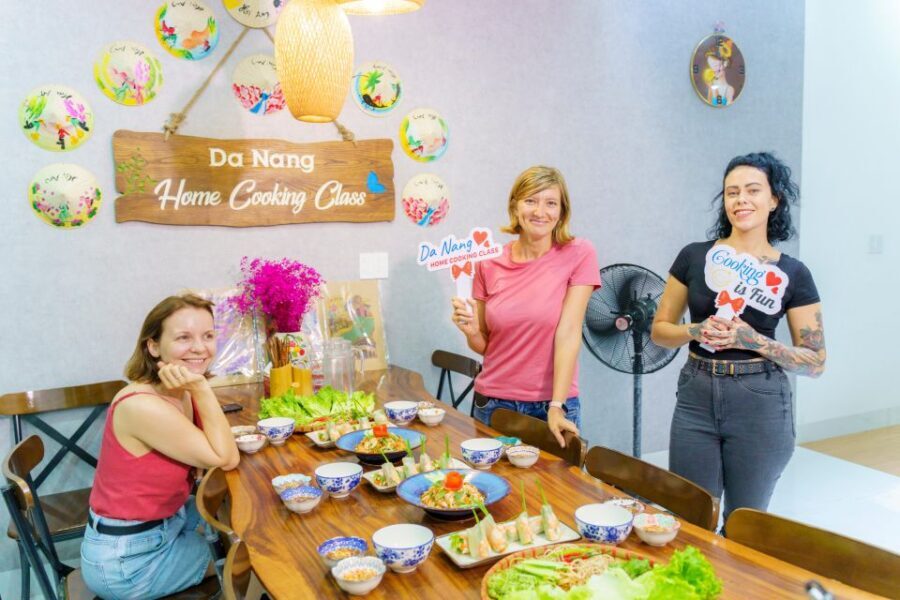
At $25 per person, this class is priced like a serious bargain for what you get: a farm visit, market tour, ingredient guidance, cooking instruction for four dishes, plus herbal tea and dessert, and recipe copies in English.
What makes the value feel real is that you don’t just taste. You cook. You also get the structure that most visitors struggle to recreate on their own: knowing which ingredients to buy, what techniques matter, and how the dishes should look and taste.
It’s not the cheapest thing in town, but it’s also not priced like a luxury cooking workshop. For the money, it’s a strong trade: you leave with food skills you can actually use at home, not just a photo of a finished plate.
Who should book this Da Nang cooking experience
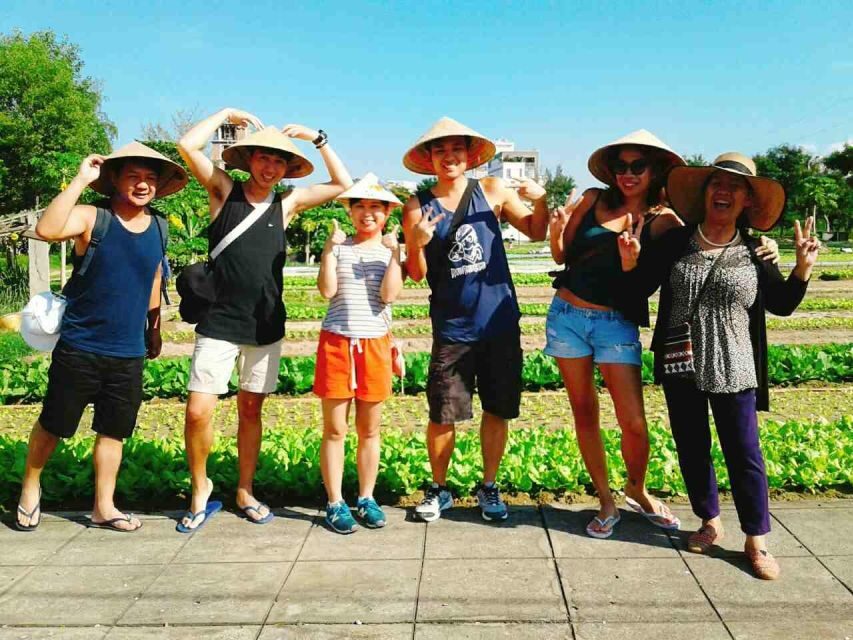
This class is a good match if you:
- want a hands-on cooking lesson with real guidance
- enjoy markets and want to learn ingredients instead of just browsing
- like the idea of food that starts on a farm
- are traveling solo, as a couple, or with friends
It can also work well for families with kids, since the class is designed to be engaging and time-balanced, with enough structure that everyone knows what to do next.
If you hate kitchens, don’t want to cook at all, or only care about eating restaurant food, you might be happier with a pure meal-focused tour instead.
Should you book: my practical recommendation
If you want a cooking class that actually teaches you how Vietnamese dishes come together, I’d book this. The best part is the flow: farm to market to stove, with enough group attention to keep you active at each step.
Book the full 4-hour option if you like context and want the ingredient story tied together. Choose the 2.5-hour cooking-only format if you’re short on time but still want real hands-on learning.
One last practical note: plan your transport to the start point since hotel pickup and drop-off aren’t included. Do that, and you’ll show up ready to cook instead of scrambling.
FAQ
How long is Da Nang Cooking: Market tour, farming, and cooking class?
The experience runs 150 to 270 minutes depending on the option you choose.
What dishes will I cook?
You will learn to cook 4 traditional dishes, selected from the day’s menu (Menu 1, Menu 2, or the vegetarian option).
Is there a vegetarian menu?
Yes. A vegetarian option is available, with dishes such as eggplant stir fry and vegetarian-friendly spring rolls.
Does the full experience include farming and a market tour?
Yes. The full 4-hour experience includes farming, a market tour, and a cooking class.
Can I take a shorter cooking class?
Yes. You can choose a cooking-only class of about 2.5 hours.
What language is the class taught in?
The guide/instructor speaks English.
Is hotel pickup and drop-off included?
No. Pick up and drop off at your hotel is not included.
How many people are in the class?
The group size is 14, which helps keep the class personal.
Can I add a coffee making workshop?
Yes. You can add a coffee making workshop for about 1.5 hours.
—
If you tell me your travel dates (and whether you prefer Pho or Quang noodle), I can help you pick the best menu day for your tastes.