REVIEW · COFFEE EXPERIENCES
Da Nang Coffee Making and Vietnamese Home Cooking Class
Book on Viator →Operated by Jolie Danang Cooking Class · Bookable on Viator
A great meal starts with the right brew. This Da Nang class pairs hands-on Vietnamese coffee with home-style cooking in a warm, family setting. You get more than recipes; you learn how daily Vietnamese routines turn into food you can taste.
I also like how the hosts explain things clearly, including coffee history and different coffee styles, with guides like Rosie (with partner Nhan) and teacher Hanna showing up in the mix. One watch-out: there’s no pickup or drop-off, so you’ll need to get yourself to the meeting point at 14 An Trung Đông 6, An Hải Bắc.
In This Review
- Key Things to Know Before You Go
- Why Da Nang Coffee and Home Cooking Feels Like Real Life
- Meeting at 14 An Trung Đông 6: Timing and Getting There
- Your Coffee Lesson: Hands-On Brewing and Four Styles
- Cooking Like a Local: Step-by-Step Home-Style Dishes
- What You Actually Eat: Enjoying the Meal You Made
- The People Factor: Friendly Hosts and Clear Teaching
- Price and Value: Is $60 Worth It in Da Nang?
- Practical Tips So You Get Better Results
- Who Should Book This Class (And Who Might Not)
- Should You Book Da Nang Coffee Making and Vietnamese Home Cooking?
- FAQ
- How long is the Da Nang Coffee Making and Vietnamese Home Cooking class?
- What’s the group size limit?
- Where do I meet for the class?
- Is pickup and drop-off included?
- What’s included in the price?
- Do I need to bring anything?
- What is the cancellation policy?
Key Things to Know Before You Go
- Small-group feel (max 12), so you can ask questions while you cook.
- Hands-on Vietnamese coffee first, not just a demo.
- Four coffee styles are part of the coffee session, so you get real practice.
- Family-style pacing, with step-by-step help while you cook.
- You eat what you make, sitting down together at the end.
- Mobile ticket makes it easy to show up on time.
Why Da Nang Coffee and Home Cooking Feels Like Real Life
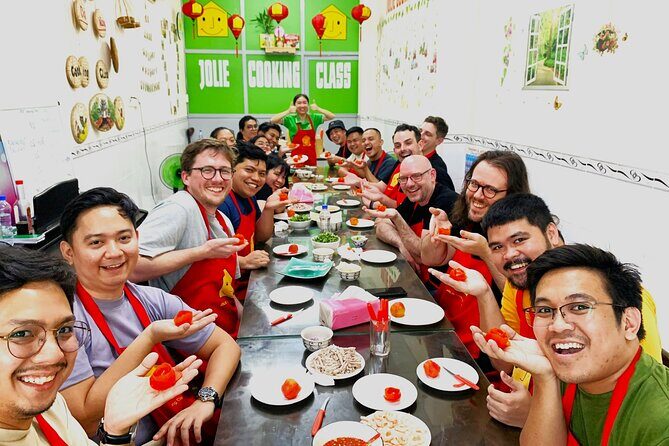
Da Nang has no shortage of restaurants, but this kind of class gives you something different: the kitchen rhythm behind the food. You start with coffee, then move into cooking, then you sit down with the meal you helped make. That flow matters because it turns a food lesson into a lived-in experience.
Vietnamese coffee is its own world, especially with the way it’s brewed and served. In this class, you don’t just taste—you learn the process. If you care about details like grind, brew strength, or how different styles change the cup, you’ll like the structure.
I also like that the mood stays friendly. The setting is described as family-like, and it shows in how people talk, work, and learn together. It’s the kind of place where learning feels natural, not forced.
You can also read our reviews of more cooking classes in Da Nang
Meeting at 14 An Trung Đông 6: Timing and Getting There
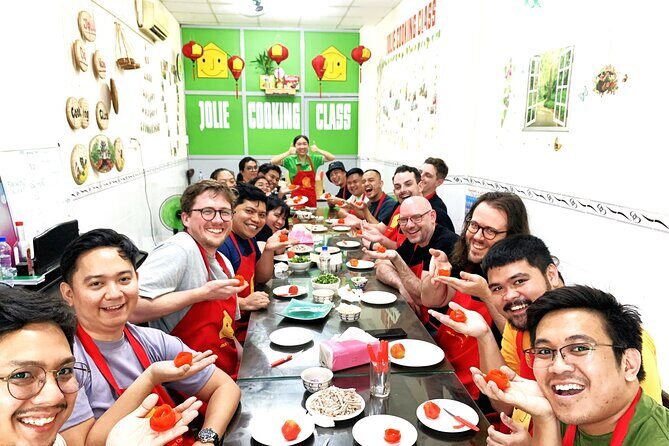
This experience starts at 14 An Trung Đông 6, An Hải Bắc, Sơn Trà, Đà Nẵng 55000, Vietnam, and ends back at the same meeting point. The duration is about 4 hours, so plan to keep your schedule open before and after.
There’s no pickup or drop-off included, but the class is listed as near public transportation. That’s a practical combo: you get local access without needing a private car. If you’re staying somewhere central, you’ll probably find a workable route by bus, taxi, or rideshare.
Bring comfortable shoes. You’ll be standing and cooking, and kitchens aren’t usually set up like polished showrooms. If you’re sensitive to smells from coffee and cooking ingredients, you might still want to dress accordingly—this is a working kitchen.
Your Coffee Lesson: Hands-On Brewing and Four Styles
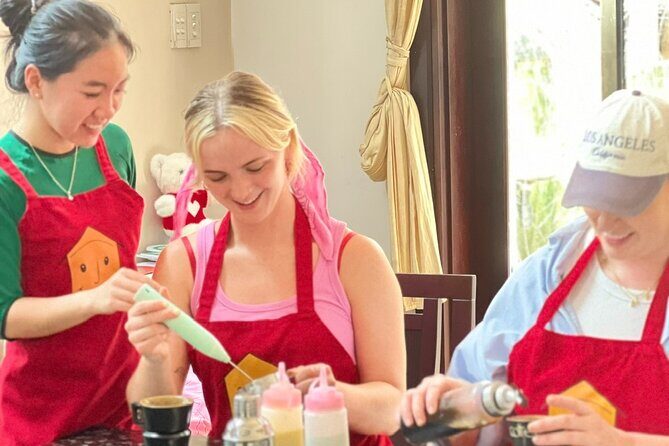
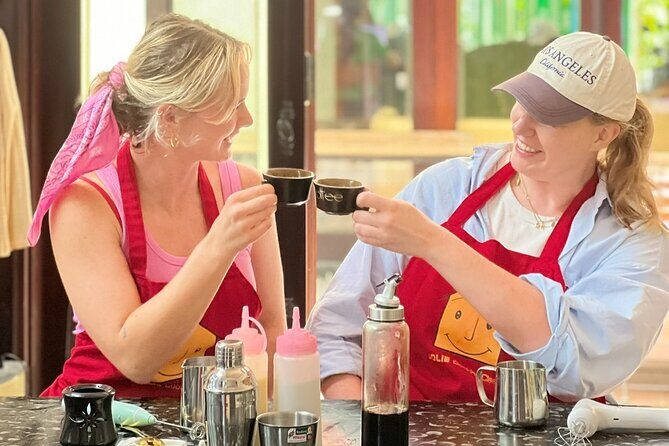
The coffee part is the headline here, and it starts right away. You’ll make Vietnamese coffee using the equipment and ingredients provided, with guidance from the host. The goal isn’t just to produce a drink—it’s to understand the why behind the method.
One thing that stands out from the experience descriptions is the variety. You make four different types of coffee during the session. That’s a big deal because it keeps you from feeling like you’re repeating the same steps over and over. Instead, you learn how small changes can create noticeably different results.
You’ll also get explanation as you go. In the experience accounts, hosts talk through coffee history and the different types. Rosie and partner Nhan are specifically mentioned for great English and clear guidance, so if you’re worried about understanding, you’re in good hands when English support is strong.
If you’re new to coffee, don’t worry. The class is built for beginners as much as it is for enthusiasts. One person even described the experience as learning barista-level skills in about two hours—meaning the pace is practical and the practice is hands-on.
Cooking Like a Local: Step-by-Step Home-Style Dishes
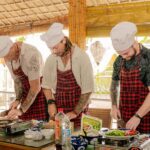
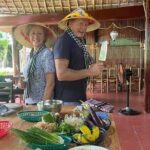
After coffee, you shift from brewing to cooking. This is a hands-on Vietnamese home cooking class, meaning you work on the dishes instead of watching someone else do everything. The host guides you step by step, and you use the cooking equipment provided.
The exact recipes can vary depending on how the class runs that day, but the promise is consistent: you’ll cook traditional home-style Vietnamese food. That wording matters. It’s not trying to impress with fancy plating. It’s about flavors that make sense for everyday meals in Vietnam.
Because the class is small (max 12), it’s easier to keep the teaching personal. If you get stuck—chopping, timing, heat control, or seasoning—you’re more likely to get immediate help. That’s also where the family atmosphere shows. People are working together rather than rushing through stations like a conveyor belt.
You should expect a hands-on rhythm: prep, cook, adjust, then taste as you go. If you like cooking, you’ll get a lot out of that. If you’re not a confident cook, you still benefit because the host’s job is to keep you moving and correct mistakes early.
What You Actually Eat: Enjoying the Meal You Made
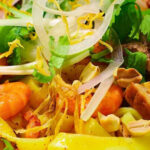
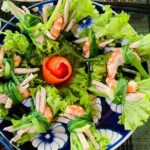
The best part of many cooking classes is often the meal, and this one is built around it. After cooking, you sit down and enjoy what you prepared together. That shared meal is part of why the experience feels social instead of clinical.
The food is described as delicious and traditional, and people repeatedly highlight the warm atmosphere. In other words, you’re not eating a tiny portion while standing up. You’re actually sharing a proper meal that you helped create.
If you’re the type who learns better by eating what you cooked, this format works well. You’ll understand the balance of flavors in a way that tasting something in a restaurant alone won’t teach. It also gives you a chance to compare notes with the group and ask questions while everyone is relaxed.
You can also read our reviews of more tours and experiences in Da Nang

The People Factor: Friendly Hosts and Clear Teaching
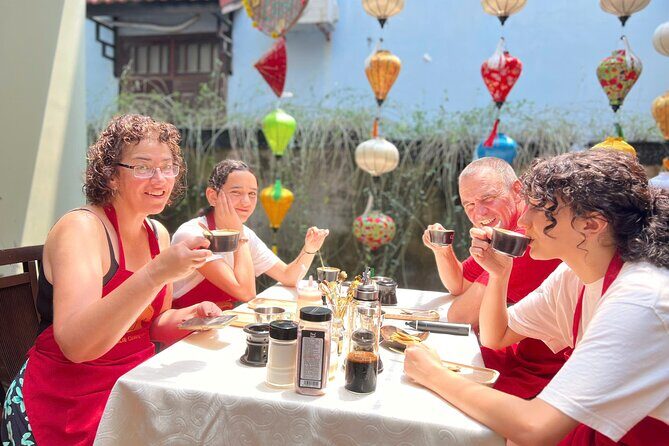
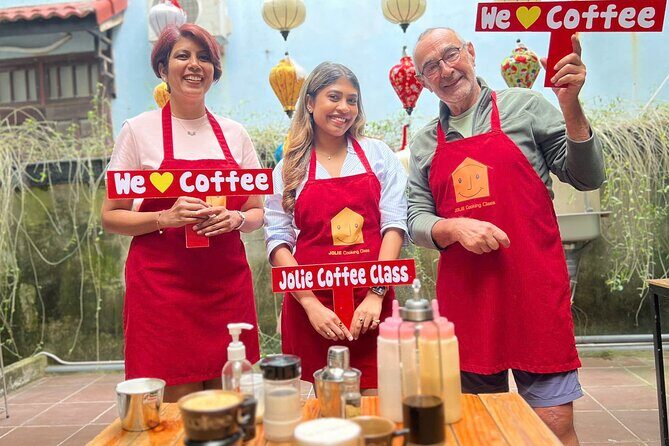
Food classes rise or fall on the host, and this one seems to focus hard on that. The experiences mention friendly hosts who are patient and conversational. Rosie is praised for being fun, friendly, and clearly explaining the activity, and Hanna is mentioned as kind and supportive.
Even the coffee coaching stands out. One person credits Rosie (and Nhan) for excellent English and a smooth explanation of coffee history and coffee types. Another mentions a no-dead-air flow, meaning the session stays active rather than dragging.
That matters because you’re spending several hours learning in a real kitchen. If the host keeps energy up and communication clear, your confidence grows fast. And when you feel confident, you cook better and enjoy the meal more.
Price and Value: Is $60 Worth It in Da Nang?

At $60 per person for about 4 hours, this class sits in the mid-range for guided food experiences. The value comes from what’s included: coffee making, home cooking, all ingredients and cooking equipment, plus the coffee and meal you prepare.
So you’re not paying just for instruction. You’re paying for a full kitchen session that ends with you eating the results. For many visitors, that’s a better deal than paying separately for a guided activity plus a meal you didn’t help make.
Two practical points help you judge value. First, the group size cap of 12 suggests you won’t feel lost or stuck waiting your turn forever. Second, since pickup and drop-off aren’t included, the “real cost” depends on how easy it is for you to reach the meeting point.
If you’re already near public transportation and you’re comfortable making your own way there, you’re likely to feel good about the price. If you need door-to-door convenience, you may want to budget extra for a taxi.
Practical Tips So You Get Better Results
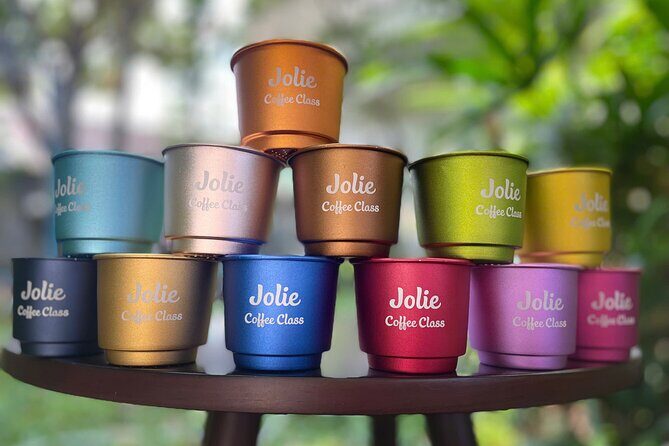
Here’s how to make the most of a 4-hour class like this, based on how these sessions typically run and what’s emphasized in the experience style.
- Arrive a few minutes early. Coffee is first, and the whole session depends on starting smoothly.
- Wear clothes you don’t mind getting coffee or cooking smells on. Kitchens do that.
- Ask questions while you cook. The class works best when you’re actively participating.
- If you’re a coffee fan, watch how the host explains differences across the four styles. That’s the knowledge you’ll reuse later when you try to recreate it at home.
- Eat at the end without rushing. The meal is part of the learning loop, and you’ll get more out of it while everything is fresh.
If you’re traveling with a friend, this kind of class is ideal because you can compare notes while you cook and then share the meal. Solo travelers also do fine here since the group stays small and the host tends to keep the conversation moving.
Who Should Book This Class (And Who Might Not)
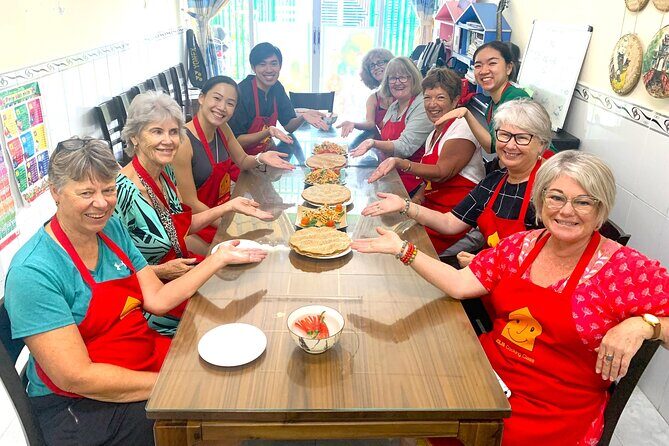
This is a strong choice if you want:
- hands-on cooking instead of a passive tour
- a guided introduction to Vietnamese coffee culture
- a small-group experience where you can actually talk and learn
You might choose something else if you’re looking for high-end restaurant service or a strict sightseeing schedule. This isn’t about seeing famous monuments. It’s about learning food skills and tasting real daily life in Da Nang through the kitchen.
If your schedule allows only one food-focused activity, this one is efficient because it combines coffee and cooking and ends with a shared meal. If you already planned to eat a lot on your trip, this still works because it gives you a skill and a story, not just calories.
Should You Book Da Nang Coffee Making and Vietnamese Home Cooking?
Yes—if you care about coffee and you want an authentic, hands-on experience in a small group, this class is a solid pick. The biggest selling points are the coffee session with real practice, the step-by-step home cooking, and the fact that you sit down to eat what you made.
Your decision mainly depends on logistics. Since there’s no pickup or drop-off, make sure the meeting point works for your plan. If you’re already comfortable navigating Da Nang on your own or near public transportation, you’ll likely find this $60 class a fair value.
FAQ
How long is the Da Nang Coffee Making and Vietnamese Home Cooking class?
It’s about 4 hours, approximately.
What’s the group size limit?
This activity has a maximum of 12 travelers.
Where do I meet for the class?
The meeting point is 14 An Trung Đông 6, An Hải Bắc, Sơn Trà, Đà Nẵng 55000, Vietnam.
Is pickup and drop-off included?
No. Pick up & Drop off is not included.
What’s included in the price?
You get hands-on Vietnamese coffee making, the home-style cooking class, all ingredients and cooking equipment, and the coffee and meal you prepare. It’s also a small-group experience with a local host.
Do I need to bring anything?
The class provides ingredients and cooking equipment, and you’ll prepare and enjoy the coffee and meal. The only practical need is to get yourself to the meeting point.
What is the cancellation policy?
Free cancellation is available up to 24 hours in advance for a full refund. If you cancel less than 24 hours before the start time, the amount you paid will not be refunded.